
No-code and AI-driven platforms are rewriting the rules for enterprise innovation. In 2026, companies of all sizes can build smarter, faster, and more scalable solutions than ever before.
The world of enterprise-grade internal tool builders is booming, helping organizations automate processes and adapt quickly to change.
In this article, you’ll discover seven essential enterprise-grade internal tool builders that are shaping the future. We’ll explore their features, benefits, pricing, and ideal use cases to help you make the best choice for your business.
Get ready to unlock new levels of efficiency and transform how your teams work.
Why Enterprises Need Advanced Internal Tool Builders in 2026
The modern enterprise is facing a tidal wave of operational complexity. As organizations grow, they need tools that are both powerful and flexible to keep up with shifting demands. Enterprise-grade internal tool builders have become mission-critical, allowing teams to design and deploy custom solutions that fit unique business needs—quickly and securely.
Growing Complexity of Enterprise Operations
Enterprise operations have never been more intricate. Departments now require tailored workflows and automation that go beyond off-the-shelf software. Regulatory changes, market shifts, and industry-specific requirements force organizations to adapt rapidly.
For example, finance and healthcare enterprises must visualize compliance data, track processes, and respond to new rules fast. Enterprise-grade internal tool builders give these organizations the agility to create dashboards, automate reporting, and keep pace with evolving needs.
The Evolution of No-Code and Low-Code Platforms
Traditional development cycles are often too slow and costly for today’s enterprise demands. No-code and low-code platforms have stepped in, enabling faster app delivery and empowering business units to solve their own challenges. According to Gartner forecasts 70% of new enterprise applications will use low-code/no-code by 2026, this shift is accelerating rapidly.
By adopting enterprise-grade internal tool builders, IT departments reduce bottlenecks, while business teams gain control over their processes. This evolution means organizations can move from idea to execution in record time.
Security, Compliance, and Scalability Requirements
Security and compliance are non-negotiable for enterprises. Enterprise-grade internal tool builders offer features like single sign-on, role-based access control, and comprehensive audit trails. These capabilities help organizations meet strict standards such as GDPR, HIPAA, and SOC 2.
Scalability is equally crucial. As user bases and data volumes grow, these platforms ensure seamless performance, providing a foundation for secure, compliant, and resilient operations.
Integration with Existing Enterprise Systems
Enterprises rarely operate in silos. Success depends on integrating new tools with existing systems like ERPs, CRMs, and legacy databases. Enterprise-grade internal tool builders excel at seamless connectivity, offering pre-built connectors and robust API support.
Whether integrating Salesforce, SAP, or a custom backend, these platforms reduce friction and help organizations unlock more value from their technology stack.
Empowering Non-Technical Teams
One of the biggest game changers is empowering non-technical staff to create and iterate on internal solutions. Enterprise-grade internal tool builders democratize development, letting business users build tools without waiting on IT.
This shift reduces bottlenecks, speeds up innovation, and allows those closest to the problem to design the best solutions.
Cost and Time Efficiency
Time and budget pressures are constant in large organizations. Enterprise-grade internal tool builders slash development time and costs compared to traditional methods. Rapid prototyping and deployment mean internal tools reach users faster, supporting business goals with agility.
By reducing reliance on expensive custom development, enterprises can allocate resources more strategically and respond to market changes with confidence.
Real-World Impact and Case Studies
The impact is tangible. Enterprises using enterprise-grade internal tool builders report up to 75% savings and five times faster delivery on internal projects. Leading banks and logistics companies have automated approval flows, digitized manual processes, and driven operational excellence.
These results highlight how the right platform can transform enterprise agility and efficiency, paving the way for future-ready operations.
7 Essential Enterprise-Grade Internal Tool Builders in 2026
Enterprises in 2026 face a rapidly changing digital landscape. The right enterprise-grade internal tool builders can be the difference between leading and lagging. These platforms empower teams to create, automate, and optimize internal processes with unmatched speed and security. Let’s dive into seven standout solutions shaping the future of enterprise operations.
Big House Technologies
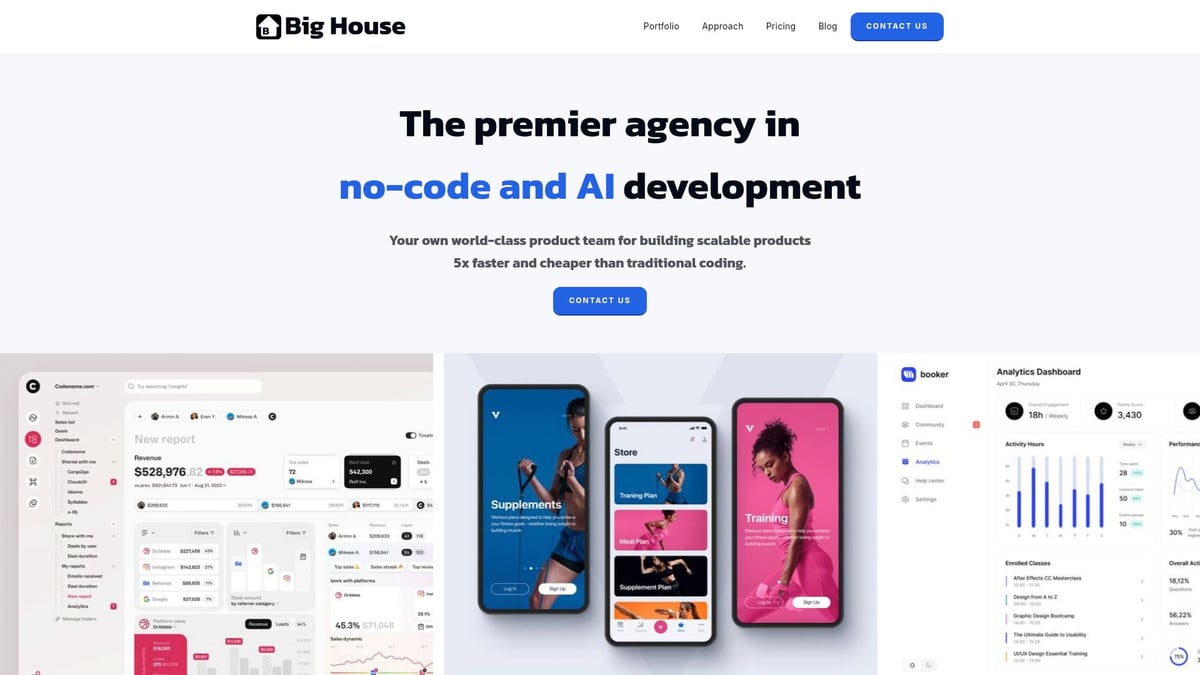
Big House Technologies stands out among enterprise-grade internal tool builders for its flexibility and speed. Its no-code and AI-driven approach lets enterprises build custom solutions without traditional development bottlenecks.
Pricing:
- Flexible plans: Basic, Growth, and custom Enterprise options.
Core Features:
- No-code/AI-powered development
- Advanced third-party integrations
- Robust UI/UX design
- End-to-end project lifecycle support
- Deep Bubble platform expertise
Key Benefits:
- Up to 5x faster project delivery
- Cost savings reaching 75% compared to custom dev
- High-quality QA processes
- Collaborative partnership approach
Target Audience:
- Enterprises, startups, business founders, and organizations needing scalable internal tool builders.
Ideal Use Cases:
- Custom dashboards
- Workflow automation
- MVPs and digitizing business operations
- Integrating AI into internal processes
Pros:
- Rapid deployment
- Significant cost efficiency
- Deep client engagement
Cons:
- Custom pricing requires consultation
- Focused on Bubble and Lovable platforms
Big House Technologies is a top choice for enterprises seeking enterprise-grade internal tool builders that combine speed, flexibility, and deep partnership.
Retool
Retool is a leader in the enterprise-grade internal tool builders market, known for its robust security and extensive integration capabilities.

Pricing:
- Free tier
- Team: $10/user/month
- Business: $50/user/month
- Enterprise: Custom
Core Features:
- Drag-and-drop app builder
- 50+ pre-built integrations (databases, APIs, SaaS)
- Granular permissions and audit logs
- On-premises deployment options
Key Benefits:
- Rapid prototyping of internal tools
- Broad data source support
- Secure, compliant deployment
- Customizable UI for tailored workflows
Target Audience:
- Enterprises, IT teams, and developers seeking scalable internal tool builders.
Ideal Use Cases:
- Admin panels
- Data dashboards
- Workflow automation
- Approval systems
Pros:
- Enterprise-grade security and compliance
- Large and active user community
- Powerful integration support
Cons:
- Steep learning curve for advanced features
- Costs increase as user base grows
Retool empowers organizations to build enterprise-grade internal tool builders that scale with business needs, offering both security and flexibility.
Appsmith
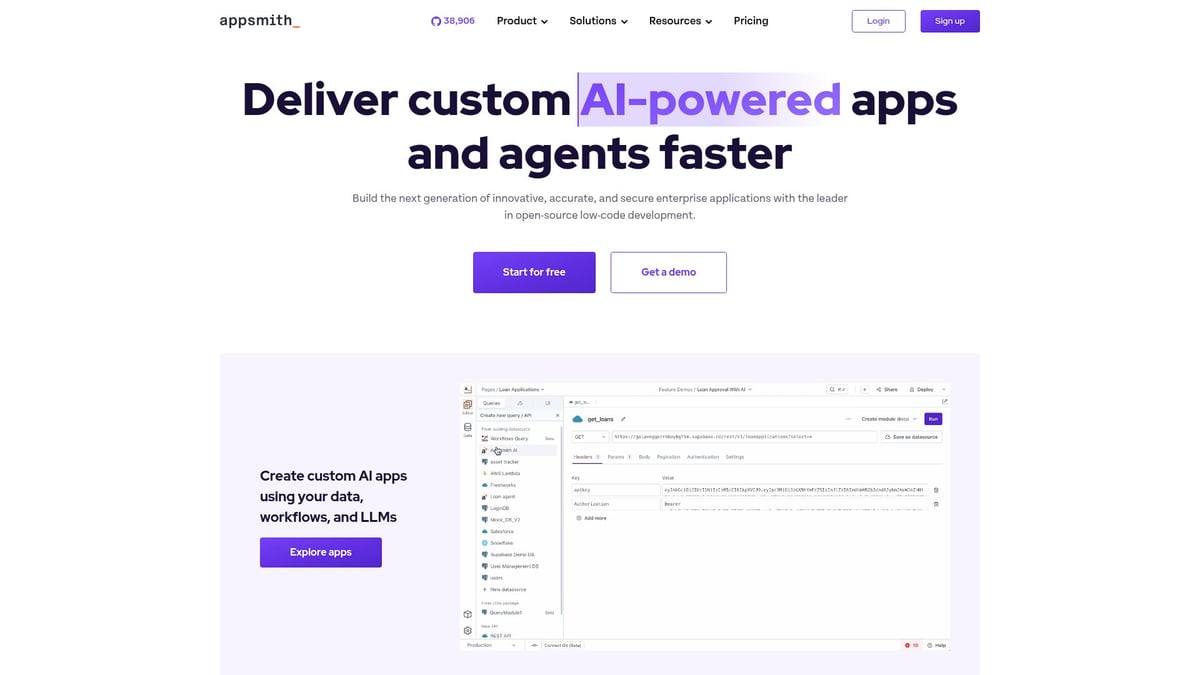
Appsmith is a standout among open-source enterprise-grade internal tool builders, offering flexibility and cost savings for development teams.
Pricing:
- Community: Free
- Business: $20/user/month
- Enterprise: Custom
Core Features:
- Open-source architecture
- Drag-and-drop UI builder
- REST, GraphQL, and SQL integrations
- Role-based access control (RBAC)
- Version control and self-hosting options
Key Benefits:
- No vendor lock-in
- Extensive customization
- Cost-effective for scaling teams
- Active developer community
Target Audience:
- Enterprises and engineering teams wanting open-source extensibility in their internal tool builders.
Ideal Use Cases:
- Custom admin panels
- Internal dashboards
- Database management tools
Pros:
- Flexibility to deploy anywhere
- Strong open-source support
- Highly customizable widgets
Cons:
- Self-hosting required for full data control
- UI may be less polished than some competitors
Appsmith is ideal for enterprises that prioritize transparency, control, and the long-term flexibility of their enterprise-grade internal tool builders.
Microsoft Power Apps
Microsoft Power Apps is a powerhouse in the world of enterprise-grade internal tool builders, especially for organizations already invested in the Microsoft ecosystem.
Pricing:
- Per app: $5/user/app/month
- Per user: $20/user/month
- Custom enterprise pricing available
Core Features:
- Low-code development
- Seamless Microsoft 365 and Dataverse integration
- AI Builder for intelligent automation
- 400+ data source connectors
Key Benefits:
- Deep integration with Microsoft products
- Enterprise scalability and strong governance
- Extensive security and compliance controls
Target Audience:
- Large enterprises and organizations using Microsoft tools
Ideal Use Cases:
- Business process automation
- Data entry and approval workflows
- Custom business apps
Pros:
- Enterprise-ready with robust compliance
- Scalable for large teams
- Comprehensive support resources
Cons:
- Best suited for Microsoft-centric environments
- Customization can be complex for unique requirements
Microsoft Power Apps is a go-to for enterprises seeking enterprise-grade internal tool builders with seamless Microsoft integration and enterprise-class features.
OutSystems
OutSystems is recognized globally as a leader in enterprise-grade internal tool builders, delivering advanced workflow automation and high scalability.
Pricing:
- Free edition
- Standard: from $1510/month
- Enterprise: Custom
Core Features:
- Full-stack low-code development
- AI-assisted app creation
- Advanced workflow automation
- Scalable cloud and on-premises deployment
Key Benefits:
- Rapid delivery of mission-critical apps
- Powerful integration capabilities
- Built-in compliance and security
Target Audience:
- Large enterprises, regulated industries, IT leaders
Ideal Use Cases:
- Modernizing legacy systems
- Automating complex processes
- Building scalable internal tools
Pros:
- Enterprise-grade scalability and support
- Robust security features
- Recognized market leader (Gartner's 2024 Magic Quadrant for Enterprise Low-Code Application Platforms)
Cons:
- Higher price point for advanced features
- Steeper learning curve for new users
OutSystems is a top choice for enterprises needing comprehensive enterprise-grade internal tool builders that deliver on security, compliance, and rapid innovation.
Internal.io
Internal.io offers a user-friendly approach to enterprise-grade internal tool builders, focusing on fast deployment and strong governance.
Pricing:
- Starter: $5/user/month
- Business: $19/user/month
- Enterprise: Custom
Core Features:
- Point-and-click workflow builder
- Audit logs and granular permissions
- API and database integrations
Key Benefits:
- Rapid setup with minimal technical overhead
- Intuitive UI for business users
- Strong data security and auditability
Target Audience:
- Operations teams, business analysts, IT departments
Ideal Use Cases:
- Approval flows
- CRUD applications
- Internal dashboards
Pros:
- Highly intuitive interface
- Quick deployment for enterprise needs
- Strong governance features
Cons:
- Limited advanced customization options
- Newer ecosystem with smaller community
Internal.io is a smart pick for organizations looking for enterprise-grade internal tool builders that are easy to adopt and scale.
Jet Admin
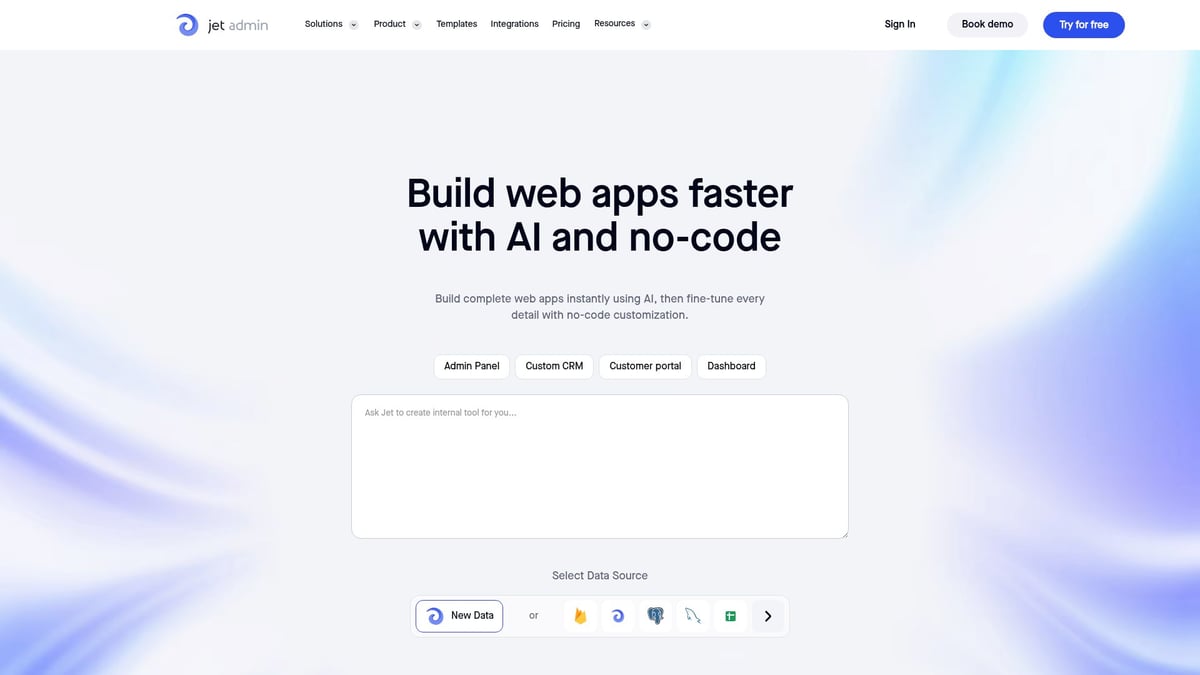
Jet Admin brings flexibility and extensive integrations to the enterprise-grade internal tool builders landscape, serving both SMBs and large organizations.
Pricing:
- Free (limited)
- Team: $24/user/month
- Business: $48/user/month
- Enterprise: Custom
Core Features:
- Visual app builder
- 50+ data connectors
- Role-based access control
- White-labeling and workflow automation
Key Benefits:
- Highly customizable UI
- Fast integration with popular databases and SaaS tools
- White-label options for branding
Target Audience:
- SMBs to enterprises, product and operations teams
Ideal Use Cases:
- Admin panels
- Partner and customer portals
- Support tools
Pros:
- Flexible interface for varied needs
- Robust integration options
- Quick time-to-value
Cons:
- Premium features require higher-tier plans
- Smaller community compared to some peers
Jet Admin is a versatile solution for enterprises seeking enterprise-grade internal tool builders that adapt to diverse operational needs and scale with business growth.
Key Features to Consider When Choosing an Internal Tool Builder
Selecting the right enterprise-grade internal tool builders is critical for ensuring your organization’s digital transformation is secure, scalable, and future-proof. With so many options available, it’s essential to evaluate platforms based on the criteria that matter most to enterprise operations.
Security and Compliance
Security is non-negotiable for enterprise-grade internal tool builders. Features like Single Sign-On, role-based access control, and audit trails help protect sensitive data. Compliance with standards such as SOC 2, GDPR, and HIPAA is essential, especially for industries like healthcare and finance. When evaluating platforms, review how each handles data encryption, user permissions, and regulatory requirements.
Integration Capabilities
Seamless integration is a hallmark of effective enterprise-grade internal tool builders. Your chosen platform should connect effortlessly with databases, APIs, and SaaS tools like Salesforce or SAP. Consider platforms that offer pre-built connectors and custom API support for maximum flexibility. Compare integration offerings with a quick reference table:
| Platform | Database Support | API Integration | SaaS Connectors |
|---|---|---|---|
| Retool | Yes | Yes | 50+ |
| Power Apps | Yes | Yes | 400+ |
| Appsmith | Yes | Yes | Limited |
A robust integration ecosystem ensures your tools work harmoniously within your existing tech stack.
Scalability and Performance
Enterprise demands can grow fast. Look for enterprise-grade internal tool builders that scale with your organization. The platform should handle thousands of users and large datasets without sacrificing speed or reliability. Real-world case studies often show companies scaling from small pilots to organization-wide deployments, highlighting the importance of performance under load.
Customization and Flexibility
Customization is vital for matching unique business processes. The best enterprise-grade internal tool builders balance drag-and-drop simplicity with extensibility, allowing for advanced logic and tailored interfaces. If you’re unsure which platform fits your needs, consult guides like Choosing no-code platforms for enterprise for expert tips on evaluating flexibility and fit.
Support, Community, and Documentation
Responsive support can be a lifesaver during critical deployments. Review the vendor’s documentation, onboarding resources, and the activity level of their user community. Platforms with active forums and regular updates are more likely to evolve with your needs. Consider these support factors:
- 24/7 enterprise support options
- Comprehensive documentation
- Engaged user communities
Pricing and Total Cost of Ownership
Pricing models vary significantly across enterprise-grade internal tool builders. Assess not only subscription fees but also hidden costs like onboarding, training, and ongoing maintenance. Some platforms charge per user, while others offer enterprise licensing. Calculating the total cost of ownership upfront helps prevent budget surprises down the road.
Vendor Reputation and Roadmap
A platform’s reputation and future direction matter. Check customer reviews, analyst reports, and the vendor’s product roadmap. Recognized leaders in the Gartner Magic Quadrant or with high G2 Crowd ratings typically offer greater stability and innovation. Transparent roadmaps signal an ongoing commitment to meeting enterprise needs.
Future Trends in Enterprise Internal Tool Development
The world of enterprise-grade internal tool builders is evolving rapidly, with new trends shaping how organizations approach development, automation, and collaboration. As we look to the future, several key shifts will define how enterprises innovate and adapt their internal solutions.
AI and Automation Integration
AI is becoming a core component of enterprise-grade internal tool builders, enabling smarter workflows and deeper data insights. Features like AI-powered approvals, automated data extraction, and predictive analytics are now standard.
Recent research, such as LLM4FaaS: No-Code Application Development using LLMs and FaaS, highlights how large language models are being integrated with no-code platforms, making automation more accessible to business users. As AI continues to advance, expect internal tools to drive even greater efficiency and innovation.
Expansion of No-Code/Low-Code Ecosystems
No-code and low-code ecosystems are rapidly expanding, offering more templates, marketplace add-ons, and third-party integrations than ever before. By 2026, it is expected that 80% of enterprises will use at least one no-code platform in their workflow.
Industry forecasts, like the Low-Code Development Technologies Market Forecast to Hit $44.5 Billion by 2026, reinforce the explosive growth of this sector. This trend ensures that enterprise-grade internal tool builders will keep evolving to meet rising demand.
Enhanced Collaboration and Real-Time Editing
Collaboration is now at the forefront of internal tool development. Enterprise-grade internal tool builders are introducing multi-user editing and live collaboration, enabling distributed teams to work together in real time.
These features boost productivity and reduce bottlenecks. Teams can co-develop solutions, quickly iterate on feedback, and ensure everyone is aligned, regardless of location.
Focus on User Experience and Accessibility
Modern enterprise-grade internal tool builders are prioritizing intuitive design and accessibility compliance. Tools are evolving to include built-in accessibility testing, making it easier for organizations to meet standards like WCAG.
This focus ensures that internal tools are not only powerful but also usable by everyone, supporting a diverse workforce and reducing friction in daily operations.
Vertical-Specific Solutions
Industry-tailored platforms are on the rise, with enterprise-grade internal tool builders offering pre-built modules for sectors like healthcare and finance. Solutions with built-in HIPAA compliance or industry-specific workflows are becoming more common.
These platforms help organizations launch compliant, efficient tools faster, reducing the need for custom development and lengthy audits.
Open Source and Community-Driven Innovation
Open-source adoption is accelerating among enterprise-grade internal tool builders. Community-driven platforms offer transparency, flexibility, and reduce vendor lock-in, which is increasingly important for long-term ROI.
This trend empowers enterprises to customize tools, contribute to their evolution, and benefit from a global community of developers and users.
Now that you’ve seen how enterprise grade internal tool builders are changing the game in 2026, you might be wondering how to put these insights into action for your own team. The good news is you don’t have to start from scratch or wrestle with complex code. With the right no code platform, you can streamline your workflows, empower your team, and see real results faster than you think. Curious about how no code tools can make a difference in your organization’s internal operations? Take the next step and Transform Your Internal Tools with No Code.

About Big House
Big House is committed to 1) developing robust internal tools for enterprises, and 2) crafting minimum viable products (MVPs) that help startups and entrepreneurs bring their visions to life.
If you'd like to explore how we can build technology for you, get in touch. We'd be excited to discuss what you have in mind.
Other Articles
Discover how to choose the best enterprise digital transformation partners for 2026 with expert insights, evaluation steps, and future-proof strategies for success.
Compare bubble developer vs webflow developer for 2026 Get insights on skills cost scalability and trends to choose the best no code talent for your project
Discover the best chat gpt apps for 2025 to boost productivity and creativity Compare features pricing and tips to find your ideal AI chat companion today