
In 2026, software making is fueling a new wave of innovation, powering everything from nimble startups to the world’s largest enterprises. The barriers to entry have never been lower, with powerful tools and platforms now within reach of anyone eager to create.
This guide gives you a complete, step-by-step roadmap for mastering software making, whether you’re just starting or looking to sharpen your skills. We’ll dig into the latest trends, essential tools, and proven methodologies shaping the future.
Discover how AI, no-code solutions, cloud-native development, and better team collaboration are redefining what’s possible. The explosive growth in software making brings new opportunities and challenges, and those who adapt will lead in business and innovation.
Ready to future-proof your approach? Dive in and uncover actionable insights for every stage of your software journey.
The 2026 Software Development Landscape
The landscape of software making in 2026 is vibrant, fast-evolving, and open to more people than ever. Modern teams are leveraging new paradigms, tools, and roles to deliver value at unprecedented speed. Let’s explore the trends, data, roles, challenges, and opportunities shaping how software is built today.
Key Trends Shaping Software Making
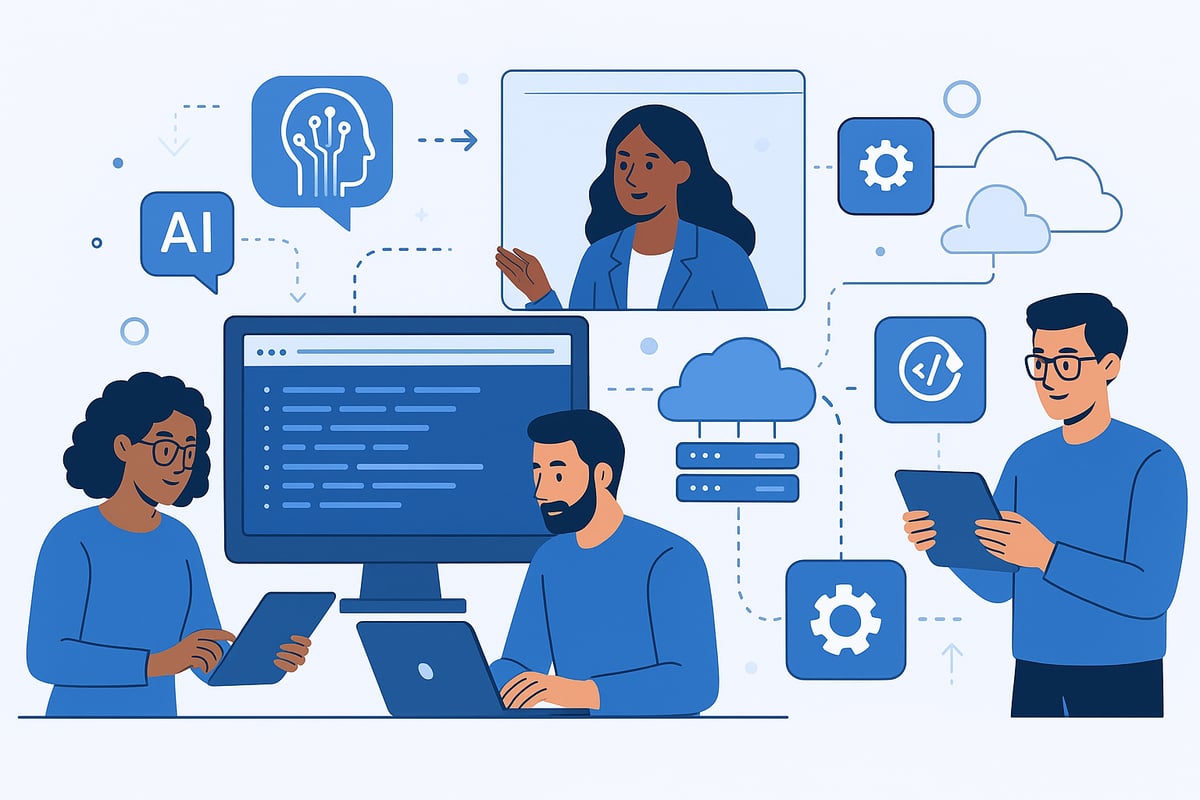
Software making in 2026 is defined by a surge in AI-assisted development tools and generative coding solutions. No-code and low-code platforms are empowering even non-developers to launch robust applications quickly, with platforms like No-code solutions for software development transforming accessibility. Cloud-native and serverless architectures are now standard, enabling teams to scale effortlessly. There’s a major push toward user-centric design, ensuring products are both accessible and enjoyable. Finally, remote and globally distributed teams have become the norm, fostering diversity and innovation in software making.
Market Data and Industry Growth
The global software making market is on an explosive growth trajectory. According to Statista, the industry is projected to reach a staggering $1 trillion by 2026. Gartner predicts that over 70% of new applications will be developed using low-code or no-code tools. Enterprises are embracing AI-driven code generation, with adoption rates hitting 60%. Here’s a quick summary:
| Metric | 2026 Projection |
|---|---|
| Market Size | $1 trillion |
| Low/No-Code Adoption | 70%+ |
| AI-Driven Tool Usage | 60% enterprises |
These stats highlight the central role of software making in the global economy.
New Roles and Skills in Demand
As software making evolves, new roles are emerging. There’s a sharp increase in demand for AI and machine learning developers, no-code specialists, and cloud architects. Teams are now more cross-functional, blending design, engineering, and business skills. Soft skills like communication, adaptability, and collaboration are just as crucial as technical expertise. Companies seek professionals who can bridge gaps and foster innovation. Whether you’re starting out or upskilling, focusing on these in-demand areas can open doors in software making.
Challenges Facing Modern Teams
Modern teams face a unique set of challenges in software making. They must keep up with rapid technological changes and an ever-growing ecosystem of tools. Security and compliance are top concerns, especially as environments become more complex. Managing distributed teams and asynchronous workflows requires new strategies and communication tools. Balancing speed, quality, and scalability is a daily juggling act. Navigating these hurdles is essential for sustained success in software making.
Opportunities for Innovators
The democratization of software making opens unprecedented opportunities for innovators. Non-traditional developers can now build impactful solutions, leveling the playing field. Startups and enterprises benefit from the ability to iterate and launch products faster, experimenting with new ideas at lower risk. The growing ecosystems of open source projects, plugins, and integrations encourage collaboration and customization. For anyone passionate about software making, the landscape has never been more fertile for creative breakthroughs.
Core Principles and Methodologies of Software Making
Mastering software making in 2026 means embracing a blend of proven methodologies, innovative practices, and a forward-thinking mindset. The core principles below form the foundation for building resilient, user-focused, and future-proof applications.
Agile, DevOps, and Beyond
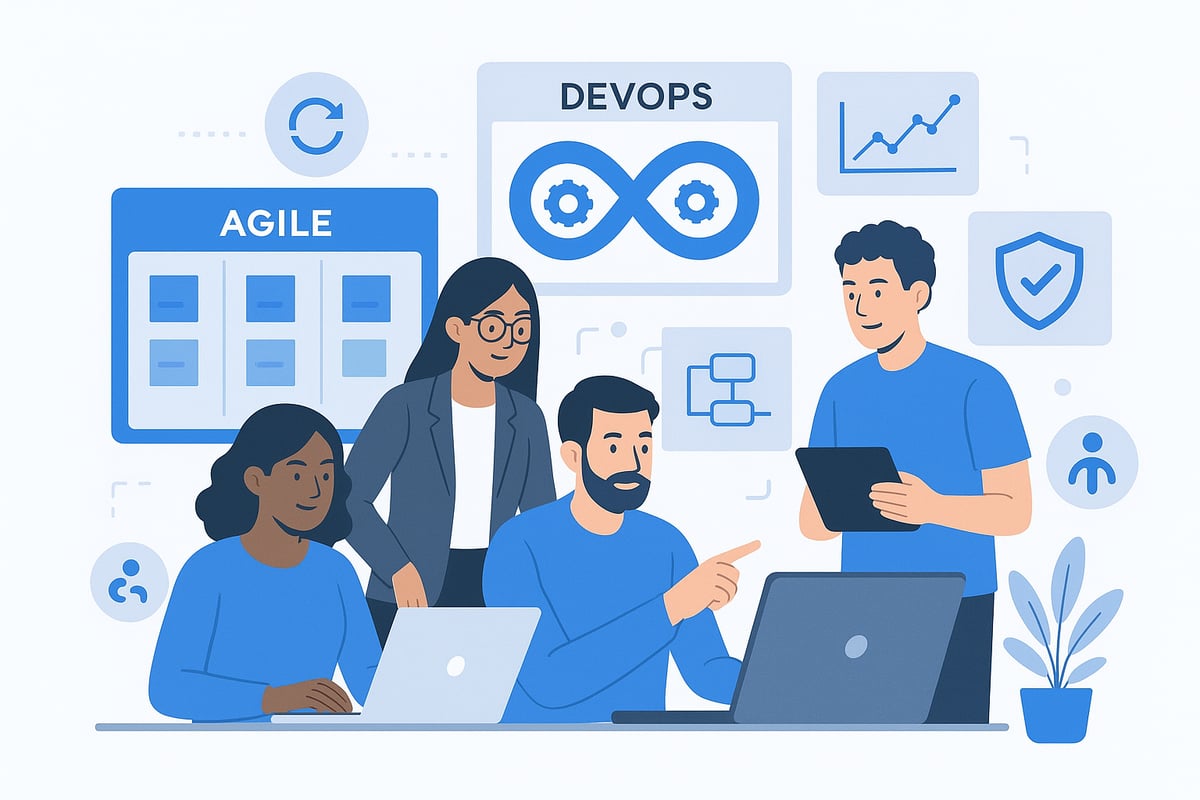
Agile continues to be the backbone of software making, yet in 2026, it is often combined with DevOps and Lean practices for optimal results. Teams prioritize rapid delivery, iterative feedback, and automation through continuous integration and continuous deployment (CI/CD).
This approach encourages adaptability and empowers teams to respond quickly to user needs. For a deeper dive into foundational principles, see this essential software development guide. By blending Agile and DevOps, software making becomes more collaborative, efficient, and aligned with business goals.
Evidence-Based Software Engineering
Modern software making relies on data-driven decision-making at every stage. Engineering teams use systematic reviews, empirical studies, and analytics to refine architecture, design, and testing strategies.
Metrics like user satisfaction, system performance, and return on investment guide continuous improvement. Evidence-based practices ensure that software making is not just about intuition but about measurable impact and learning from real-world outcomes.
User-Centered and Inclusive Design
User needs are at the heart of software making in 2026. Inclusive design and accessibility are built-in requirements, not afterthoughts. Teams conduct user research, create personas, and map user journeys to understand expectations.
UX and UI design are integrated from the start, ensuring digital products are intuitive and usable for everyone. By prioritizing inclusivity, software making delivers solutions that empower a wider audience and foster loyalty.
Security and Privacy by Design
Security is no longer an afterthought in software making. Teams employ zero-trust models, automated security testing, and privacy-first strategies from the initial design phase.
Automated compliance checks and secure coding standards help prevent vulnerabilities. Embedding security and privacy deep within the software making process reduces risks and builds trust with users and stakeholders.
Continuous Learning and Adaptation
In 2026, successful software making is rooted in a culture of continuous learning and adaptation. Teams regularly upskill in AI, cloud, and emerging technologies to stay ahead.
Retrospectives and post-mortems are used to identify improvements and adapt processes. By embracing change, software making teams ensure they remain innovative, resilient, and ready for future challenges.
Essential Tools and Platforms for 2026 Software Creation
Navigating the world of software making in 2026 means knowing which tools and platforms can help you build, test, and scale your ideas efficiently. The landscape is rich with innovation, making it easier than ever to bring software projects to life, whether you're coding from scratch or building with no-code solutions.
AI-Powered Development Tools
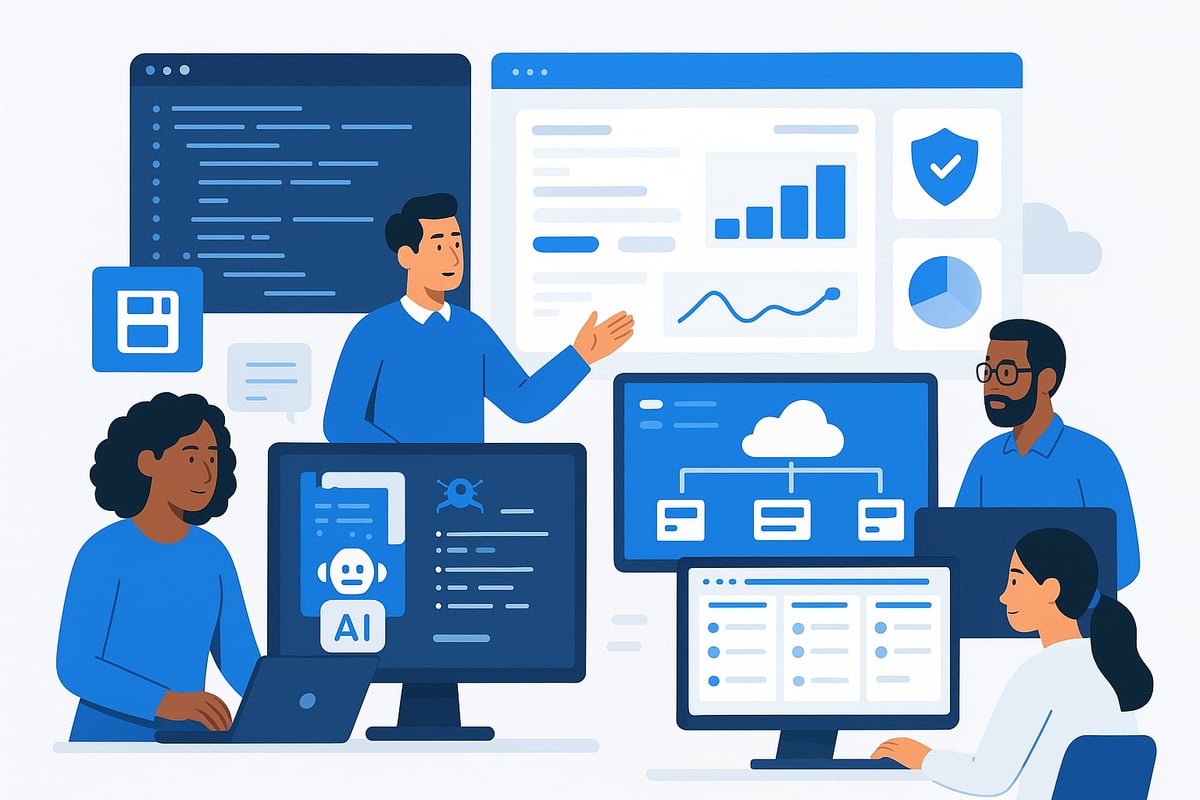
AI is transforming software making by automating repetitive tasks and accelerating development cycles. Leading AI code assistants like GitHub Copilot and Tabnine suggest code completions, generate boilerplate code, and even detect bugs in real time. These tools are now deeply integrated into IDEs, allowing developers to focus on creative problem-solving.
AI-driven platforms also offer automated code reviews, highlighting security vulnerabilities and optimizing performance. For a deeper dive into the latest advancements, explore AI tools for code generation to understand how these innovations are shaping the future of software making.
No-Code and Low-Code Platforms
No-code and low-code platforms are democratizing software making, empowering non-developers to create robust applications. Popular platforms like Bubble, OutSystems, Mendix, and Webflow enable rapid prototyping and quick deployment of MVPs, internal tools, and even full-scale products.
These platforms use visual interfaces, drag-and-drop components, and pre-built logic to streamline development. However, software making with no-code tools comes with scalability and customization limitations, so it’s vital to assess your project’s long-term needs before choosing a platform.
Cloud-Native and Serverless Architectures
Cloud-native and serverless technologies have become foundational for software making, offering flexibility and scalability. Major providers such as AWS, Azure, and Google Cloud support containers with Docker and Kubernetes, while Functions-as-a-Service allows teams to deploy code without managing infrastructure.
This approach to software making reduces operational overhead, improves cost efficiency, and enables rapid scaling. Edge computing is also gaining traction, making it easier to deliver responsive applications to users worldwide.
Collaboration and Project Management Tools
Effective collaboration is at the core of modern software making, especially with remote and distributed teams. Platforms like Jira, Asana, Linear, and Monday.com streamline project tracking and task management. Real-time documentation tools such as Notion and Confluence keep everyone aligned.
Async communication channels, including Slack, Microsoft Teams, and Loom, facilitate clear, uninterrupted workflows. These solutions help teams overcome time zone challenges and maintain productivity throughout the software making process.
Testing, QA, and Automation Suites
Quality assurance is essential in software making, and automation has revolutionized testing workflows. Leading frameworks like Cypress, Playwright, and Selenium support automated unit, integration, and end-to-end tests. Integrating these with CI pipelines ensures continuous feedback and quick bug resolution.
Shift-left testing, where testing starts early in development, is now standard practice. Test coverage analytics help teams monitor reliability and maintain high standards in software making, ensuring robust releases with minimal manual effort.
Security and Compliance Solutions
Security and compliance are non-negotiable in software making today. Automated vulnerability scanning tools such as Snyk and SonarQube proactively detect threats. Compliance management platforms help meet GDPR, CCPA, and SOC2 requirements, integrating checks directly into CI/CD workflows.
Role-based access control and detailed audit trails safeguard sensitive data and maintain accountability. These solutions are essential for building trust and ensuring the longevity of software making projects in a complex regulatory landscape.
The Modern Software Making Process: Step-by-Step
Embarking on the journey of software making in 2026 is more accessible and structured than ever. Teams and individuals alike can bring ideas to life by following a step-by-step process that combines creativity, technology, and collaboration. This section breaks down the modern software making process, guiding you from ideation to long-term maintenance.
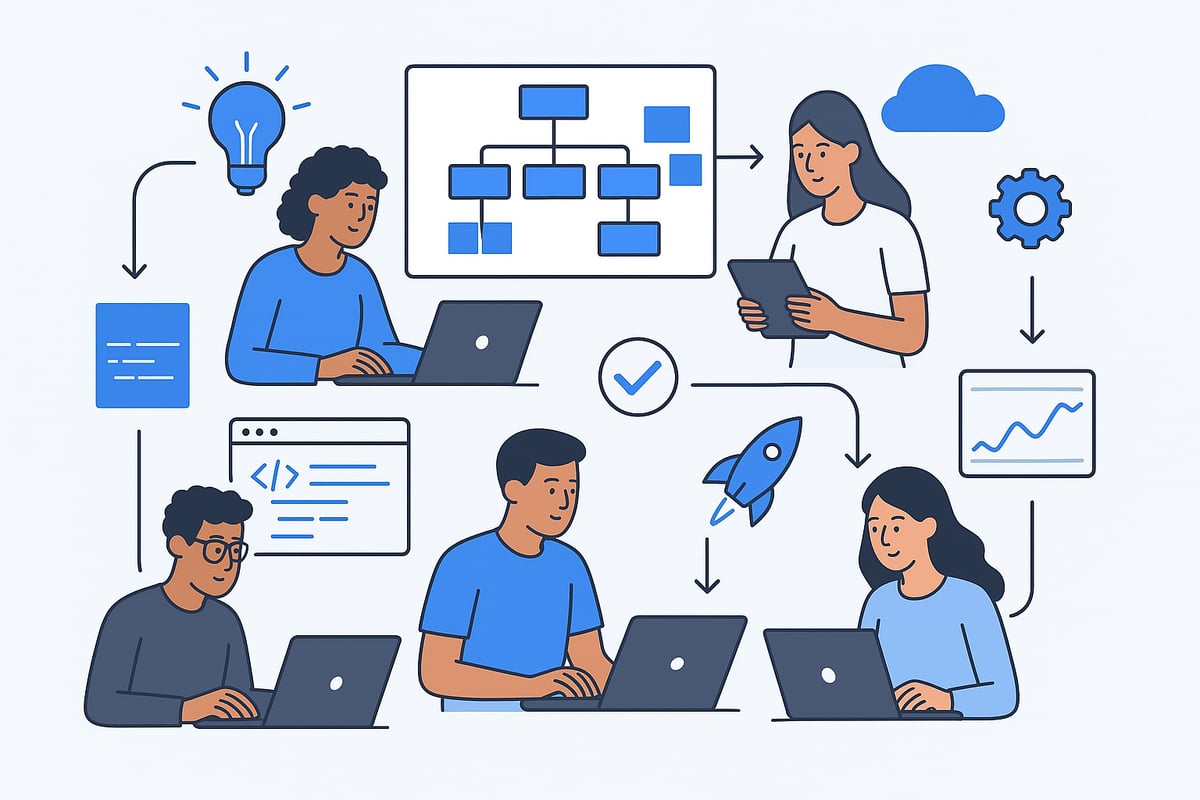
Ideation and Requirements Gathering
Every successful software making project starts with a strong foundation: understanding what needs to be built and why. In 2026, teams use design sprints, user interviews, and deep market analysis to uncover user needs and opportunities.
Defining the minimum viable product (MVP) is key. This helps focus on core features before expanding to the full product scope. Tools like Miro, Figma, and Productboard play a vital role in capturing ideas, mapping user journeys, and prioritizing requirements.
By investing time in this early phase, software making teams set clear goals and align everyone’s vision, reducing costly missteps later.
Architecture and System Design
With requirements in hand, the next step in software making is selecting the right architecture and system design. Teams evaluate tech stacks that fit their needs, from AI-powered solutions to no-code platforms and cloud-based infrastructures.
Designing for scalability and maintainability is essential. Wireframes, entity-relationship diagrams, and clear data flows help visualize how different components fit together. Collaboration across engineering, design, and product ensures nothing is overlooked.
This stage of software making lays the technical blueprint, empowering teams to build robust systems that can grow with user demand.
Development and Prototyping
Development and prototyping bring ideas to life. In modern software making, rapid prototyping tools, including no-code and low-code platforms, allow for quick iterations and early feedback.
Pair programming is common, often enhanced by AI assistants that suggest code and highlight errors. Best practices like version control (using Git and effective branching strategies) ensure code is organized and collaboration is smooth.
These advancements in software making enable teams to experiment, refine features, and deliver value faster without sacrificing quality.
Testing and Quality Assurance
Testing and quality assurance are integral to software making, ensuring products are reliable and user-friendly. Approaches like test-driven development (TDD) and behavior-driven development (BDD) are standard.
Automated testing frameworks cover unit, integration, and end-to-end tests, catching bugs early. Continuous feedback loops and bug tracking streamline improvements. For deeper insights, check out Software testing and QA best practices.
Embedding QA throughout the software making process not only boosts product quality but also builds user trust and satisfaction.
Deployment and Release Management
Deployment and release management in software making are now seamless, thanks to automated CI/CD pipelines. These tools handle code integration, testing, and deployment, reducing manual steps and errors.
Techniques like canary releases and feature flagging allow teams to roll out updates gradually, minimizing risk. Incident response plans and rollback strategies ensure teams can act quickly if issues arise.
A well-orchestrated release process is crucial for software making projects to deliver updates reliably and keep users happy.
Monitoring, Analytics, and Iteration
After launch, software making continues with monitoring, analytics, and ongoing iteration. Real-time monitoring tools like Datadog and New Relic track system health, while product telemetry reveals user behavior.
Teams analyze data to uncover pain points, prioritize improvements, and optimize performance. Continuous improvement is a hallmark of modern software making, driven by user feedback and actionable insights.
By closing the loop, teams ensure their software making efforts remain relevant and valuable over time.
Scaling and Maintenance
Scaling and maintenance are the final, yet ongoing, steps in software making. As user bases grow, infrastructure and codebases must scale efficiently. Strategies like modular architecture and cloud auto-scaling support this growth.
Managing technical debt through regular refactoring and planning for updates keeps systems healthy. Long-term support, security patches, and proactive monitoring ensure the software making investment pays off for years to come.
Consistent attention to scaling and maintenance means software making projects stand the test of time and evolving user needs.
Integrating AI and Automation in Software Making
Artificial intelligence and automation are transforming software making in 2026. From code generation to project management, these technologies streamline workflows, speed up delivery, and boost quality. Let’s explore how AI is reshaping every stage of the process.
AI in Code Generation and Review
AI is now a trusted partner in software making, accelerating code creation and reducing errors. Generative AI tools suggest code blocks, auto-complete functions, and even flag issues before they reach production. This means developers spend less time on repetitive tasks and more time solving complex problems.
Common tools include GitHub Copilot and Tabnine, which integrate directly into code editors. These assistants can generate boilerplate code, suggest improvements, and highlight bugs on the fly.
By automating reviews, teams maintain higher code quality and consistency. As AI evolves, it enables faster iterations and helps teams focus on innovation within software making.
AI-Driven Testing and QA
Quality assurance is critical to software making, and AI is revolutionizing how teams test applications. Automated test case generation uses AI models to cover more scenarios and catch edge cases that manual testers might miss.
Predictive analytics identify high-risk areas in the codebase by analyzing past defect data. Self-healing test suites can adapt to minor UI changes, reducing the need for manual intervention.
- Automated bug triaging
- Smart regression testing
- Enhanced test coverage analytics
These advances mean less downtime and more reliable releases, keeping the pace of software making both fast and secure.
Intelligent Project Management and Collaboration
AI-powered project management tools are essential for modern software making teams. They automate repetitive tasks, prioritize work, and balance team workloads. Features like automated documentation and meeting summarization save valuable time.
Chatbots and virtual assistants now handle routine queries and help onboard new team members. For a deeper dive into how AI is integrated with low-code platforms and composable architecture, see the CIO's Guide to Low-Code Platforms in 2026.
These intelligent tools foster better communication and keep distributed teams aligned, all while ensuring software making projects stay on track.
Ethical Considerations and Limitations
While AI brings many benefits to software making, it also introduces new challenges. Bias in AI-generated code can propagate issues if not carefully managed. Teams must prioritize transparency, ensuring that automated suggestions are explainable and auditable.
Maintaining human oversight is vital. It’s important to balance automation with expert judgment, especially in critical systems. Regular reviews and ethical guidelines help safeguard against unintended consequences.
By addressing these concerns, teams ensure that software making remains responsible and trustworthy as AI adoption grows.
Future-Proofing Your Software: Security, Compliance, and Sustainability
In 2026, future-proofing your software making approach means going beyond just writing code. To build resilient, compliant, and lasting digital products, teams must embrace forward-thinking strategies at every stage. Let’s break down the essentials for securing, sustaining, and continually improving your software in a rapidly evolving world.
Security Best Practices for 2026
Security is non-negotiable in modern software making. Adopting a zero-trust architecture is now standard, with every user and device continuously authenticated throughout the lifecycle. Automated penetration testing tools help identify vulnerabilities before attackers do.
Best practices include:
- Integrating real-time threat detection into CI/CD pipelines
- Automating security orchestration and incident response
- Regular vulnerability assessments and secure code reviews
By embedding security into every layer, software making teams can proactively safeguard data and maintain user trust.
Navigating Compliance and Regulations
Staying compliant in 2026 is a moving target, as data privacy laws and industry standards constantly evolve. Automated compliance checks are now a must-have, allowing software making processes to adapt quickly to new regulations.
Teams can streamline compliance by:
- Building automated audit trails and documentation
- Embedding privacy requirements into workflows
- Using tools that support regulatory updates
The rise of low-code and no-code platforms is transforming how compliance is managed, enabling faster adaptation and empowering more teams to create compliant solutions. For more on this shift, see Low-Code and No-Code Development in 2026.
Building for Sustainability and Longevity
Sustainability is now a core focus in software making. Designing for low energy consumption not only benefits the environment, it also reduces operating costs. Choosing modular, upgradable architectures helps future-proof your solutions and minimizes technical debt.
Key strategies include:
- Deploying on green hosting providers
- Prioritizing efficient code and resource usage
- Participating in open-source communities for shared innovation
By making sustainability a priority, software making teams ensure their products remain relevant and responsible for years to come.
Continuous Improvement and Feedback Loops
Continuous improvement is the heartbeat of successful software making. Teams that actively collect user feedback and monitor performance metrics can quickly identify areas for enhancement.
Effective feedback loops involve:
- Setting up regular product reviews and retrospectives
- Leveraging analytics to spot trends early
- Establishing processes for timely updates and patches
This culture of ongoing learning ensures software making efforts remain agile, resilient, and always aligned with user needs.
Ready to put these 2026 software strategies into action? Whether you're dreaming up your first MVP or looking to scale fast, you don’t have to wait months for results. With no code and AI-powered tools, launching your product is more accessible and cost effective than ever. If you’re excited to turn your ideas into reality without the usual delays and hurdles, let’s make it happen together. Check out our step by step guide to get your MVP off the ground—Launch Your MVP in Weeks, Not Months.

About Big House
Big House is committed to 1) developing robust internal tools for enterprises, and 2) crafting minimum viable products (MVPs) that help startups and entrepreneurs bring their visions to life.
If you'd like to explore how we can build technology for you, get in touch. We'd be excited to discuss what you have in mind.
Other Articles
Discover 2025’s top trends, insights, and strategies for choosing the right enterprise app development company. Make smarter investments with expert guidance.
Discover the best AI product development tools for startups in 2026. Learn how to build faster, smarter, and more cost-effectively.
Discover the 2025 Replit pricing guide with detailed plan comparisons, features, add-ons, and savings tips. Choose the best plan for your coding needs today.