

Imagine launching a fully functional web app in just days, not months. With bubble app building, you can skip the code and still create powerful software.
This guide is your roadmap to mastering no-code in 2026. Discover how to harness Bubble’s visual programming, design scalable apps, and integrate the latest AI tools.
The no-code revolution is transforming how founders and businesses build software. Now, anyone can design, develop, and deploy robust applications faster and more affordably. Ready to start your journey? Dive in and become a no-code app builder this year.
Understanding Bubble: The No-Code Platform of 2026
The world of bubble app building has transformed dramatically by 2026. What started as a simple visual tool for non-coders has become a robust platform that powers everything from MVPs to enterprise-grade solutions. If you want to launch apps quickly, affordably, and without writing a single line of code, Bubble is your go-to platform.
What is Bubble and How Has It Evolved?
Bubble is a visual programming platform designed for web and mobile app creation without code. Its mission is to bridge the gap for entrepreneurs and teams who lack engineering expertise but want to build powerful, scalable applications. Since 2023, Bubble has expanded its feature set, improved scalability, and overhauled its user interface to make bubble app building smoother.
Compared to traditional coding, Bubble offers a faster, cost-effective alternative. Competing no-code tools like Webflow and Airtable are popular, but Bubble stands out for its all-in-one approach. Notably, the 2025 launch of Bubble’s native mobile app builder beta opened new doors for mobile creators. Bubble apps now support over 100,000 daily users, running on AWS with high reliability.
Startups and enterprises alike are embracing Bubble for its agility. For a deeper dive into how Bubble evolved and how to leverage its strengths, check out this Bubble app development guide.
Bubble’s Core Features and Capabilities
Bubble app building gives you the full power of a traditional tech stack, all in one place. The visual editor lets users design interfaces with drag-and-drop elements, automate workflows, and model databases visually. The 2026 responsive engine ensures your app looks great on any device.
Key features include:
- Unified platform: design, develop, and host in one environment
- Visual editor for UI, workflows, and data
- Plugin marketplace and API connector for endless integrations
- Customizable logic for pixel-perfect UI/UX
- Security via AWS, SOC 2, and ISO 27001 certifications
With Bubble, you can build SaaS platforms, marketplaces, or internal tools without ever touching code, making bubble app building accessible to everyone.
Bubble’s Pricing and Cost-Efficiency
Bubble offers a range of pricing tiers in 2026: Free, Basic, Advanced, and Enterprise. Compared to traditional development, bubble app building is typically three to four times cheaper and up to five times faster.
| Plan | Monthly Cost | Best For |
|---|---|---|
| Free | $0 | Prototyping, learning |
| Basic | $29 | MVPs, small projects |
| Advanced | $149 | Growing apps, SaaS |
| Enterprise | Custom | Large-scale solutions |
Workload units and overage charges let you pay for what you use. For example, a typical Bubble app might cost between $20k and $200k to develop. Enterprises have saved millions, with case studies showing up to €2 million saved on digital transformation. The free plan is great for testing, but you’ll want to upgrade as your bubble app building project grows.
When to Use Bubble vs. Traditional Coding
Bubble app building is ideal for MVPs, SaaS products, internal tools, and even AI integrations. It shines when you need to launch fast, iterate quickly, and control costs. However, it is less suited for offline-first apps, highly custom native mobile features, or complex visual editors.
Bubble’s flexibility lets you build custom workflows and database-driven apps with ease. When your project needs massive scale or highly specific features, you can transition from Bubble to traditional stacks. Real-world examples include creating a Twitter clone, enterprise dashboards, or AI-powered tools—all with the speed and cost savings of bubble app building.
Step-by-Step Guide: Building Your First Bubble App in 2026
Ready to turn your idea into a real product? This step-by-step bubble app building guide will walk you through every phase, from concept to launch. Whether you’re a founder or a product manager, these actionable steps ensure you’ll master bubble app building in 2026 with confidence.
Step 1: Scoping and Planning Your App
Before you start bubble app building, outline your goals and define your app’s core features. Identify your target users and study competitors to spot gaps or opportunities.
Use tools like Figma or Bubble’s wireframing features to map user journeys and sketch basic layouts. Plan your data structure by listing the main data types, such as users, products, or messages.
Set a realistic timeline and budget. For example, if you’re planning a no-code marketplace, break down essential features—user registration, listings, payments—into milestones. Careful preparation in this step makes bubble app building more efficient and focused.
Step 2: Setting Up Your Bubble Project
To begin bubble app building, log in to Bubble’s 2026 dashboard and create a new project. Choose between starting from scratch or using a template to save time.
Familiarize yourself with the visual editor, which is split into UI, workflow, and database tabs. Adjust app settings for your domain, SEO, privacy, and security. If you want a custom domain, follow this step-by-step guide for a smooth launch.
A simple checklist:
- Create project
- Pick template or blank app
- Set up domain and SEO
- Review privacy and security
Bubble app building starts strong with a solid setup.
Step 3: Designing the User Interface
Bubble app building shines with its drag-and-drop page builder. Arrange elements, groups, and containers to create a logical layout. The updated responsive engine lets you set breakpoints and design mobile-first interfaces.
Pick your theme, colors, and typography to match your brand. Always follow accessibility best practices: use clear labels, high-contrast colors, and readable fonts.
For example, when designing a productivity dashboard, group related stats and actions visually. A well-designed UI enhances user experience and makes bubble app building more enjoyable.
Step 4: Building Workflows and App Logic
Workflows are the backbone of bubble app building. Set up triggers (like button clicks), define actions (such as saving data), and use conditions to control logic.
Automate processes such as user sign-up, data submissions, or notifications. Integrate forms or surveys for dynamic content.
Here’s a sample onboarding workflow in Bubble:
When Button Signup is clicked
  -> Create new User
  -> Send Welcome Email
  -> Redirect to Dashboard
Bubble app building empowers you to automate complex tasks without code.
Step 5: Structuring and Managing Your Database
Data is at the heart of bubble app building. Create data types (tables) and fields (columns) for everything your app needs—users, products, messages, and more.
Set privacy rules to control who can view or modify data. Link front-end UI elements to backend data for dynamic updates.
Example table:
| Data Type | Key Fields | Privacy Rule |
|---|---|---|
| User | Name, Email, Role | Only logged in user |
| Product | Title, Price, Owner | Public view |
Effective data modeling ensures your bubble app building process is secure and scalable.
Step 6: Integrating APIs and External Services
Bubble app building supports powerful integrations via the API connector. Link to third-party services for payments (Stripe), messaging (Twilio), or analytics (Mixpanel).
Install plugins from Bubble’s marketplace to add features instantly. Connect to external databases or AI services for advanced functionality.
For instance, integrating ChatGPT allows conversational AI features in your app. Bubble app building’s flexibility lets you expand your app’s capabilities as your needs grow.
Step 7: Testing, Debugging, and Iterating
The final phase of bubble app building is testing and refining your app. Use Bubble’s preview mode to check functionality and catch errors early.
Debug workflows by following error messages and validating data flows. Gather feedback from beta testers and iterate quickly.
A basic testing checklist:
- Test user registration
- Validate workflows
- Check mobile responsiveness
- Collect user feedback
Continuous iteration is key for successful bubble app building. Launch confidently, knowing you’ve covered all the essentials.
Advanced Features & Best Practices for Bubble App Builders
Unlocking the full power of bubble app building in 2026 means going beyond the basics. Mastering advanced features and best practices allows you to create scalable, secure, and innovative apps that stand out. Let’s explore the essential strategies every builder needs to know.
Implementing AI and Automation in Bubble Apps
Integrating AI is now a core part of bubble app building. In 2026, you can connect powerful tools like ChatGPT, Anthropic, and Perplexity using Bubble’s API connector. Automate workflows to handle email notifications, data processing, and more, all without writing code.
Popular use cases include:
- AI chatbots for customer support
- Recommendation engines for e-commerce
- Predictive analytics dashboards
Want to supercharge your app with the latest AI tools? Check out this guide on Top AI plugins for Bubble apps to discover what’s possible. As demand for AI-driven no-code solutions grows, integrating these capabilities gives your bubble app building efforts a major edge.
Ensuring Scalability and Performance
Scalability is crucial in bubble app building, especially as user numbers rise. Bubble’s AWS infrastructure supports rapid scaling, with options to optimize workload units and manage heavy traffic.
Key performance tips:
- Use caching for fast data retrieval
- Design efficient database structures
- Monitor workload units to avoid overages
Bubble apps can now serve over 100,000 daily users, making them suitable for SaaS and enterprise platforms. For massive scale, monitor performance and consider when a transition to traditional code might be needed. With the right strategies, bubble app building can deliver both speed and reliability.
Security and Compliance in Bubble Apps
Security is non-negotiable in bubble app building. Bubble leverages SSL, data encryption, and AWS certifications to protect your data. Set up privacy rules and user roles to control access and ensure only authorized users see sensitive information.
Compliance is easier than ever, with support for GDPR, SOC 2, and ISO 27001 as of 2026. For regulated industries, such as health tech, you can implement strict privacy settings to meet HIPAA requirements.
Best practices:
- Regularly review your app’s privacy rules
- Use strong authentication for users
- Stay updated on compliance standards within bubble app building
Mobile Responsiveness and Native App Options
Modern bubble app building means your apps must look great on any device. Bubble’s responsive engine, overhauled for 2026, makes it simple to design mobile-first experiences. Adjust breakpoints, test layouts, and ensure your UI adapts seamlessly across screens.
Bubble’s native mobile app builder, now out of beta, allows you to launch cross-platform apps quickly. While some advanced native features may require workarounds, most use cases are covered—making bubble app building ideal for productivity tools and marketplaces.
Tips for mobile excellence:
- Prioritize touch-friendly layouts
- Optimize images and assets for mobile
- Test thoroughly on various devices
Leveraging Bubble Templates and Plugins
Speed up your bubble app building with templates and plugins. The Bubble marketplace offers ready-to-use templates for SaaS, marketplaces, and more, helping you prototype and launch in record time.
Popular plugin categories include:
- Payments (Stripe, PayPal)
- Analytics (Mixpanel)
- Automation (Zapier)
- UI components (charts, calendars)
For unique needs, develop custom plugins or modify existing ones. Using pre-built modules lets you focus on your app’s unique value, not reinventing the wheel. Templates and plugins are essential for accelerating your bubble app building workflow and achieving professional results.
Real-World Use Cases and Success Stories
Modern businesses and innovators are turning to bubble app building to solve real problems quickly. The versatility of Bubble is evident in a wide range of successful projects, from scrappy startups to established enterprises, and even in the growing AI space. Let’s explore how different groups are leveraging Bubble, supported by real-world stories and hard data.
Bubble for Startups: Rapid MVPs and Product Launches
Startups thrive on speed and agility, and bubble app building delivers both. Founders can launch MVPs in weeks, not months, while saving significant resources. For example, a team created a Twitter clone using Bubble, validating their idea and attracting early users before investing heavily.
Bubble empowers founders to build SaaS tools, niche marketplaces, or social platforms with minimal technical overhead. Many startups report launching 3 to 4 times cheaper and 5 times faster than traditional development. For a deeper dive into these benefits and practical examples, check out the Advantages of no-code Bubble.
Rapid iteration, built-in hosting, and scalable infrastructure position Bubble as a go-to choice for MVPs and product launches. This makes bubble app building a game-changer for early-stage companies.
Bubble in Enterprises: Internal Tools and Digital Transformation
Enterprises are embracing bubble app building to digitize operations and reduce IT bottlenecks. Companies now create custom dashboards, automate workflows, and build analytics tools tailored to their needs. One oil and gas company, for instance, streamlined inventory tracking and saved over €2 million by building with Bubble.
Compared to legacy systems, Bubble’s visual programming enables faster deployment and easier updates. IT teams can collaborate with non-technical staff, ensuring solutions truly fit business needs. Security and compliance features, like GDPR and SOC 2, give enterprises peace of mind.
This shift accelerates digital transformation, helping enterprises cut costs and boost efficiency. Bubble app building is now a proven path for internal innovation and operational excellence.
AI-Powered Apps: The Next Frontier
The integration of AI has pushed bubble app building into exciting territory. Non-technical teams are using Bubble to develop chatbots, automate customer service, and create intelligent recommendation engines. For example, a recruiting firm built an AI-driven platform to match candidates with jobs, improving placement rates.
AI and automation features are accessible via Bubble’s plugin ecosystem and API connectors. This empowers teams to experiment with advanced tech without a coding background. The trend is clear: more businesses are combining no-code and AI to stay ahead.
According to Bubble's 2026 Usage and Growth Statistics, adoption of AI-powered Bubble apps is rising rapidly as companies seek smarter, more scalable digital solutions. This cements bubble app building as a future-ready approach.
Community, Support, and Learning Resources
The bubble app building journey is supported by a vibrant community and robust learning resources. Bubble’s academy offers structured courses, while bootcamps help users master new features and launch products. Forums are filled with peer support and expert advice.
Dozens of community-driven templates and plugins accelerate development and foster collaboration. Many successful founders credit their growth to these resources, often launching their own SaaS products after completing bootcamps.
This ecosystem makes bubble app building accessible for everyone, from first-time founders to seasoned pros. The result is a thriving environment where innovation and support go hand in hand.
Partnering with No-Code Experts for Bubble Success
Building a standout app goes beyond having a great idea. Sometimes, turning your vision into reality with bubble app building means collaborating with seasoned no-code professionals. Whether you are a founder, startup, or enterprise, bringing in the right experts can accelerate your journey, eliminate roadblocks, and set your product apart in a crowded market.
Working with a No-Code & AI Development Agency
When tackling complex bubble app building projects, professional agencies can be game changers. Agencies bring expertise in scoping, design, development, and quality assurance, ensuring you avoid common pitfalls and meet tight deadlines.
Their services often include MVP launches, internal tool creation, AI integration, and strategic consulting. By leveraging agency experience, you gain access to a broader skill set and streamlined processes. Startups and enterprises alike can benefit from these partnerships, especially when rapid delivery and scalability are essential.
For a deeper understanding of evaluating platforms and choosing the right support, consult Bubble's 2025 No-Code Platform Buyer's Guide as you consider your agency options.
Big House Technologies: Your Partner for Bubble & AI Solutions
Big House Technologies stands out as a trusted leader in bubble app building and AI-powered solutions. Their end-to-end services cover everything from initial ideation and UI/UX design to advanced AI integration and rigorous QA.
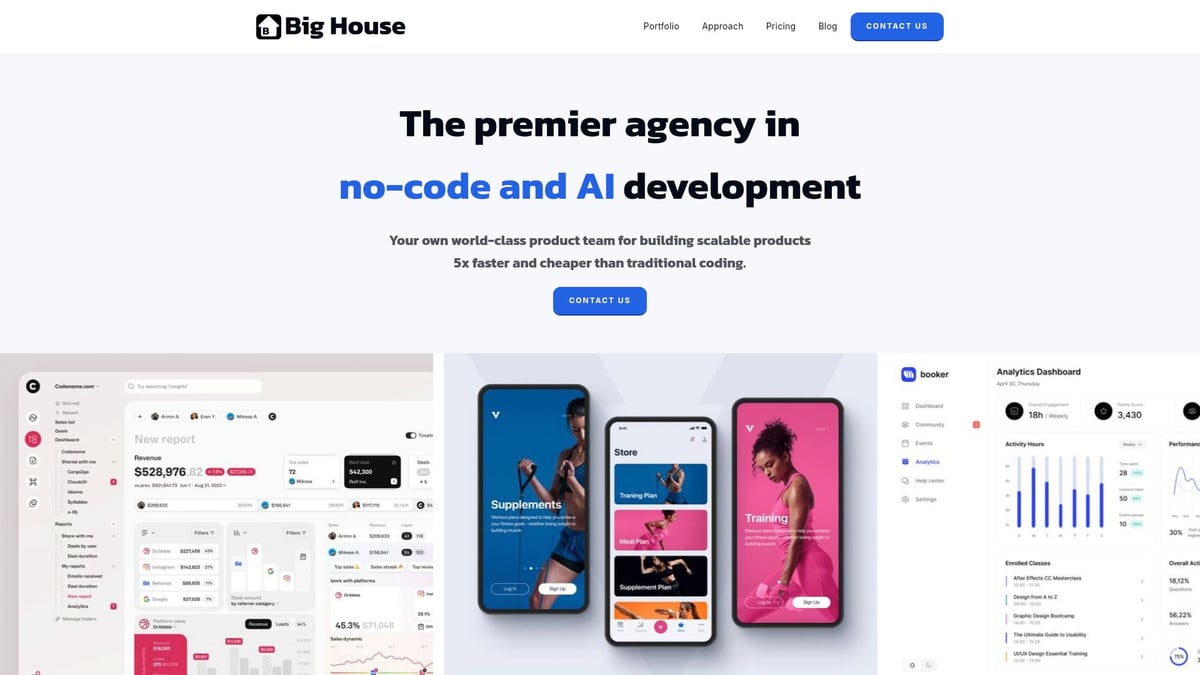
Clients enjoy 5x faster delivery, 3-4x cost savings, and proven successes across industries. Big House Technologies supports startups and global enterprises, helping them launch MVPs, automate workflows, and scale digital products. Their flexible pricing adapts to your growth stage, making expert help accessible for any bubble app building project. For consultations, reach out via their website, email, WhatsApp, or phone.
Maximizing ROI: Best Practices for Agency Collaboration
Successful bubble app building partnerships require alignment and transparency. Start by defining clear business objectives, user needs, and technical requirements with your agency.
A collaborative process—ideation, wireframing, prototyping, and feedback—ensures your vision is realized. Maintain open communication, track milestones, and encourage regular updates. These habits foster trust and accountability. Many founders attribute their market-ready products to seamless agency collaboration and clear goal-setting from the outset.
Future Trends: The Evolving No-Code Ecosystem
Bubble app building continues to evolve, with 2026 poised for even greater enterprise adoption and AI integration. Agencies and solo builders alike are embracing smarter templates, plugins, and open-source modules.
Expect more community-driven innovation and continuous platform updates. Staying informed about new features and best practices is crucial for sustainable success. For insights on enhancing your apps with advanced AI, explore Bubble's AI Integration Capabilities and prepare for a future where no-code and AI redefine digital creation.
You’ve seen how fast and flexible building with Bubble can be in 2026—imagine turning your vision into a working app in a matter of weeks, not months. Whether you’re launching a new SaaS, testing an MVP, or scaling up for enterprise, the no code approach gives you an incredible edge on speed and cost. If you’re ready to put what you’ve learned into action and want to see how quickly you could get your product off the ground, check out how you can Launch Your MVP in Weeks, Not Months.

About Big House
Big House is committed to 1) developing robust internal tools for enterprises, and 2) crafting minimum viable products (MVPs) that help startups and entrepreneurs bring their visions to life.
If you'd like to explore how we can build technology for you, get in touch. We'd be excited to discuss what you have in mind.
Other Articles
Discover the best countries to hire Bubble developers in 2026 Compare top destinations for skill, cost, and reliability to power your next no code project
Discover how to select the right custom software development company in 2025 with expert tips on evaluation, pricing, and collaboration to ensure project success.
Discover who competes with Replit in the AI coding and cloud development space. Compare features, pricing, and enterprise solutions in 2026.