
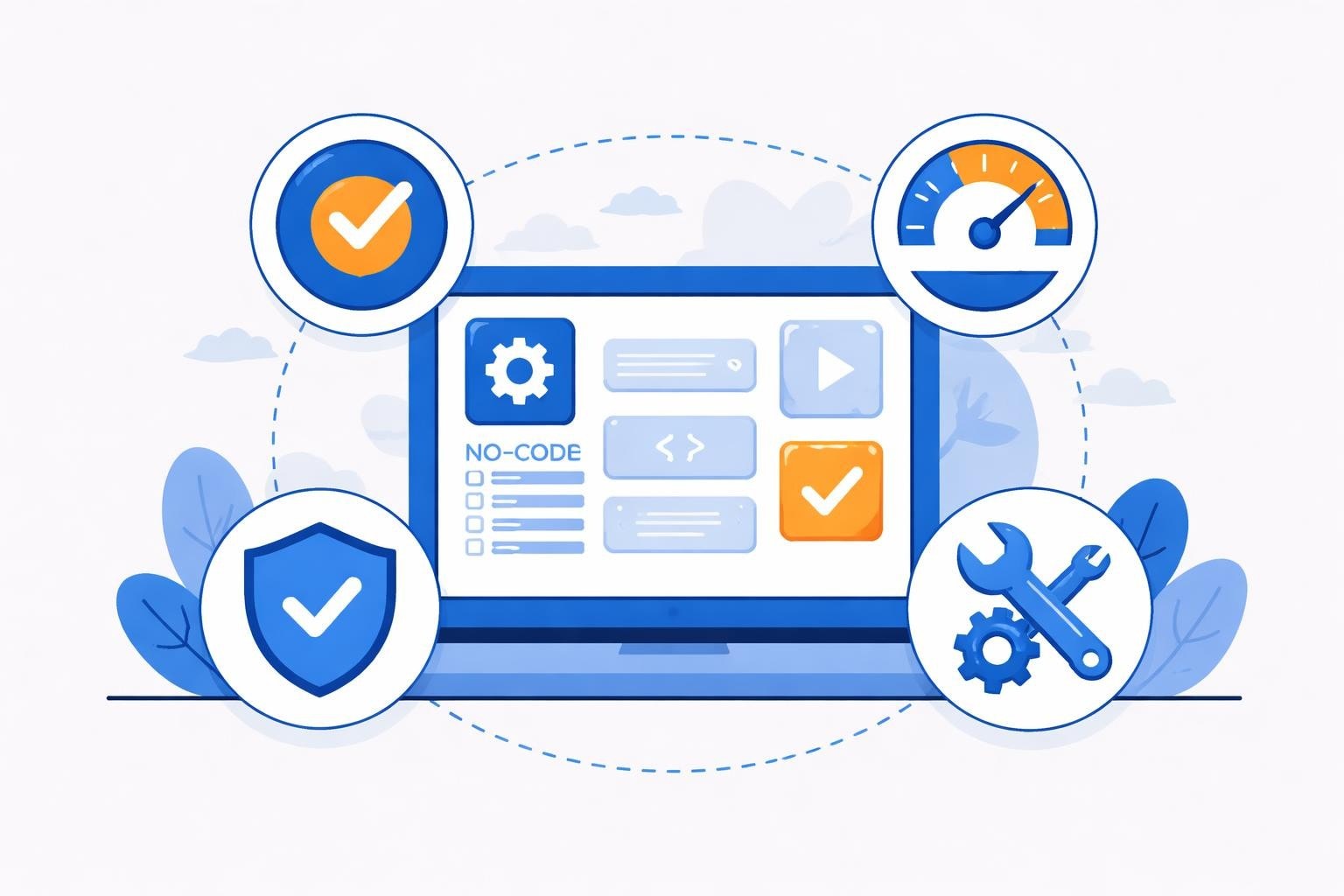
The demand for rapid software delivery has never been higher, yet the pressure to ship quickly cannot come at the expense of reliability and functionality. Software quality remains the cornerstone of successful digital products, determining whether applications delight users or frustrate them. In the no-code and AI development landscape of 2026, where platforms like Bubble and Lovable enable faster creation cycles, understanding and maintaining quality standards becomes even more critical. This comprehensive guide explores the dimensions, metrics, and practices that define excellent software, particularly within no-code development contexts.
Understanding the Core Dimensions of Software Quality
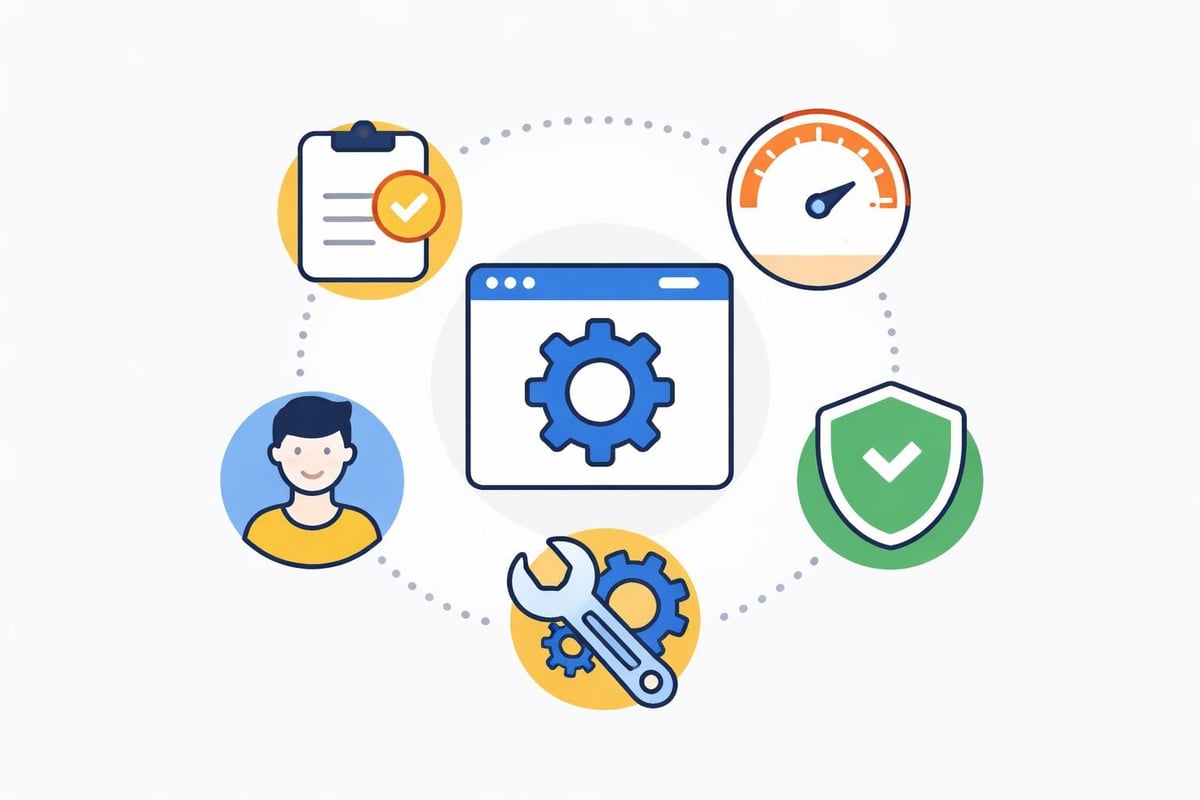
Software quality encompasses multiple interconnected attributes that collectively determine how well an application meets user needs and business objectives. Rather than viewing quality as a single measure, modern development approaches recognize it as a multifaceted concept.
Functional suitability represents how completely software meets specified requirements. In no-code development, this means ensuring that visual programming logic accurately implements business rules and user workflows. Measuring software quality using quality metrics provides frameworks for evaluating these attributes systematically.
Performance efficiency directly impacts user satisfaction and operational costs. Applications built on no-code platforms must handle expected loads while maintaining responsive interfaces. This dimension includes:
- Response time under various user loads
- Resource consumption (memory, processing power)
- Scalability potential as user bases grow
- Database query optimization
Reliability measures how consistently software performs required functions under specified conditions. For enterprise applications, this translates to minimal downtime, graceful error handling, and predictable behavior across different scenarios.
Usability and Maintainability Considerations
The user experience dimension of software quality extends beyond aesthetics to encompass intuitive navigation, accessibility compliance, and error prevention. No-code platforms excel here by enabling rapid prototyping and iteration based on user feedback.
Maintainability determines how easily developers can modify, update, and extend applications over time. AI software development tools are increasingly supporting this dimension through automated code suggestions and refactoring capabilities.
Metrics That Matter for Quality Assessment
Quantifying software quality requires carefully selected metrics that provide actionable insights rather than vanity numbers. Different stakeholders care about different measurements, making it essential to align metrics with business goals.
Code Quality Indicators
| Metric Category | Key Measurements | Relevance to No-Code |
|---|---|---|
| Complexity | Cyclomatic complexity, nesting depth | Workflow logic branching |
| Duplication | Repeated logic patterns | Reusable component usage |
| Documentation | Comment coverage, API docs | Component descriptions, process notes |
| Test Coverage | Percentage of tested functionality | Automated workflow testing |
Defect density tracks the number of confirmed bugs per thousand lines of code or per functional module. In no-code environments, this translates to issues per workflow or per page. Tracking this metric over time reveals whether quality improves as teams gain platform expertise.
Mean time between failures (MTBF) and mean time to recovery (MTTR) provide crucial reliability indicators. What is software quality explores how these metrics connect to overall product reliability and user trust.
Customer satisfaction scores and Net Promoter Scores (NPS) offer user-perspective quality measures. These qualitative metrics often reveal quality issues that technical measurements miss, such as confusing interfaces or missing features.
Performance Benchmarks
Response time percentiles (P50, P95, P99) provide more nuanced performance insights than simple averages. The 95th percentile response time, for example, shows what experience the slowest 5% of users receive, often revealing bottlenecks that averages hide.
Resource utilization metrics include:
- Database query execution times
- API call latencies
- Client-side rendering performance
- Memory consumption patterns
For applications built with no-code startups, monitoring these metrics from day one establishes baselines for future scaling decisions.
Best Practices for Maintaining High Quality Standards
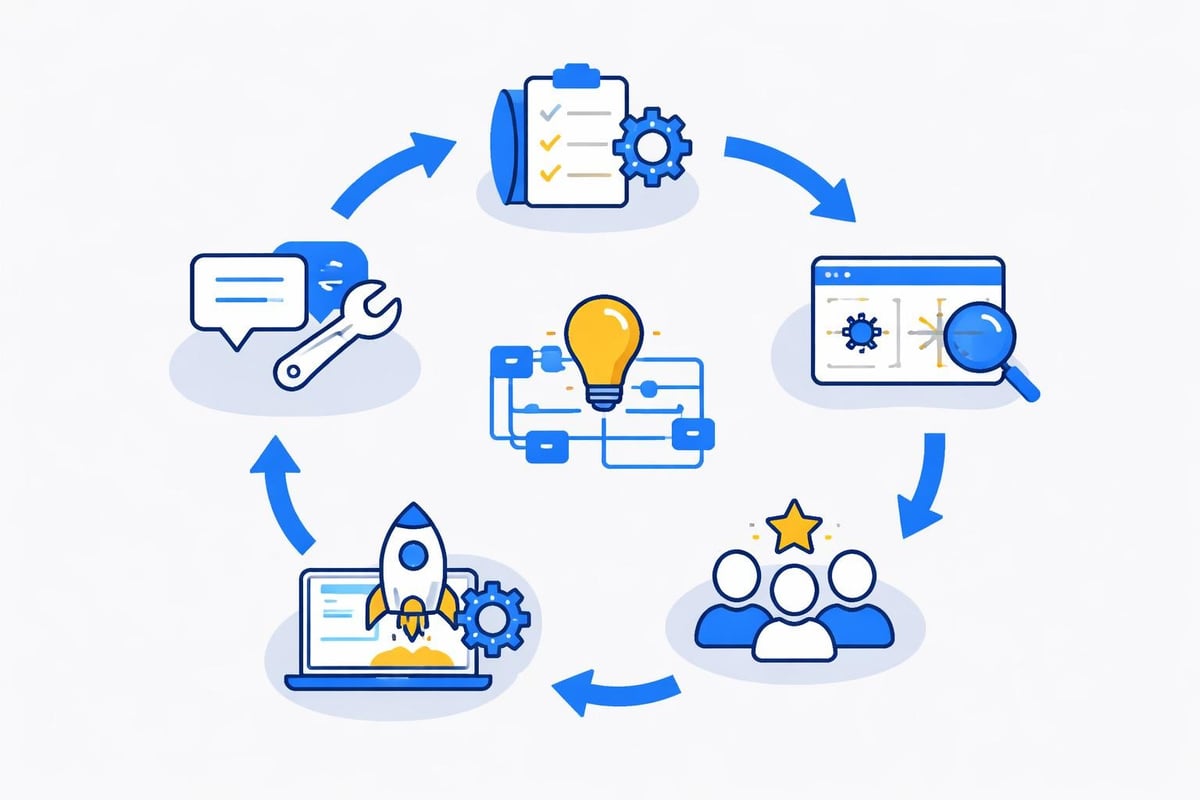
Implementing robust quality practices requires commitment throughout the development lifecycle, from initial planning through ongoing maintenance. Organizations that embed quality into their culture rather than treating it as a final checkpoint achieve superior results.
Design Phase Quality Gates
Requirements clarity prevents countless downstream quality issues. Before development begins, document:
- Specific user stories with acceptance criteria
- Performance expectations and load requirements
- Security and compliance obligations
- Integration points with existing systems
Prototyping with no-code tools enables early validation of assumptions. Stakeholders can interact with functional prototypes before significant development investment, catching misunderstandings when changes cost least.
Architecture decisions made early profoundly impact long-term quality. Software quality best practices emphasize choosing appropriate patterns and platforms based on specific project needs rather than trends.
Development and Testing Strategies
Automated testing catches regressions before they reach users. While no-code platforms may limit traditional unit testing approaches, they support:
- Workflow automation testing
- API endpoint validation
- User interface regression checks
- Data integrity verification
Code reviews, adapted for visual development, involve team members examining workflows for logic errors, performance issues, and maintainability concerns. Pair programming approaches work exceptionally well in no-code contexts, where two developers can collaborate in real-time on visual interfaces.
Continuous integration practices ensure changes integrate smoothly with existing functionality. Modern no-code platforms support version control and deployment pipelines that enable these practices.
Balancing Speed and Stability in Modern Development
The pressure to deliver features rapidly creates tension with quality maintenance. The AI speed trap examines how organizations sometimes sacrifice stability for velocity, ultimately creating technical debt that slows future development.
Technical debt accumulates when teams choose quick solutions over robust ones. In no-code development, this might manifest as:
- Duplicated workflows instead of reusable components
- Hardcoded values rather than configurable settings
- Workarounds for platform limitations
- Inadequate documentation of complex logic
Strategic technical debt can accelerate valuable learning, but unmanaged debt eventually paralyzes development velocity. Allocating dedicated time for refactoring and improvement prevents debt accumulation.
Risk-Based Quality Approaches
Not all software components require identical quality standards. Risk-based approaches focus intensive quality efforts on:
- Critical business functions where failures cause significant harm
- High-visibility features that directly impact user satisfaction
- Integration points connecting to external systems
- Data processing logic handling sensitive information
Less critical features might receive adequate testing with lighter processes, optimizing team effort allocation. When working with agencies building Bubble MVPs, this prioritization helps deliver functional products within budget constraints.
Quality Challenges in No-Code Development
No-code platforms introduce unique quality considerations alongside their benefits. Understanding these nuances helps teams proactively address potential issues.
Platform limitations sometimes require creative solutions that may impact maintainability. Documenting these workarounds and revisiting them as platforms evolve prevents confusion and enables future improvements.
Visual development's accessibility means team members with varying technical backgrounds contribute to applications. This democratization brings diverse perspectives but requires:
- Clear coding standards adapted for visual development
- Training programs covering platform best practices
- Review processes ensuring consistency
- Documentation templates accessible to non-developers
Vendor dependency creates risks if platforms change features or pricing. Mitigate this through:
- Abstraction layers isolating business logic from platform-specific implementations
- Regular exports of application data and configurations
- Monitoring platform roadmaps and community discussions
- Contingency planning for platform transitions
Testing Limitations and Solutions
Traditional automated testing frameworks may not directly support no-code platforms. However, quality assurance remains possible through:
| Testing Type | No-Code Approach | Tools and Techniques |
|---|---|---|
| Functional Testing | Manual test scripts, recorded workflows | Platform-specific testing features |
| Integration Testing | API testing tools, webhook verification | Postman, automated API tests |
| Performance Testing | Load testing services, monitoring tools | LoadView, Datadog, platform analytics |
| User Acceptance | Beta programs, prototype feedback | User testing sessions, surveys |
Hire Bubble developer expertise helps navigate platform-specific testing capabilities and implement comprehensive quality assurance strategies.
Organizational Factors Influencing Quality
Software quality reflects organizational culture and priorities as much as technical practices. Teams operating in quality-focused environments consistently deliver superior products.
Leadership commitment manifests through resource allocation for quality activities. Organizations that measure and reward quality outcomes alongside delivery speed create balanced incentives. The software quality crisis discusses how industry-wide quality decline stems partly from misaligned organizational priorities.
Cross-functional collaboration improves quality by incorporating diverse perspectives. Developers, designers, business analysts, and end users each contribute unique insights that strengthen applications.
Continuous learning cultures invest in:
- Regular training on platform updates and capabilities
- Knowledge sharing sessions highlighting lessons learned
- External conference attendance and certification programs
- Experimentation time for exploring new approaches
Quality Metrics in Team Performance
Balanced scorecards measuring both delivery and quality prevent teams from optimizing for speed alone. Effective metrics include:
- Defect escape rate (bugs found in production versus testing)
- Customer-reported issues per release
- Time spent on bug fixes versus new features
- Technical debt ratio and trends
Celebrating quality achievements reinforces their importance. Recognizing teams that improve reliability or reduce technical debt signals organizational values beyond feature delivery.
Implementing Quality in Client Projects
Service providers face unique challenges maintaining quality across diverse client projects with varying budgets and timelines. Structured approaches ensure consistent standards while accommodating project differences.
Initial scoping should explicitly address quality requirements and constraints. Discussions covering acceptable defect rates, performance expectations, and testing depth prevent later disagreements.
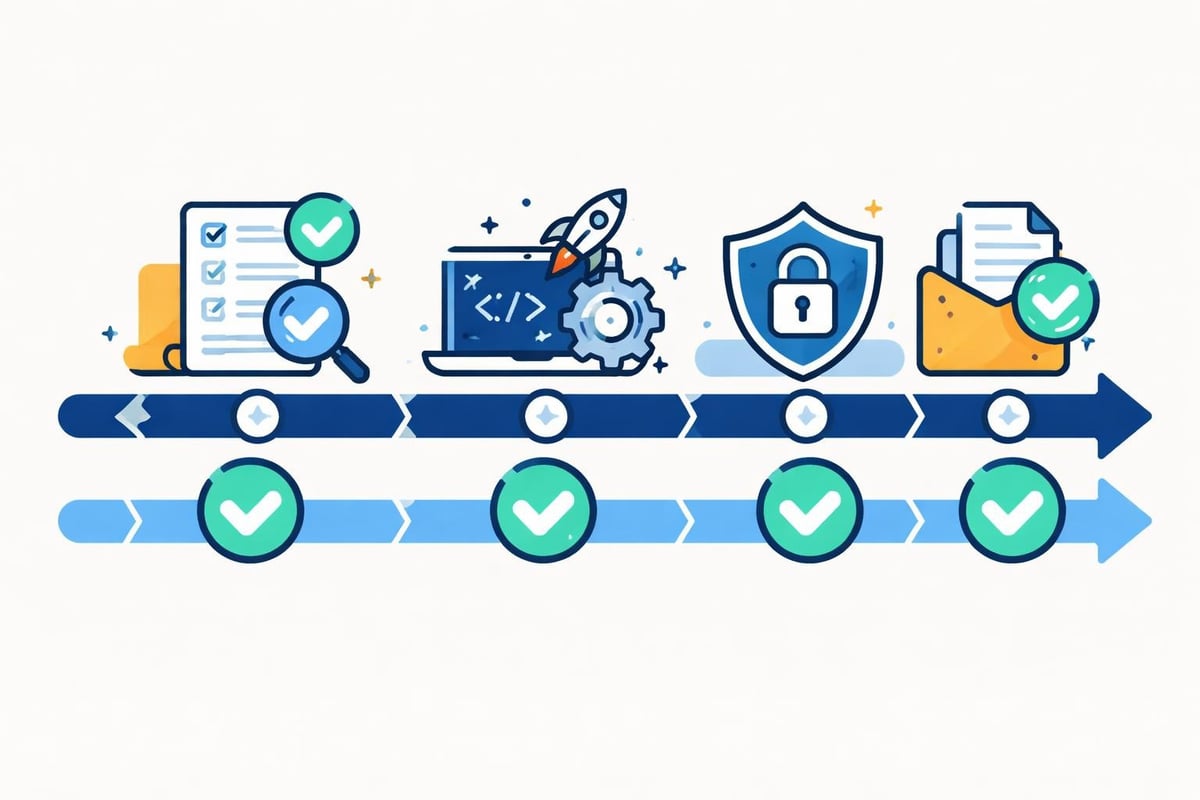
Quality gates at project milestones ensure issues surface early:
- Requirements sign-off confirming shared understanding
- Design approval validating approach before development
- Functionality review verifying core features work correctly
- Performance testing confirming acceptable speed
- Security assessment identifying vulnerabilities
- User acceptance confirming satisfaction
Transparent reporting keeps clients informed about quality status. Regular updates showing test results, known issues, and resolution plans build trust and enable informed decisions.
Future Trends Affecting Software Quality
The software quality landscape continues evolving as new technologies and methodologies emerge. Staying ahead of these trends positions organizations for sustained success.
AI-assisted quality assurance tools increasingly automate testing and bug detection. These systems learn from codebases to identify potential issues, suggest improvements, and even generate test cases. AI tools for Bubble developers explore how artificial intelligence augments no-code development quality.
Low-code and no-code platforms continue maturing, with enhanced built-in quality features. Expect improvements in:
- Automated testing capabilities integrated into platforms
- Performance monitoring and optimization suggestions
- Compliance checking for industry regulations
- Collaborative development and review workflows
Shift-left testing emphasizes quality activities earlier in development cycles. Rather than testing after development completes, modern approaches integrate continuous testing throughout the process, catching issues when they're cheapest to fix.
Quality engineering as a distinct discipline recognizes that building quality in differs from testing quality in. Organizations increasingly hire specialists who focus on quality architecture, automation, and continuous improvement rather than just defect detection.
Maintaining software quality in today's fast-paced development environment requires balancing speed with stability through deliberate practices, appropriate metrics, and organizational commitment. Whether building enterprise applications or startup MVPs, quality foundations determine long-term success and user satisfaction. Big House Technologies combines no-code platform expertise with comprehensive quality practices to deliver scalable, reliable solutions that meet your business objectives while staying on schedule and within budget.

About Big House
Big House is committed to 1) developing robust internal tools for enterprises, and 2) crafting minimum viable products (MVPs) that help startups and entrepreneurs bring their visions to life.
If you'd like to explore how we can build technology for you, get in touch. We'd be excited to discuss what you have in mind.
Other Articles
No-code solutions are revolutionizing software development, making it faster, more affordable, and scalable. Learn how platforms like Bubble and agencies like Big House can help bring your ideas to life.
Master developer team management in 2025 with proven strategies on recruitment, leadership, workflow, and performance. Build high-performing teams for the future.
Discover how low code platform development accelerates software creation, reduces costs, and empowers teams to build scalable applications faster.