
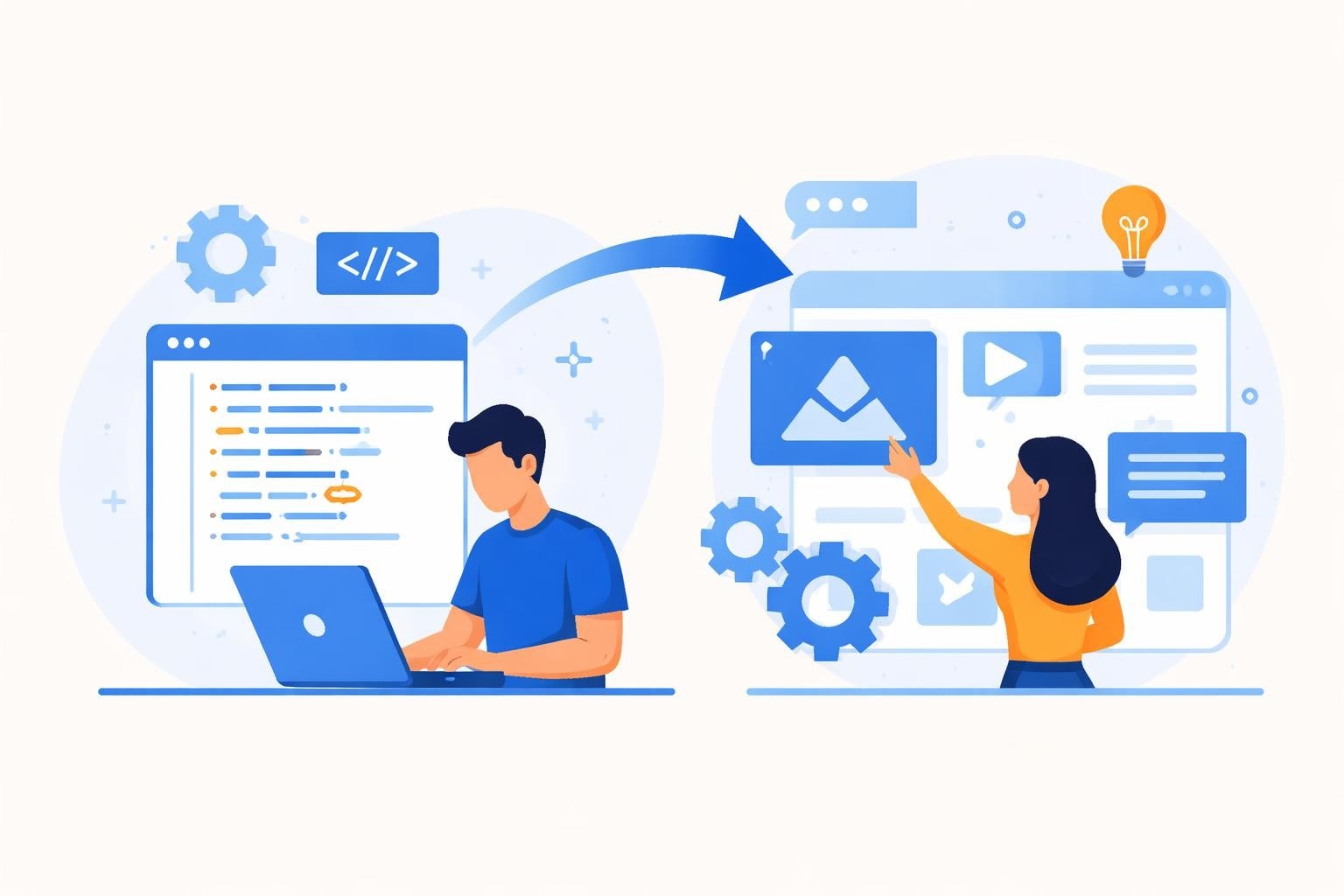
The software development landscape has undergone a remarkable transformation in recent years, with application making software emerging as a game-changing solution for businesses of all sizes. These platforms enable organizations to build custom applications without extensive coding knowledge, dramatically reducing development time and costs while maintaining professional quality. As enterprises and startups alike search for ways to accelerate their digital transformation, understanding the capabilities and benefits of modern application making software has become essential for staying competitive in 2026.
Understanding Application Making Software
Application making software refers to platforms and tools that enable users to create functional software applications through visual interfaces, pre-built components, and minimal coding requirements. These solutions range from completely no-code platforms to low-code environments that allow developers to extend functionality through custom code when needed.
The evolution of these tools has been remarkable. What started as simple form builders and website creators has matured into sophisticated development environments capable of producing enterprise-grade applications. Today's application making software supports complex workflows, integrates with numerous third-party services, and scales to handle millions of users.
Key Categories of Application Making Software
Different platforms serve different needs and user types:
- No-code platforms designed for business users with zero programming experience
- Low-code platforms that combine visual development with coding capabilities for developers
- AI-powered development tools that generate code and applications from natural language descriptions
- Mobile app builders focused specifically on iOS and Android applications
- Web application platforms optimized for browser-based software solutions
The democratization of software development through AI-powered no-code development tools has enabled non-technical professionals to solve business problems directly without waiting for IT department resources.
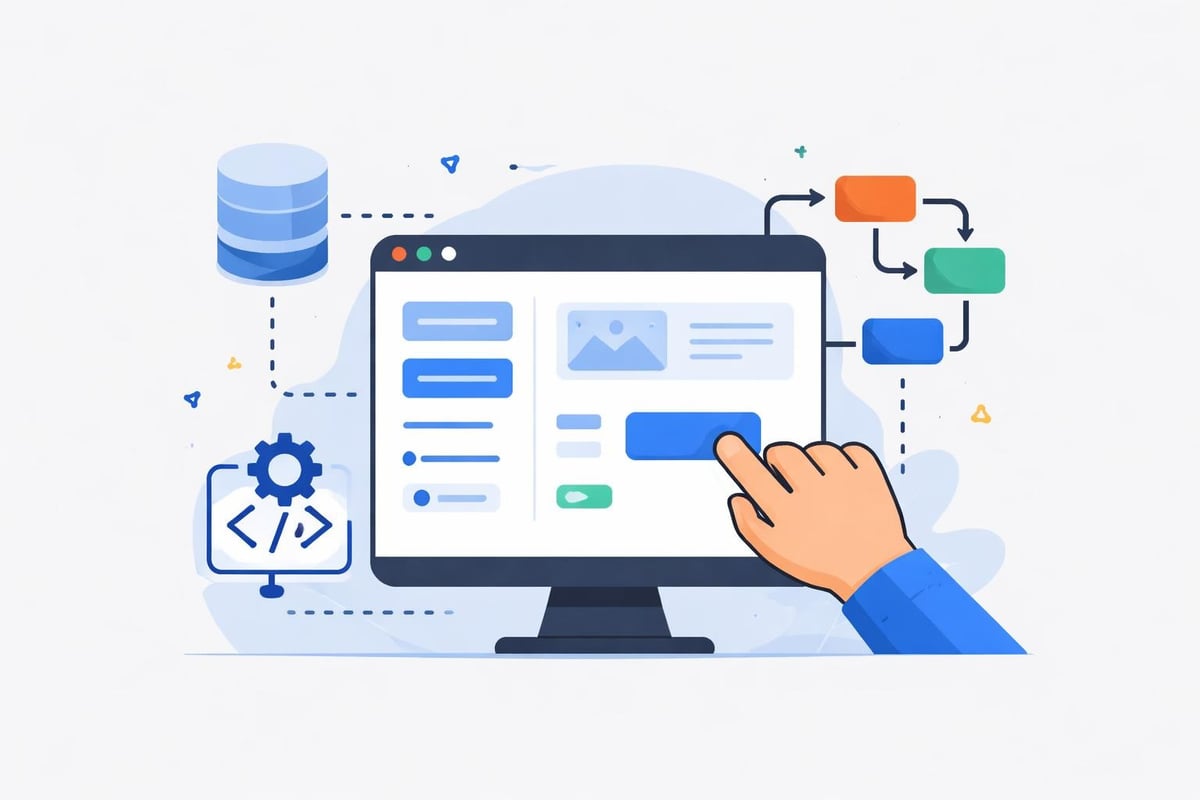
Benefits That Drive Adoption
Organizations adopting application making software report significant advantages over traditional development approaches. Speed to market stands out as the primary benefit, with many businesses launching functional applications in weeks rather than months.
Cost reduction represents another compelling factor. By eliminating the need for large development teams and reducing project timelines, companies can build applications for a fraction of traditional development costs. When considering MVP software development, these platforms excel at rapid prototyping and validation.
| Traditional Development | Application Making Software |
|---|---|
| 3-6 months typical timeline | 2-6 weeks average delivery |
| $50,000-$200,000+ budget | $5,000-$30,000 typical cost |
| Requires technical team | Business users can participate |
| Complex maintenance | Visual updates and changes |
| Limited flexibility post-launch | Easy iteration and modification |
Empowering Business Users
The shift toward citizen development has become one of the most significant trends in 2026. Business analysts, operations managers, and department heads can now create solutions tailored to their specific needs without submitting IT tickets or waiting for developer availability.
This empowerment leads to better alignment between business requirements and final solutions. The people who understand the problem best can directly participate in building the solution, reducing miscommunication and revision cycles.
Popular Platforms and Technologies
Several platforms have emerged as leaders in the application making software space. Bubble stands out for web application development, offering a comprehensive visual programming environment that handles both frontend and backend logic. Organizations looking to hire Bubble developers find skilled professionals who can accelerate even complex projects.
For AI-driven development, Lovable represents the cutting edge of natural language-to-application generation. The platform interprets user requirements and generates working applications, dramatically reducing the technical barrier to entry.
FlutterFlow has gained traction for mobile app development, particularly among teams targeting both iOS and Android platforms. The visual interface connects directly to Firebase and other backend services, creating a complete development ecosystem.
Traditional platforms like Salesforce's Lightning and Microsoft's Power Apps serve enterprise clients with established ecosystems. These solutions integrate seamlessly with existing business systems, making them attractive for organizations already invested in those platforms.
The rise of AI software development has introduced new considerations around code quality and reliability, as explored in discussions about AI-written software trustworthiness.
Essential Features to Evaluate
When selecting application making software, several critical features deserve careful consideration. Database management capabilities determine how well the platform can handle complex data relationships and large-scale operations.
Visual Development Environment
The quality of the visual builder directly impacts development speed and ease of use. Look for platforms offering:
- Intuitive drag-and-drop interfaces
- Real-time preview capabilities
- Responsive design tools
- Component libraries and templates
- Version control and collaboration features
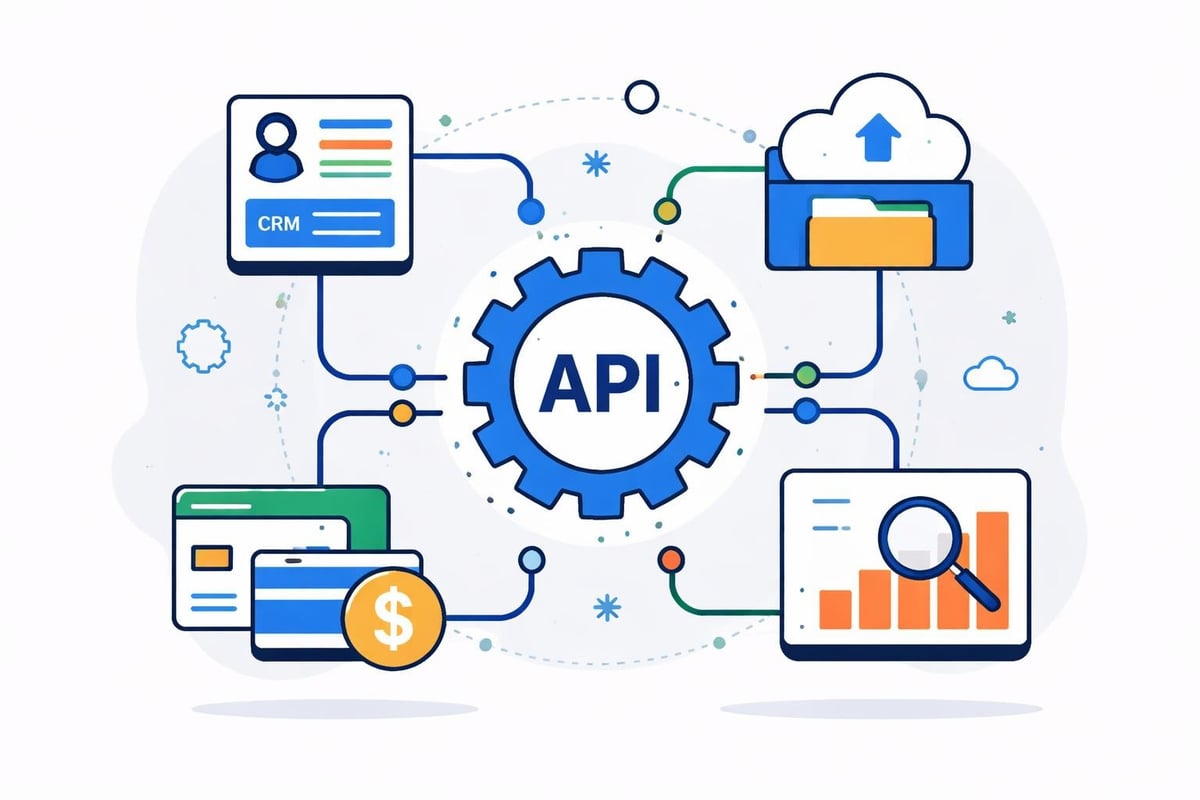
Integration capabilities make or break many application making software implementations. Modern platforms must connect seamlessly with existing tools, APIs, and services that businesses already use.
Authentication and security features should include role-based access control, encryption, and compliance with industry standards. Enterprise applications require robust security measures that protect sensitive data without compromising usability.
Real-World Implementation Strategies
Successful application making software deployments follow proven patterns. Starting with a pilot project allows teams to learn the platform while delivering value quickly. Choose a real business problem with clear success metrics rather than building for the sake of experimentation.
Cross-functional collaboration proves essential. Include stakeholders from IT, business units, and end users throughout the development process. This collaboration ensures technical feasibility while meeting actual business needs.
For organizations new to application development platforms, partnering with experienced agencies can accelerate success. Specialized firms bring best practices, pre-built components, and architectural knowledge that prevent common pitfalls.
Training and Skill Development
While application making software reduces coding requirements, users still need training. Structured learning programs help teams maximize platform capabilities. Resources like Coursera's application development courses provide foundational knowledge applicable across platforms.
Internal champions who become platform experts can mentor other team members and establish governance standards. These individuals bridge the gap between business requirements and technical implementation.
Overcoming Common Challenges
Scalability concerns often arise when discussing application making software. Can these platforms handle enterprise-level traffic and data volumes? Modern solutions have proven capable of supporting millions of users when properly architected. Understanding scalable backend options becomes crucial for growing applications.
Performance optimization requires different techniques than traditional coding. Visual platforms abstract much of the underlying code, so developers must understand platform-specific optimization strategies. Database query design, conditional loading, and caching mechanisms all require platform-native approaches.
| Challenge | Solution Approach |
|---|---|
| Complex business logic | Combine visual workflows with custom code plugins |
| Legacy system integration | Use API middleware and data synchronization tools |
| User adoption resistance | Provide hands-on training and showcase quick wins |
| Governance concerns | Establish review processes and development standards |
| Technical debt | Regular audits and refactoring sessions |
Vendor lock-in represents a legitimate concern. Applications built on proprietary platforms may be difficult to migrate. Evaluate export options, API access, and the platform's market stability before committing to critical business applications.
The Enterprise Adoption Journey
Large organizations approach application making software differently than startups. Enterprises must consider existing IT infrastructure, security requirements, and compliance obligations. Many begin with internal tools before expanding to customer-facing applications.
IT governance frameworks need adaptation for citizen development. Establishing clear guidelines about who can build what prevents shadow IT while enabling innovation. Regular reviews ensure applications meet security standards and architectural principles.
Successful enterprises create centers of excellence around their chosen platforms. These groups develop reusable components, establish best practices, and provide support to business units building applications. The model combines centralized expertise with distributed development capability.
For businesses exploring no-code startups, application making software offers the perfect foundation. Launch products quickly, validate market fit, and iterate based on user feedback without burning through development budgets.
Mobile Application Development
Creating mobile applications represents a specialized use case for application making software. Platforms optimized for mobile development must handle device-specific considerations like offline functionality, push notifications, and camera access.
Cross-platform development saves time by enabling a single codebase for both iOS and Android. Modern application making software abstracts platform differences while allowing access to native device features when needed. Apple's resources on app development training complement no-code tools by explaining mobile-specific concepts.
Progressive web apps (PWAs) offer an alternative approach, delivering app-like experiences through web browsers. This strategy eliminates app store approval processes and updates deploy instantly to all users.
Distribution and Maintenance
Getting applications into users' hands requires consideration of distribution channels. Mobile app stores have specific requirements and review processes. Understanding these guidelines prevents rejection and delays.
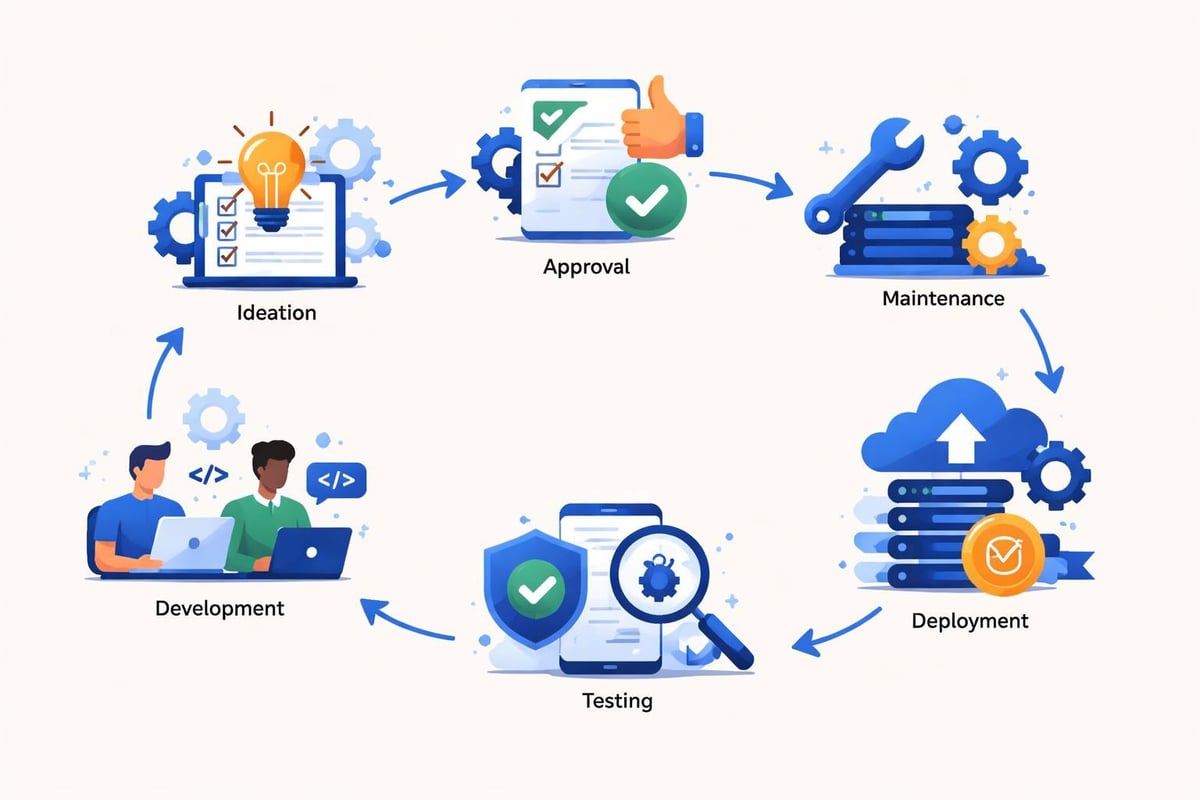
Ongoing maintenance differs significantly from traditional development. Application making software platforms handle infrastructure updates and security patches automatically, but application logic and design updates fall to the development team. Regular testing across devices and operating systems ensures consistent user experiences.
AI Integration and Future Trends
Artificial intelligence capabilities are rapidly being incorporated into application making software. AI assists with everything from generating initial layouts to optimizing database queries and suggesting workflow improvements.
Natural language interfaces now allow users to describe desired functionality in plain English, with the platform generating working code. This advancement removes even the need to understand visual development concepts. However, as discussed in research on beginning application development, foundational concepts still help developers use these tools effectively.
Machine learning integration enables applications to leverage predictive analytics, recommendation engines, and intelligent automation. Pre-built ML models accessible through APIs bring sophisticated capabilities to applications without requiring data science expertise.
The convergence of application making software with AI capabilities promises to further accelerate development timelines. Features that once required weeks of coding now emerge from conversational interactions with AI assistants.
Measuring Success and ROI
Quantifying the value of application making software requires tracking multiple metrics beyond initial development costs. Time to market improvements often represent the most significant benefit, enabling businesses to respond to opportunities competitors miss.
Development cost reductions typically range from 50-80% compared to traditional approaches. Factor in ongoing maintenance savings, as updates and modifications happen faster with visual tools than traditional code changes.
User adoption metrics reveal whether applications actually solve business problems. Track active users, feature usage, and satisfaction scores to ensure investments deliver intended value. Applications that sit unused represent failed projects regardless of technical quality.
Business impact measures connect applications to organizational outcomes. Did the customer portal reduce support tickets? Did the inventory management tool decrease stockouts? Linking applications to concrete business results justifies continued investment and expansion.
Selection Criteria for Your Business
Choosing the right application making software depends on specific organizational needs and constraints. Technical requirements like scalability needs, integration complexity, and security standards narrow the field significantly.
Budget considerations extend beyond platform licensing to include training, potential consulting support, and ongoing operational costs. Total cost of ownership over three years provides better comparison than initial licensing fees alone.
Team capabilities influence platform selection. Organizations with technical staff may benefit from low-code platforms offering flexibility, while business-focused teams might prefer purely no-code solutions with guardrails preventing architectural mistakes.
Vendor stability and ecosystem health matter for long-term success. Platforms with active communities, regular updates, and strong financial backing reduce the risk of abandonment or stagnation.
Application making software has fundamentally changed how organizations approach software development, offering unprecedented speed and cost efficiency for creating custom solutions. Whether you're building internal tools, customer-facing applications, or MVPs to test new business ideas, these platforms deliver professional results without traditional development timelines. Big House Technologies specializes in leveraging leading no-code and AI platforms like Bubble and Lovable to transform your concepts into fully functional applications, combining the speed of visual development with the expertise to architect scalable, enterprise-ready solutions that meet your specific business objectives.

About Big House
Big House is committed to 1) developing robust internal tools for enterprises, and 2) crafting minimum viable products (MVPs) that help startups and entrepreneurs bring their visions to life.
If you'd like to explore how we can build technology for you, get in touch. We'd be excited to discuss what you have in mind.
Other Articles
Comprehensive bubble app security review covering vulnerabilities, best practices, and enterprise-level protection strategies for no-code applications.
Discover the top AI apps for iPhone in 2026. From productivity to creativity, explore how mobile AI is transforming the iOS ecosystem.
Discover the ultimate dev mvp guide for 2025 Learn essential steps to build, launch, and scale your MVP faster while minimizing risk and boosting success