
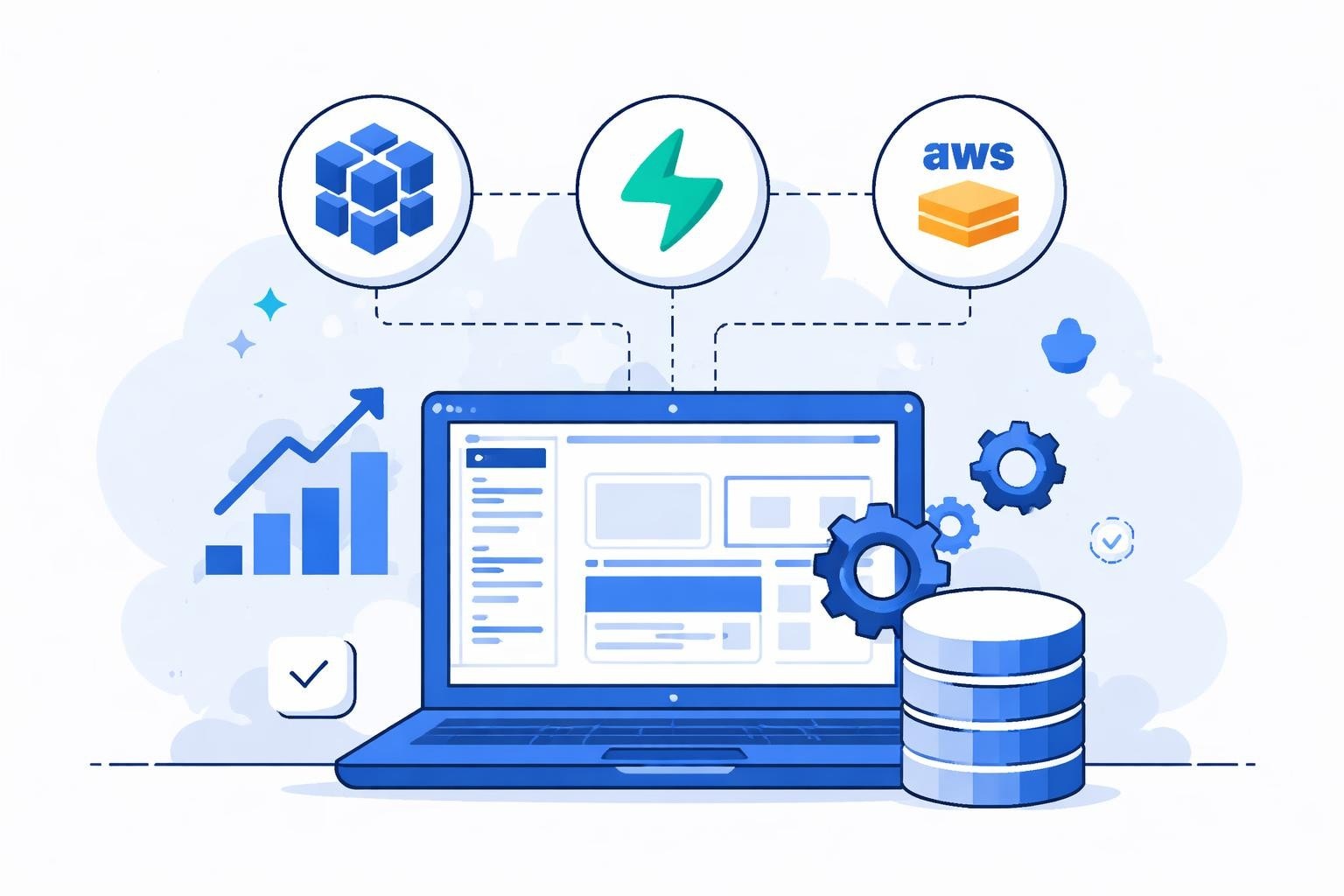
Building applications with Bubble has revolutionized how startups and enterprises approach software development, but as your user base grows, native Bubble infrastructure can sometimes hit limitations. Understanding scalable backend options for Bubble is essential for applications expecting rapid growth, high transaction volumes, or complex data processing needs. This comprehensive guide explores proven backend solutions that extend Bubble's capabilities while maintaining the speed and cost-efficiency that make no-code development so attractive.
Understanding Backend Scalability Challenges in Bubble
Bubble provides an impressive platform for building full-stack web applications without code, yet certain architectural constraints emerge at scale. The platform's native database works exceptionally well for most applications, but enterprises handling millions of records or complex relational queries may need additional infrastructure.
Common scalability bottlenecks include:
- Database query performance degradation with large datasets
- Workflow capacity limitations during traffic spikes
- File storage constraints for media-heavy applications
- API rate limiting on external integrations
- Real-time data synchronization across distributed users
These challenges don't mean Bubble isn't suitable for enterprise applications. Rather, they signal when complementary backend services become valuable investments. Professional agencies specializing in Bubble development understand these thresholds and can architect hybrid solutions that leverage Bubble's strengths while addressing its limitations.
When to Consider External Backend Solutions
Not every Bubble application requires a separate backend. Applications serving hundreds or even thousands of users often perform perfectly on Bubble's native infrastructure. However, specific use cases benefit significantly from scalable backend options for Bubble.
Consider external backends when your application involves:
- Processing more than 100,000 database records regularly
- Handling real-time data updates across thousands of concurrent users
- Running complex calculations or data transformations
- Integrating with legacy enterprise systems
- Requiring custom security compliance or data residency
The decision often comes down to evaluating your current performance metrics against projected growth. Strategies for building scalable web applications with Bubble emphasize proactive architecture planning rather than reactive problem-solving.
Xano: The Purpose-Built No-Code Backend
Xano has emerged as one of the most popular scalable backend options for Bubble developers seeking a no-code approach to backend infrastructure. This platform provides a visual development environment for building APIs, managing databases, and orchestrating business logic without writing code.
Key advantages of Xano include:
- Visual database schema designer with relational capabilities
- Custom API endpoint creation through drag-and-drop
- Built-in authentication and user management
- Advanced query builders for complex data operations
- Scalable infrastructure that grows with demand
The platform handles complex operations that might slow down Bubble's native workflows. For instance, batch processing thousands of records, running scheduled background jobs, or executing intricate business rules all perform efficiently through Xano's infrastructure.
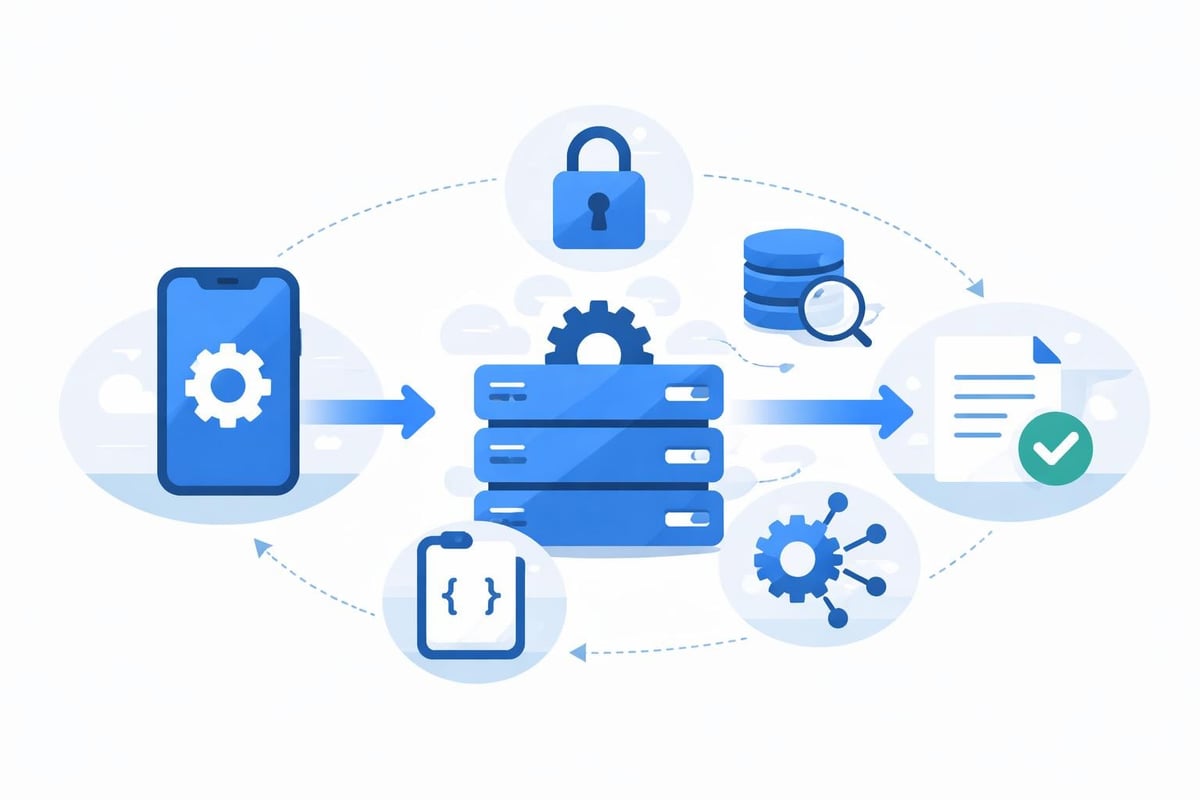
Integration Architecture with Xano
Connecting Bubble to Xano requires configuring API calls through Bubble's API Connector plugin. This integration pattern keeps your Bubble frontend fast and responsive while Xano handles heavy backend operations.
| Integration Aspect | Configuration Approach | Performance Benefit |
|---|---|---|
| Data fetching | API GET calls with caching | Reduced database load |
| Data mutations | POST/PUT endpoints | Transactional integrity |
| File processing | Background workers | Non-blocking uploads |
| Analytics | Scheduled aggregation | Pre-computed metrics |
According to insights from top low-code platforms for application development, Xano's architecture particularly excels at enterprise-level projects requiring granular control over backend logic. The platform's pricing scales with usage, making it cost-effective for growing applications.
Supabase: Open-Source Backend with PostgreSQL Power
Supabase represents another compelling option among scalable backend options for Bubble, particularly for teams valuing open-source technology and PostgreSQL's robust capabilities. Built on enterprise-grade database technology, Supabase provides real-time subscriptions, authentication, and storage alongside powerful querying capabilities.
The platform's standout features include:
- PostgreSQL database with full SQL capabilities
- Real-time subscriptions for live data updates
- Row-level security for granular access control
- Auto-generated REST and GraphQL APIs
- Self-hosting options for complete control
Supabase shines when applications require complex relational data models or need real-time collaboration features. The PostgreSQL foundation means developers can leverage advanced database features like triggers, functions, and materialized views that aren't available in Bubble's native database.
Real-Time Capabilities
One of Supabase's most powerful features is its real-time engine, which broadcasts database changes to subscribed clients instantly. This capability proves invaluable for:
- Collaborative editing tools where multiple users work simultaneously
- Dashboard applications displaying live metrics
- Chat or messaging features requiring instant updates
- Notification systems triggered by data changes
While Bubble can poll for updates, Supabase's WebSocket-based approach delivers changes with minimal latency and reduced server load. Low-code and no-code database management platforms like Supabase offer these advanced features while maintaining accessibility for developers without deep backend expertise.
AWS and Cloud Infrastructure Solutions
For enterprises requiring maximum scalability and customization, Amazon Web Services (AWS) provides comprehensive infrastructure options that integrate seamlessly with Bubble applications. This approach offers the highest ceiling for growth but requires more technical expertise to implement effectively.
Core AWS services for Bubble backends:
- RDS (Relational Database Service) for managed PostgreSQL or MySQL
- Lambda for serverless function execution
- S3 for scalable file storage
- DynamoDB for high-performance NoSQL databases
- API Gateway for managed API endpoints
The AWS approach typically involves building custom APIs that Bubble consumes through its API Connector. This architecture separates concerns cleanly: Bubble handles the user interface and basic application logic, while AWS manages data-intensive operations, file processing, and integration with other enterprise systems.
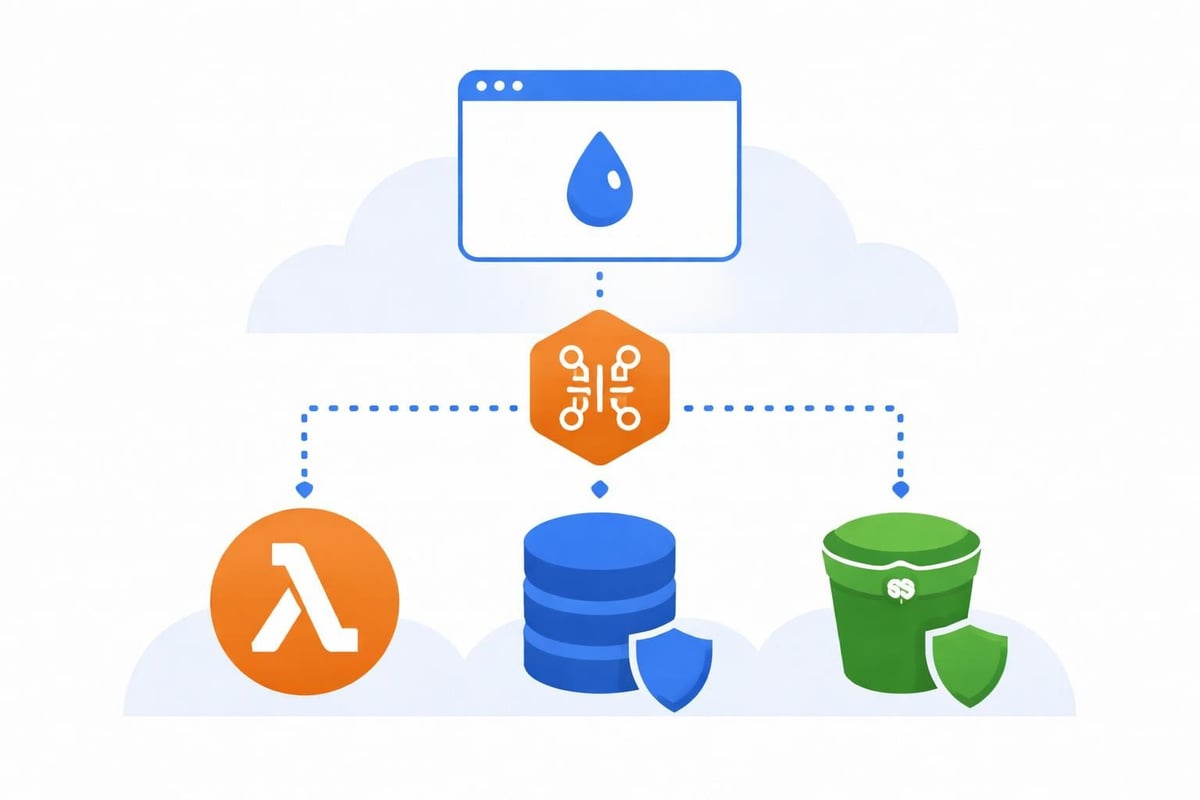
Serverless Architecture Patterns
Serverless computing through AWS Lambda represents a particularly efficient pattern for scalable backend options for Bubble. Functions execute only when triggered, scaling automatically based on demand without managing servers.
| Use Case | Lambda Implementation | Bubble Integration |
|---|---|---|
| Image processing | Resize uploads on S3 trigger | API call returns processed URL |
| Report generation | Compile data from RDS | Schedule via Bubble workflow |
| Third-party sync | Periodic data synchronization | Webhook triggers Lambda |
| Email campaigns | Bulk send with SES | Queue jobs via API |
Research on scalable serverless platforms demonstrates how architectures like AWS Lambda achieve low-latency performance even under variable load. For Bubble applications, this means consistent response times during traffic spikes without over-provisioning expensive always-on servers.
Custom Node.js and Python Backends
Sometimes the most scalable backend options for Bubble involve custom-built services using traditional programming languages. Node.js and Python backends offer unlimited flexibility for complex business logic, specialized algorithms, or integrations with proprietary systems.
Benefits of custom backend development include:
- Complete control over performance optimization
- Ability to implement specialized algorithms
- Integration with any third-party service or API
- Custom caching strategies for specific use cases
- Proprietary business logic protection
Development agencies like Big House Technologies often recommend hybrid approaches where Bubble handles 80% of the application while a focused custom backend manages performance-critical or specialized operations. This strategy maximizes development speed while ensuring scalability where it matters most.
Deployment and Hosting Strategies
Custom backends can deploy to various hosting environments, each offering different scalability characteristics:
- Platform-as-a-Service (Heroku, Railway) - Quick deployment with automatic scaling
- Container orchestration (Kubernetes, ECS) - Maximum control and efficiency at scale
- Serverless frameworks (Vercel, Netlify Functions) - Pay-per-execution pricing
- Virtual private servers (DigitalOcean, Linode) - Predictable costs for steady traffic
The choice depends on your team's DevOps expertise and expected traffic patterns. Scaling no-code applications with on-premise platforms discusses the tradeoffs between managed services and self-hosted solutions, particularly regarding control, security, and long-term costs.
Database-Specific Scalability Solutions
Beyond full backend platforms, sometimes applications need only database scalability while keeping other logic in Bubble. Several database-specific solutions address this targeted need without requiring complete backend replacement.
Specialized database options include:
- MongoDB Atlas for document-oriented data models
- Firebase Firestore for mobile-friendly real-time databases
- Airtable for structured data with built-in UI
- Hasura for GraphQL-powered PostgreSQL
- FaunaDB for globally distributed serverless databases
These solutions work particularly well when your scalability challenge centers primarily on data volume or query complexity rather than computation or business logic. Best low-code and no-code development platforms increasingly emphasize database flexibility as a critical feature for enterprise adoption.
Data Synchronization Patterns
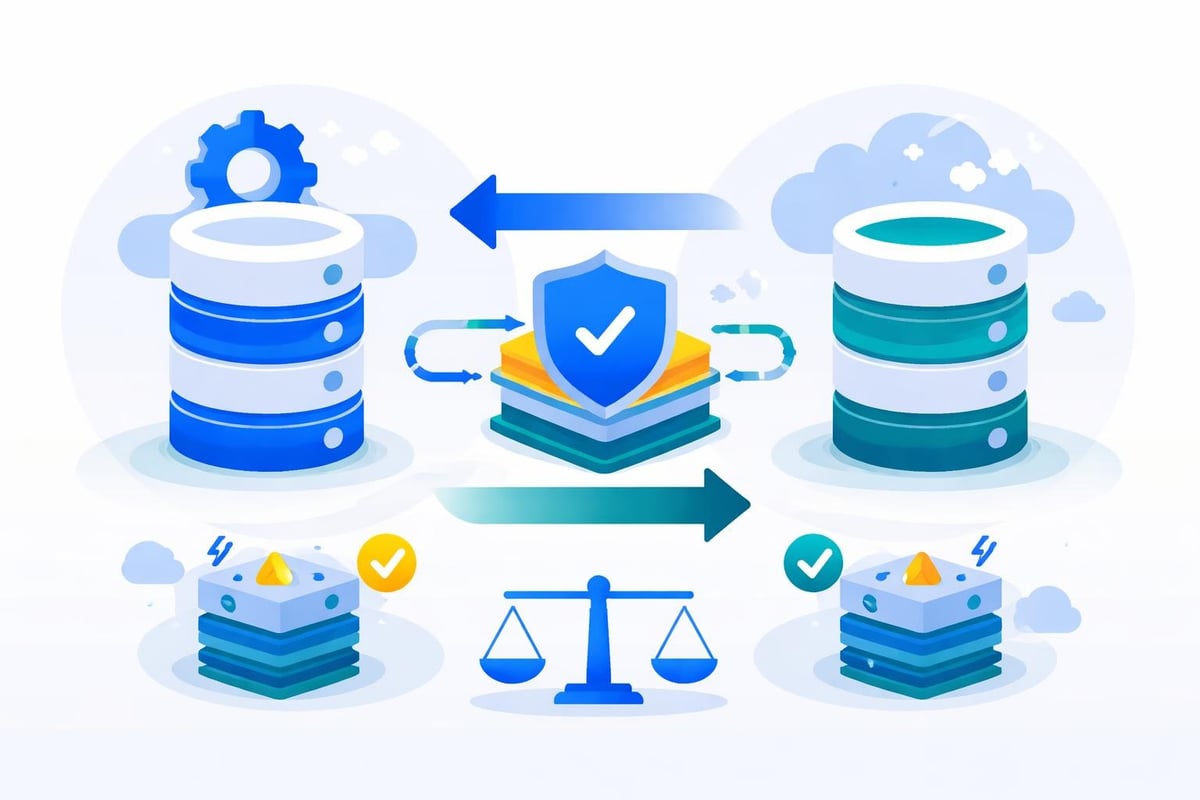
When integrating external databases with Bubble, establishing clear data synchronization patterns prevents conflicts and ensures consistency. Common approaches include:
| Pattern | Description | Best For |
|---|---|---|
| Write-through | All writes go to external DB | Single source of truth |
| Write-behind | Bubble caches, syncs periodically | Read-heavy applications |
| Read-through | Bubble fetches on-demand | Large rarely-accessed datasets |
| Event sourcing | Changes tracked as events | Audit trails and history |
The strategies for scaling no-code applications emphasize the importance of caching and content delivery optimization alongside database architecture decisions.
Performance Optimization and Monitoring
Implementing scalable backend options for Bubble is only half the equation; continuous monitoring and optimization ensure sustained performance as your application grows. Establishing baseline metrics before scaling helps validate that architectural changes deliver expected improvements.
Critical metrics to monitor include:
- API response times at various percentiles (p50, p95, p99)
- Database query execution times
- Background workflow completion rates
- Error rates and failure patterns
- Resource utilization (CPU, memory, bandwidth)
Modern monitoring tools like Datadog, New Relic, or CloudWatch provide real-time visibility into backend performance. Setting up alerts for performance degradation enables proactive intervention before users experience issues.
Load Testing and Capacity Planning
Before migration to a new backend architecture, load testing validates that your chosen solution handles projected traffic. Tools like k6, Artillery, or JMeter simulate realistic user behavior at scale, revealing bottlenecks before they affect production users.
Effective load testing scenarios include:
- Baseline performance with current user levels
- Peak traffic simulation at 2x-5x normal load
- Sustained load tests running for hours or days
- Spike tests with sudden traffic increases
- Stress tests pushing systems to failure points
Professional no-code development agencies incorporate performance testing into their development workflows, ensuring applications meet scalability requirements before launch rather than discovering limitations after deployment.
Cost Analysis and ROI Considerations
Evaluating scalable backend options for Bubble requires balancing technical capabilities against financial implications. While native Bubble hosting remains cost-effective for most applications, external backends introduce additional monthly expenses that should align with business value.
Cost factors to evaluate:
- Platform subscription fees (Xano, Supabase, AWS)
- Data transfer and bandwidth charges
- Development time for integration
- Ongoing maintenance requirements
- Potential performance improvements
A thorough cost analysis compares current Bubble hosting expenses against proposed backend solutions, factoring in projected user growth. Often, the incremental cost of a scalable backend proves negligible compared to the business value of supporting more users or enabling new features.
Break-Even Analysis
| Monthly Users | Bubble Only | Bubble + Xano | Bubble + AWS | Bubble + Custom |
|---|---|---|---|---|
| 10,000 | $115 | $214 | $280 | $500 |
| 50,000 | $475 | $499 | $420 | $800 |
| 100,000 | $475 | $899 | $680 | $1,200 |
| 500,000 | N/A | $2,499 | $2,100 | $3,000 |
These estimates illustrate how different architectures scale economically. Beyond specific numbers, understanding when infrastructure costs justify performance gains helps make informed architectural decisions. Resources on no-code versus custom code cost comparison provide additional frameworks for evaluating these tradeoffs.
Security and Compliance Considerations
As applications scale, security and compliance requirements often become more stringent. Different scalable backend options for Bubble offer varying levels of control over data security, privacy, and regulatory compliance.
Security considerations include:
- Data encryption at rest and in transit
- Compliance certifications (SOC 2, HIPAA, GDPR)
- Access control and authentication mechanisms
- Audit logging and monitoring capabilities
- Data residency and geographic restrictions
Enterprise clients frequently require specific security guarantees that influence backend selection. For instance, healthcare applications needing HIPAA compliance might choose AWS with proper configuration over platforms without formal certifications. Financial services applications may require data residency in specific geographic regions.
Platforms like Supabase and AWS offer comprehensive security features but require proper configuration. Working with experienced enterprise product development teams ensures security best practices are implemented from the start rather than retrofitted later.
Migration Strategies and Implementation
Transitioning from native Bubble infrastructure to external backends requires careful planning to avoid disrupting existing users. Successful migrations follow phased approaches that test new architecture with limited traffic before full rollout.
Recommended migration phases:
- Parallel operation - Run both systems simultaneously with read-only external backend
- Shadow mode - Send traffic to both systems, compare results
- Canary deployment - Route small percentage of users to new backend
- Gradual rollout - Increase traffic percentage as confidence grows
- Full migration - Complete transition with fallback plan
This approach minimizes risk while providing opportunities to validate performance and identify integration issues. AI and automation tools can assist with data migration and testing, accelerating the transition timeline.
Data Migration Techniques
Moving existing data from Bubble's database to external backends requires specialized tools and approaches depending on data volume and application downtime tolerance. Options include:
- Bulk export/import for one-time migrations with acceptable downtime
- Incremental sync for gradual migration with zero downtime
- ETL pipelines for complex data transformation requirements
- Dual-write strategies for maintaining consistency during transition
Each technique offers different tradeoffs between migration speed, complexity, and risk. The right approach depends on your specific application requirements and constraints.
Choosing the right scalable backend options for Bubble depends on your specific application requirements, growth trajectory, and team capabilities. Whether you select Xano for its no-code convenience, Supabase for PostgreSQL power, AWS for maximum flexibility, or custom solutions for specialized needs, the key is matching technical architecture to business objectives. Big House Technologies specializes in architecting and implementing scalable Bubble applications that leverage the optimal combination of no-code platforms and complementary backend services, ensuring your application performs flawlessly from launch through hypergrowth.

About Big House
Big House is committed to 1) developing robust internal tools for enterprises, and 2) crafting minimum viable products (MVPs) that help startups and entrepreneurs bring their visions to life.
If you'd like to explore how we can build technology for you, get in touch. We'd be excited to discuss what you have in mind.
Other Articles
Discover the 2026 landscape of enterprise software development services Explore trends, tech stacks, and best practices to future proof your business success
Discover everything about MVP software in 2026 with trends, step by step guides, essential tools, and real world examples to accelerate your product launch.
Discover the ultimate guide to testing and development in 2025. Learn top trends, tools, and strategies to streamline workflows and boost software quality.