
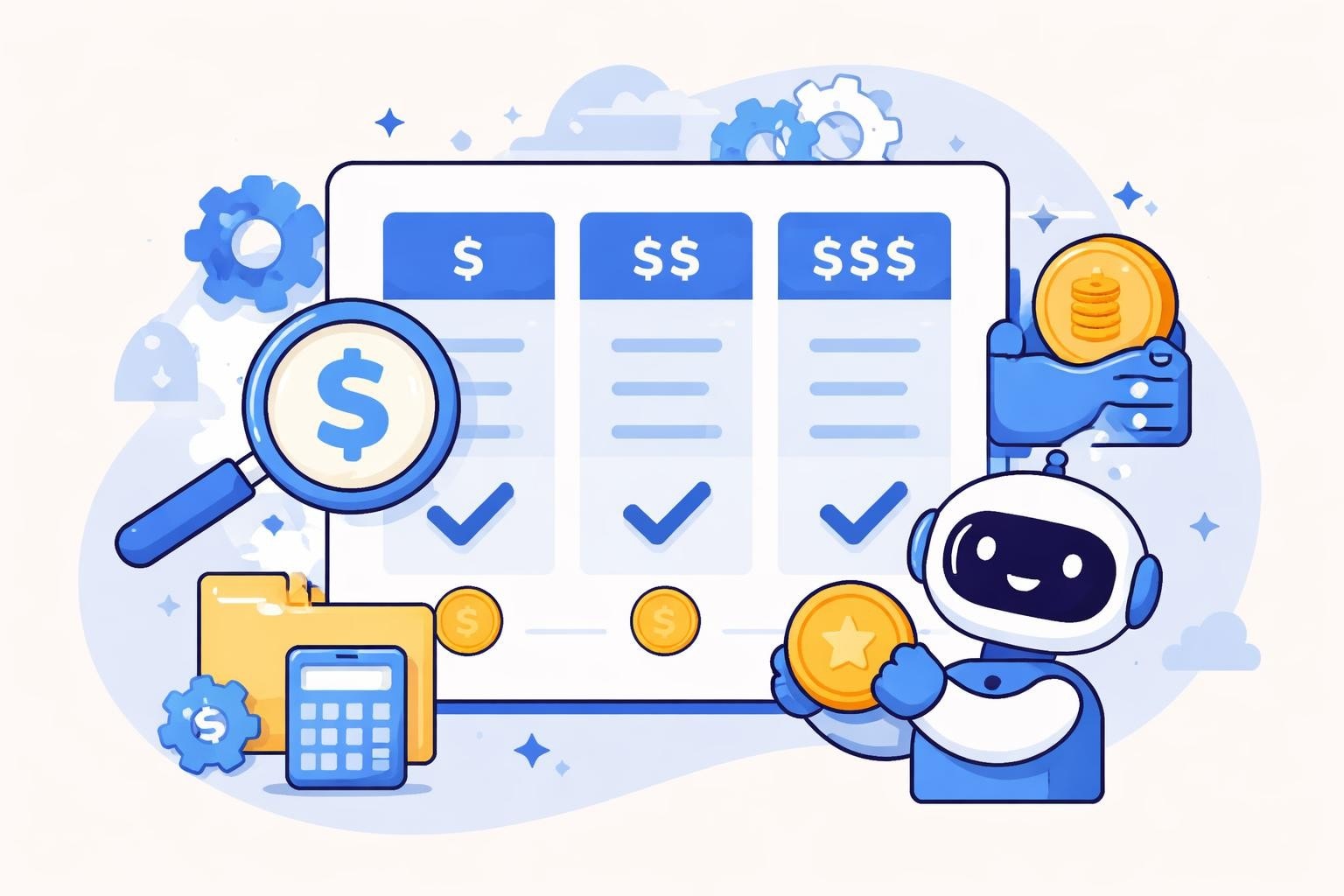
The AI development landscape has evolved dramatically, and platforms like Lovable have emerged as powerful tools for building applications faster than traditional coding methods. Understanding lovable pricing is essential for businesses evaluating whether this AI-powered platform fits their development budget and project requirements. As companies increasingly turn to AI-assisted app builder platforms to accelerate their software development cycles, pricing becomes a critical factor in the decision-making process.
Understanding Lovable's Pricing Structure
Lovable operates on a subscription-based pricing model designed to accommodate different user types and project scales. The platform offers multiple tiers that reflect the varying needs of individual developers, small teams, and enterprise organizations.
The foundational tier provides access to core features with usage limitations that suit hobbyists and developers experimenting with AI-driven development. This entry point allows users to test the platform's capabilities before committing to higher-tier subscriptions.
Key pricing components include:
- Monthly subscription fees
- Token allocation for AI generation
- Project limits per account
- Collaboration features availability
- Export and deployment options
- Priority support levels
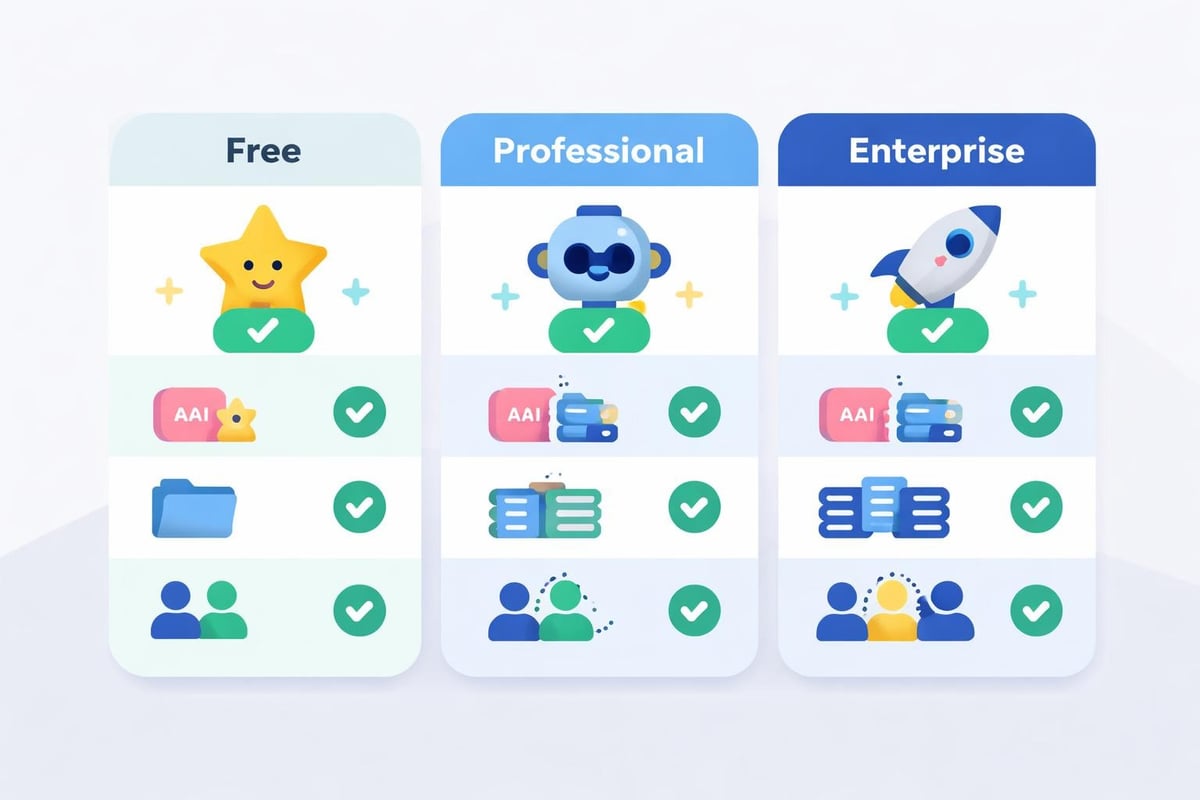
Mid-tier subscriptions unlock additional tokens for AI-powered code generation, allowing for more extensive project development. These plans typically include enhanced collaboration features, making them ideal for small teams and growing startups that need to iterate quickly on multiple applications.
Token-Based Usage Model
Unlike traditional software subscriptions that offer unlimited usage, lovable pricing incorporates a token system that governs AI generation requests. Each time a developer prompts the AI to generate components, pages, or functionality, the system consumes tokens based on the complexity of the request.
This consumption-based approach ensures fair resource allocation across users while preventing system abuse. Simple UI components might cost fewer tokens, while complex database integrations or multi-step workflows consume more credits.
| Request Type | Approximate Token Cost | Use Case |
|---|---|---|
| Basic UI Component | 50-100 tokens | Buttons, forms, cards |
| Page Generation | 200-400 tokens | Landing pages, dashboards |
| Complex Logic | 500-1000 tokens | Workflows, integrations |
| Full Application | 2000+ tokens | Complete MVP builds |
Developers need to budget their token usage strategically throughout the month. Planning ahead and batching similar requests can optimize token efficiency and stretch monthly allocations further.
Comparing Lovable Pricing to Alternatives
When evaluating lovable pricing against competitor platforms, several factors come into play beyond the sticker price. The total cost of ownership includes development speed, code quality, maintenance requirements, and learning curve considerations.
Traditional no-code platforms like Bubble charge primarily based on application performance metrics and user capacity rather than AI generation tokens. For businesses exploring alternatives to Lovable, understanding these different pricing philosophies helps inform the right choice.
Cost-Effectiveness Analysis
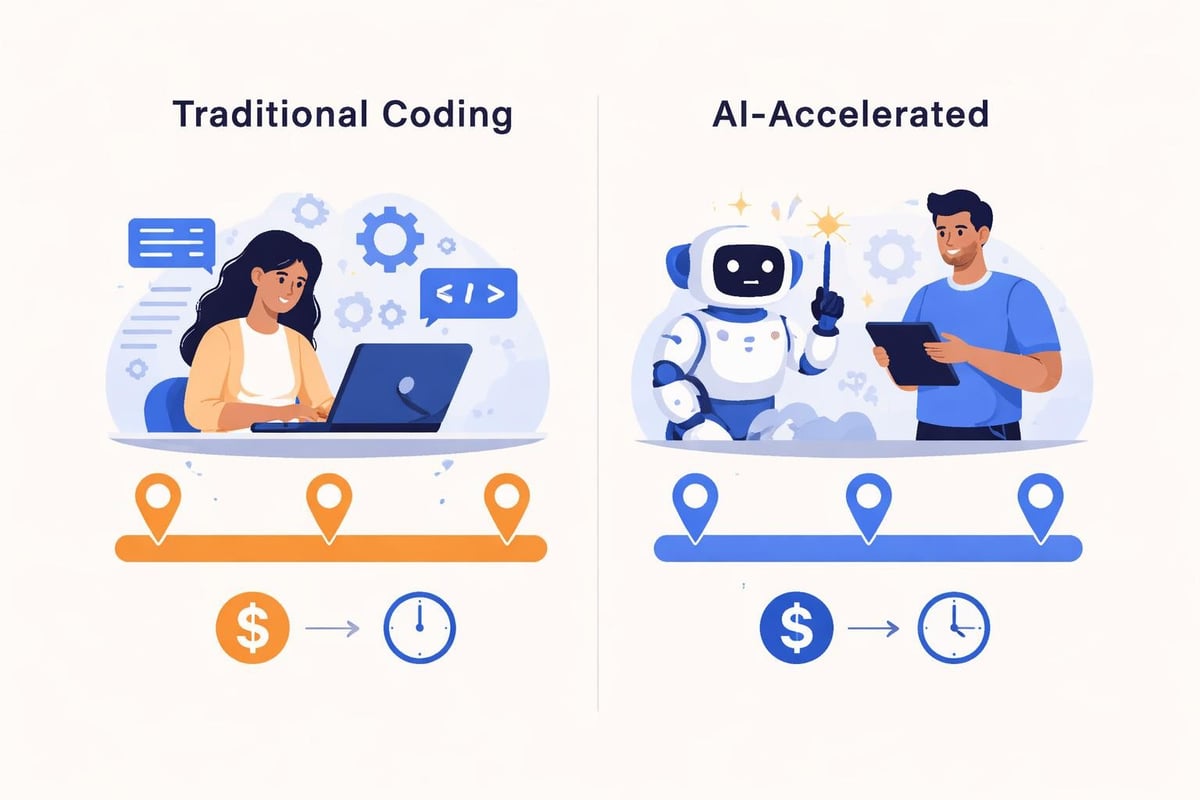
AI-powered development platforms deliver value through acceleration rather than just feature access. A project that might take weeks using traditional methods can potentially be completed in days with Lovable, fundamentally changing the AI software development cost calculation.
Value factors beyond monthly fees:
- Development time reduction (up to 10x faster)
- Lower requirement for specialized coding skills
- Built-in best practices and modern frameworks
- Reduced debugging and testing overhead
- Faster iteration cycles for product refinement
The true ROI calculation must account for developer hourly rates saved. If a developer earning $100/hour saves 40 hours on a project, that represents $4,000 in value even if the subscription costs $200 monthly.
However, lovable pricing becomes less attractive for projects requiring deep customization beyond the platform's AI capabilities. Complex enterprise integrations or highly specialized functionality may still demand traditional development approaches.
Enterprise Pricing Considerations
Large organizations evaluating Lovable face different pricing dynamics than individual developers or small teams. Enterprise agreements typically include custom pricing negotiations based on anticipated usage volumes, team sizes, and support requirements.
Volume Discounts and Custom Plans
Enterprise lovable pricing often includes:
- Dedicated account management
- Custom token allocations negotiated annually
- SSO and advanced security features
- SLA guarantees for uptime and support
- White-label or branding options
- Training and onboarding programs
These additions significantly impact total costs but provide essential governance and compliance features that enterprises require. Companies building multiple internal tools or client-facing applications can negotiate bulk pricing that reduces per-project costs.
| Plan Type | Best For | Starting Price | Key Differentiator |
|---|---|---|---|
| Individual | Solo developers | $20-40/month | Basic token allocation |
| Team | Small agencies | $100-200/month | Collaboration features |
| Enterprise | Large organizations | Custom pricing | Dedicated support |
Organizations should assess their annual development pipeline to determine if enterprise lovable pricing delivers better value than paying for multiple professional subscriptions across team members.
Hidden Costs and Budget Planning
Beyond the advertised subscription fees, several ancillary costs affect the total investment in Lovable as a development platform. Smart budget planning accounts for these often-overlooked expenses.
Additional Service Requirements
While Lovable generates functional code, deploying and maintaining applications requires infrastructure and potentially additional tools:
- Hosting costs for deployed applications
- Database services for production data storage
- Domain registration and SSL certificates
- Third-party API subscriptions for integrations
- Testing and QA tools for quality assurance
When token allocations run out mid-month, developers face choices: wait until renewal, upgrade plans, or purchase additional token packages. Understanding usage patterns helps prevent these bottlenecks, but growing projects may naturally exceed initial estimates.
Training investments also factor into total costs. While Lovable's AI reduces coding requirements, developers still need to learn effective prompting techniques, platform limitations, and best practices for AI-assisted development. This learning curve consumes billable hours during the ramp-up phase.
Optimizing Your Lovable Investment
Maximizing value from lovable pricing requires strategic approaches to token usage, project planning, and platform utilization. Experienced developers develop techniques that stretch monthly allocations while maintaining development velocity.
Efficient Token Management
Prompting strategies that conserve tokens:
- Start with simple requests, then iterate with refinements
- Reuse generated components across multiple projects
- Learn which requests consume more tokens
- Batch similar generation tasks together
- Use manual code adjustments for minor tweaks
Project scoping becomes critical when working within token constraints. Breaking applications into phases allows teams to spread development across multiple billing cycles, preventing token depletion during crucial project stages.
Some developers maintain multiple accounts across tiers, using lower-tier subscriptions for experimentation and reserving professional accounts for production work. While this approach increases monthly costs, it provides flexibility and prevents token shortage emergencies.
Return on Investment Metrics
Measuring lovable pricing value requires tracking specific KPIs:
- Development velocity: Projects completed per month
- Token efficiency: Average tokens per feature
- Code quality: Bug rates and maintenance needs
- Time savings: Hours saved versus traditional coding
- Client satisfaction: Delivery speed and iteration ability

For agencies like those specializing in no-code AI app development platforms, these metrics directly impact profitability and client pricing structures. Understanding the cost per delivered feature enables accurate project quotes that maintain healthy margins.
Pricing Trends and Future Outlook
The AI development platform market continues evolving rapidly, with pricing models shifting as competition intensifies and technology matures. Lovable pricing in 2026 reflects broader industry trends toward consumption-based models and value-aligned pricing.
Market Competition Impact
New entrants and established players alike are experimenting with pricing strategies to capture market share. Some platforms offer generous free tiers to build user bases, while others focus on premium features justified by superior AI capabilities.
Lovable has adjusted its pricing multiple times since launch, typically adding more tokens to existing tiers rather than raising prices. This approach reflects the decreasing cost of AI computation as models become more efficient and infrastructure scales.
Industry pricing trends include:
- Increased token allocations at existing price points
- More granular tier options for diverse user needs
- Introduction of pay-as-you-go options alongside subscriptions
- Credits for referrals and community contributions
- Educational discounts for students and nonprofits
Businesses evaluating long-term commitments to Lovable should consider pricing stability and the platform's track record of grandfather clauses for existing subscribers during price changes.
Making the Pricing Decision
Choosing whether lovable pricing aligns with your development needs requires honest assessment of project types, team capabilities, and budget constraints. The platform excels in specific scenarios while proving less economical for others.
Ideal Use Cases for Lovable
Lovable delivers exceptional value when building:
- MVPs requiring rapid market validation
- Internal tools with standard functionality
- Client prototypes for design feedback
- Applications with familiar patterns and structures
- Projects with tight deadlines and limited budgets
The platform's AI shines when generating conventional application components: dashboards, user authentication, CRUD operations, and common integrations. These represent the majority of business application requirements, making Lovable highly relevant for enterprise development needs.
Conversely, highly specialized applications requiring deep technical customization may exceed what AI generation can efficiently produce. Custom algorithms, complex data processing, or unusual architectural requirements might still warrant traditional development approaches despite higher costs.
Budget Allocation Guidelines
Financial planning for Lovable adoption should follow the 70-20-10 rule:
- 70% toward subscription tiers matching anticipated usage
- 20% for infrastructure and deployment costs
- 10% buffer for overages and experimentation
This distribution ensures adequate resources for both development and operation while maintaining flexibility for unexpected needs. Teams new to AI-assisted development should skew conservatively until usage patterns become clear.
Monthly reviews of token consumption, project output, and development velocity help optimize tier selection. Upgrading or downgrading should align with actual utilization rather than projected needs, preventing both capability constraints and wasteful overspending.
Integration with Development Workflows
Lovable pricing considerations extend beyond the platform itself to how it fits within broader development ecosystems. Teams using multiple tools need to evaluate how Lovable complements or replaces existing investments.
Organizations already committed to platforms like Bubble's no-code platform face decisions about running parallel tools versus consolidating onto a single platform. Each approach carries different cost implications and workflow trade-offs.
Workflow integration factors:
- Compatibility with existing design tools
- Export options for generated code
- Version control and collaboration features
- Testing and deployment pipeline support
- Documentation and handoff capabilities
Some development teams use Lovable for rapid prototyping, then export code to traditional development environments for refinement and production deployment. This hybrid approach leverages AI acceleration while maintaining ultimate control and customization options.
The time investment in learning effective Lovable usage should be considered against the potential time savings. Teams proficient in traditional development might initially find AI-assisted approaches slower until they develop new muscle memory for prompting and iteration techniques.
Understanding lovable pricing requires looking beyond monthly subscription costs to evaluate total value, including development acceleration, reduced complexity, and faster time-to-market. The right choice depends on your specific project portfolio, team capabilities, and growth trajectory. If you're ready to explore how AI-powered development can transform your software delivery while maintaining cost efficiency, Big House Technologies combines expertise in both Lovable and Bubble platforms to deliver scalable solutions tailored to your business needs. Our team helps clients navigate platform selection, optimize development workflows, and maximize ROI from modern no-code and AI development tools.

About Big House
Big House is committed to 1) developing robust internal tools for enterprises, and 2) crafting minimum viable products (MVPs) that help startups and entrepreneurs bring their visions to life.
If you'd like to explore how we can build technology for you, get in touch. We'd be excited to discuss what you have in mind.
Other Articles
Discover how enterprise level application development drives digital transformation in 2025. Explore key strategies, trends, and best practices for success.
We ran an experiment comparing Bubble and Webflow by building identical websites to test SEO and performance. Read on to explore the results and determine which platform offers better features for your business.
Discover the 7 best enterprise software development company picks for 2025. Compare features, pricing, and trends to choose the ideal partner for your business.