

In 2026, the competition to find the right software developer to hire has never been fiercer. Businesses know that the right developer drives innovation and can make or break a project.
With new trends like AI, no-code tools, and remote work changing the hiring game, it’s vital to stay ahead. This guide will walk you through proven steps to secure the perfect fit for your needs.
Discover actionable strategies, avoid costly mistakes, and gain the edge in hiring. Ready to transform your approach? Dive in for expert insights that will help you land top talent.
Understanding the 2026 Software Developer Landscape
The software developer to hire landscape in 2026 is more dynamic and competitive than ever before. Rapid advances in technology, the global shift to remote work, and the rise of new platforms are changing how companies attract and retain top talent. To secure the best software developer to hire, you need to understand the evolving trends, the global nature of talent, and the fierce competition for skilled professionals.
Evolving Technologies and Skills in Demand
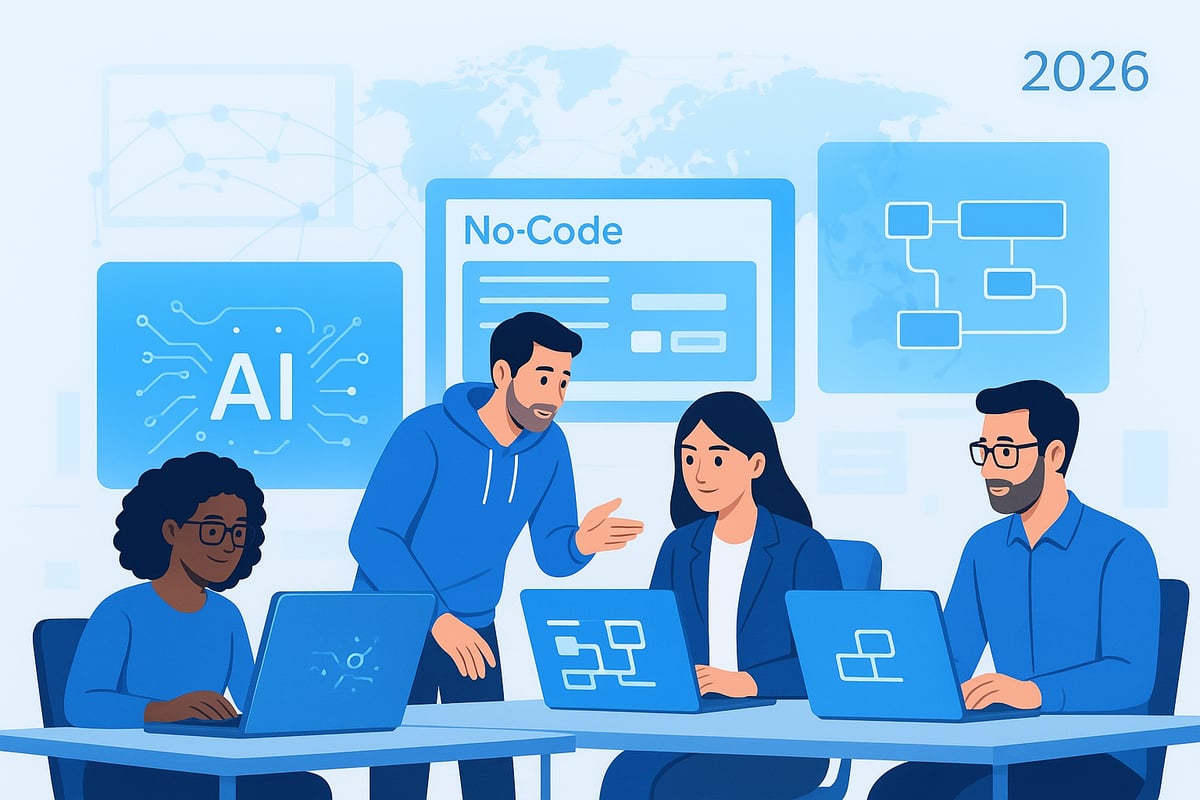
In 2026, the must-have skills for any software developer to hire have shifted dramatically. Artificial intelligence, machine learning, and automation are now at the core of most development projects. Companies are also embracing no-code and low-code platforms, making it possible to build robust applications quickly and with fewer resources.
Programming languages in high demand include Python, JavaScript, TypeScript, Go, and Rust. Employers are looking for versatile developers who can work across the stack and contribute to DevOps, cloud-native environments, and cybersecurity. According to recent industry surveys, 60% of hiring managers now prioritize AI and machine learning experience.
No-code and AI-powered tools are also transforming developer roles, enabling faster delivery and lower costs. For example, Rolls Royce has leveraged real-time monitoring apps built with modern stacks, showcasing the value of staying current with technology. For more details on the latest programming languages and frameworks, see Top tech stacks companies are hiring for in 2025.
Remote, Hybrid, and Global Talent Pools
Remote work is now the norm for many teams, and the search for the best software developer to hire has gone global. Distributed teams offer access to a broader talent pool, but introduce challenges like time zone differences, cross-cultural communication, and legal compliance.
Many companies are turning to nearshore and offshore development centers to find specialized expertise. English fluency and cultural fit are now essential for seamless collaboration across continents. BairesDev, for example, sources bilingual developers from Latin America for North American firms, bridging language and culture gaps while maintaining high technical standards.
The expansion of remote and hybrid models means that companies can tap into new regions for talent, but they must also invest in strong onboarding, clear communication, and flexible work arrangements to ensure productivity and cohesion.
The Competitive Market for Top Developers
With the demand for a software developer to hire outpacing supply, the competition for top talent is intense. The top 1% of developers often have multiple offers and can choose roles that best fit their goals and values. Companies are responding by boosting their employer branding, offering flexible work options, and streamlining onboarding processes.
Leading agencies report receiving over 1 million developer applications annually, but only a small fraction meets the high standards required. To stand out, organizations need a candidate-friendly hiring process that is both efficient and transparent.
A streamlined approach not only attracts the best software developer to hire but also reduces time-to-hire and the risk of losing candidates to competitors. By understanding these trends and adapting your hiring strategy, you can secure the talent needed to drive innovation and success in 2026.
Defining Your Ideal Software Developer Profile
Finding the right software developer to hire is the foundation of every successful tech project. Before you start your search, it’s crucial to define exactly what you need. A clear profile saves time, avoids costly mismatches, and helps you attract top-tier candidates.

Aligning Developer Skills with Business Goals
The first step in identifying the ideal software developer to hire is aligning their skills with your business objectives. Every project is unique, so start by outlining your technical requirements. Do you need front-end, back-end, or full-stack expertise? Are you building an AI-powered app, integrating cloud services, or focusing on e-commerce?
Map out the tech stack your team uses, from React or Node.js to Python and Go. If your industry has specific needs, such as healthcare compliance or fintech security, prioritize candidates with relevant experience. For example, Urban Outfitters boosted profits by 38% after hiring developers with targeted retail and e-commerce skills.
Consider modern approaches too. If you’re working on rapid MVPs or need cost-effective solutions, you might explore hiring a no-code developer. For guidance on this, check out How to Hire a Bubble Developer for actionable tips on sourcing talent for no-code platforms.
By pinpointing the right combination of skills and experience, you set a strong foundation for your project. The clearer your profile, the easier it will be to find the best software developer to hire.
Hard Skills vs. Soft Skills: What Matters Most?
When choosing a software developer to hire, balance hard and soft skills. Technical proficiency is essential—look for coding ability, architectural understanding, testing, DevOps, and security expertise. Yet, the best developers also excel in problem-solving and analytical thinking.
Here’s a quick comparison:
| Hard Skills | Soft Skills |
|---|---|
| Coding (Python, JS) | Communication |
| System Architecture | Teamwork |
| DevOps & Security | Adaptability |
| Testing | Problem-solving |
Top agencies highlight that developers who pivot quickly between tech stacks can save time and reduce project risks. Soft skills are vital in fast-paced, dynamic environments. Effective communication and teamwork ensure ideas flow and issues are resolved fast.
In real-world scenarios, a software developer to hire who adapts to new challenges and collaborates well will outperform someone with technical skills alone. Always test for both skill sets in your hiring process.
Cultural and Organizational Fit
Beyond skills, the right software developer to hire must align with your company’s culture and values. Assess their compatibility with your mission, work style, and collaboration practices. This is especially vital for distributed or remote teams.
Pay close attention to time zone overlap and language proficiency. English fluency and cultural understanding make cross-border teamwork smoother. Companies investing in cultural fit see higher retention and better project outcomes.
Key alignment factors:
- Shared values and mission
- Compatible work style (agile, remote, flexible hours)
- Time zone and language match
- Industry or domain familiarity
For example, organizations with strong cultural alignment report higher developer retention and greater project success. Taking the time to evaluate fit ensures you select a software developer to hire who will thrive in your unique environment.
Where and How to Source Top Software Developer Talent
Finding the right software developer to hire in 2026 can feel like searching for a needle in a haystack. The talent pool is vast, but competition is fierce. Knowing where and how to look makes all the difference.
Sourcing Channels in 2026
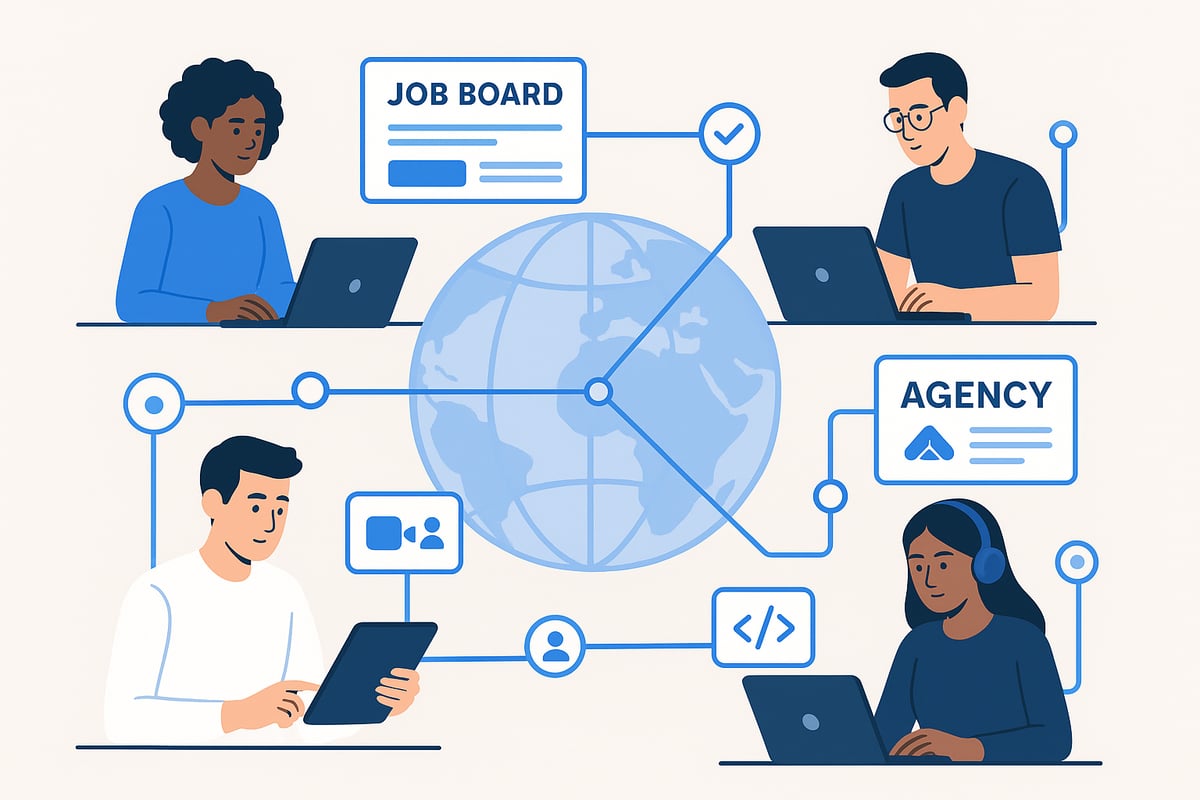
The landscape for finding a software developer to hire is more dynamic than ever. Companies now leverage a variety of channels to reach the best candidates. Here are the top options to consider:
- Job Boards & Coding Platforms: Sites like Stack Overflow, GitHub, and HackerRank remain go-to places for discovering skilled developers. These platforms allow you to review code samples, see contributions, and even post targeted job ads.
- Specialized Agencies & Marketplaces: Agencies such as BairesDev and curated talent marketplaces provide access to pre-vetted developers. They save time by filtering candidates based on your needs, making it easier to find a software developer to hire who matches your requirements.
- Freelance Platforms: If you need flexibility or short-term help, platforms like Upwork and Toptal connect you with global freelancers. However, vetting and consistency can be challenging.
- Professional Networks & Referrals: Tapping into your existing network or alumni groups often yields high-quality recommendations. Personal referrals tend to bring candidates who are a good cultural fit.
- Virtual Tech Events & Hackathons: Participating in online conferences, hackathons, and meetups helps you scout emerging talent and see developers in action.
For startups, sourcing strategies can look a bit different. If you’re navigating the unique challenges of early-stage hiring, check out this guide on Software Development for Startups for more tailored advice.
Choosing the right sourcing channel depends on your timeline, budget, and the type of software developer to hire. Mixing several channels often yields the best results.
Outsourcing, Staff Augmentation, and In-House Hiring
Once you’ve found potential candidates, you’ll need to decide on the best hiring model. Each approach offers distinct advantages and is suited to different business needs. Here’s a quick comparison:
| Model | Speed | Cost | Control | Scalability |
|---|---|---|---|---|
| Outsourcing | Fast | Lower | Moderate | High |
| Staff Augmentation | Fast | Moderate | High | High |
| In-House Hiring | Slower | Highest | Highest | Moderate |
- Outsourcing is ideal when you need a software developer to hire for a specific project or want to scale quickly without long-term commitments.
- Staff Augmentation allows you to extend your existing team with specialized skills, maintaining control while ramping up delivery speed.
- In-House Hiring works best for building core teams and retaining company knowledge, but it usually takes longer and requires more resources.
No matter which model you choose, always prioritize intellectual property protection and ensure NDAs are in place. This safeguards your code and ideas as you onboard any software developer to hire.
Selecting the right approach is crucial to your project's success. Assess your goals, timeline, and available resources before committing.
Evaluating and Shortlisting Candidates: Key Criteria and Vetting Processes
Finding the right software developer to hire can make or break your next project. To succeed in 2026’s hyper-competitive market, companies need a multi-layered approach to vetting talent. Here’s how to evaluate candidates methodically and ensure you shortlist only those who truly fit your needs.
Technical Assessment and Testing
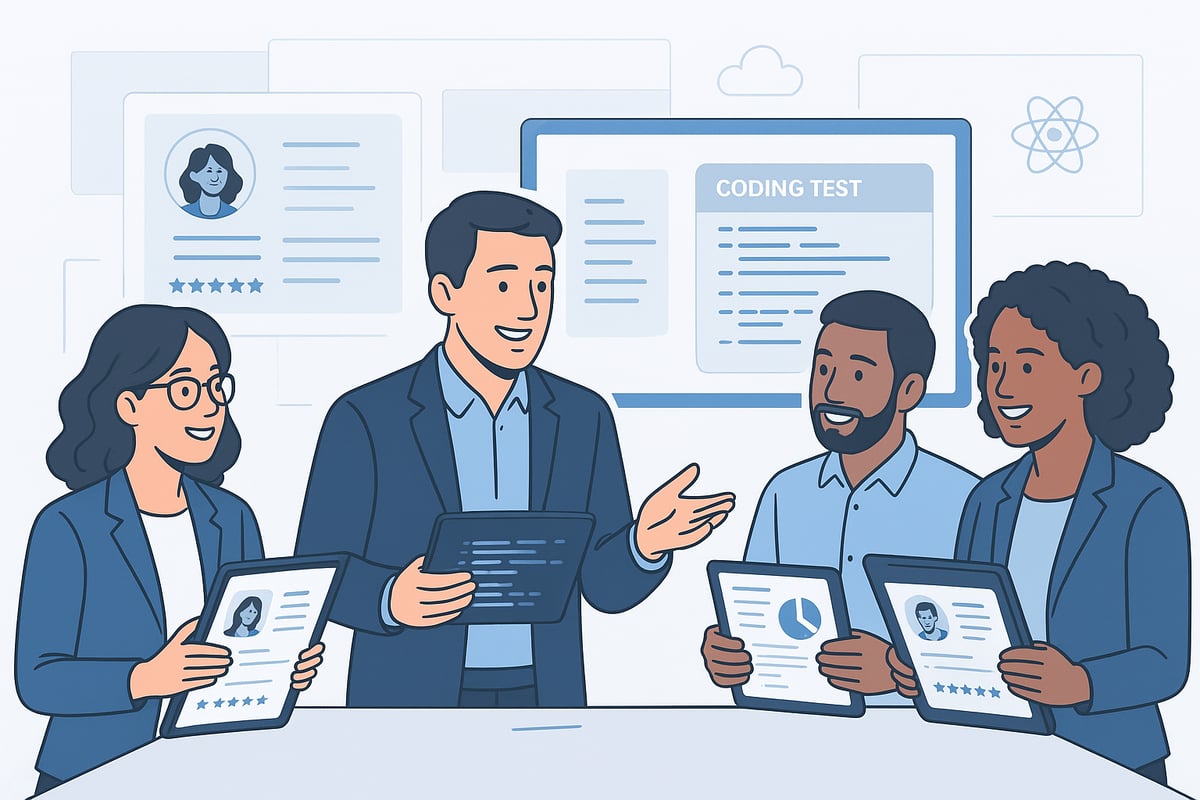
A robust technical assessment is a cornerstone when selecting a software developer to hire. Begin by designing coding tests that reflect real-world challenges your team faces. Use take-home assignments or live coding sessions to observe how candidates approach and solve problems.
Modern tools like Codility, HackerRank, and LeetCode help automate skill evaluation. They can measure both the breadth of programming languages and the depth of specialization. For example, you might ask candidates to build a microservice in Python, then evaluate their understanding of DevOps or security principles.
A quick table can help you compare candidate strengths:
| Assessment Area | What to Look For |
|---|---|
| Coding Skills | Clean, efficient, maintainable code |
| Problem Solving | Creative, structured approaches |
| Tech Stack Mastery | Experience with your frameworks |
By aligning technical tests with your project’s needs, you’re more likely to identify the best software developer to hire.
Soft Skills and Interpersonal Evaluation
Technical prowess is essential, but soft skills often set top candidates apart. When you interview a software developer to hire, focus on communication, teamwork, and adaptability. Structured interviews with behavioral questions can reveal how candidates handle challenges and collaborate remotely.
Consider this sample behavioral question:
Describe a time when you had to quickly learn a new technology to meet a project deadline. How did you approach it?
English proficiency and cross-cultural communication are crucial, especially for distributed teams. Look for candidates who can articulate ideas clearly and adapt to fast-paced, evolving environments.
A developer with strong interpersonal skills can become a key asset, helping your team navigate technical and organizational changes smoothly.
Reference Checks and Portfolio Review
After technical and interpersonal evaluation, it’s time to verify a candidate’s track record. Request code samples, review GitHub repositories, and ask for project portfolios. Analyze their contributions, looking for complexity, innovation, and consistency.
Reference checks are vital. Speak directly with previous employers or clients to confirm reliability and collaboration skills. Top agencies vet thousands of applicants each year, selecting only the best for clients. For more insights on assembling and assessing high-performing teams, explore Evaluating and Building Development Teams.
A thorough portfolio review gives you confidence that your software developer to hire has delivered real value in past roles.
Red Flags and Common Pitfalls
Even the most promising profiles can contain hidden risks. Watch for candidates who exaggerate skills or misrepresent experience. Gaps in communication or poor cultural fit can derail projects, especially in remote or hybrid setups.
Be wary of candidates who avoid technical tests or provide vague answers. The cost of a bad software developer to hire can include missed deadlines, budget overruns, and even project failure.
By building a structured, multi-step vetting process, you reduce these risks and position your team for success with each new hire.
Structuring the Interview and Selection Process
Finding the right software developer to hire in 2026 requires a strategic and structured approach to interviewing and selection. With a highly competitive market, businesses must ensure their process stands out to attract and secure top-tier candidates.
Designing a Multi-Stage Interview Process
A well-structured interview process is essential when searching for the best software developer to hire. Start with an initial HR screening to evaluate motivation, communication, and alignment with your company’s values.
Follow this with technical interviews that include live coding sessions, system design challenges, or whiteboard exercises. These help assess a candidate’s problem-solving abilities and depth of knowledge. Pair programming or trial project stages can offer insights into real-world collaboration and workflow compatibility.
Conclude with final interviews involving stakeholders or team leads to ensure a holistic assessment. This approach allows you to evaluate both hard and soft skills, leading to a well-rounded decision.
Typical Multi-Stage Interview Table:
| Stage | Focus | Who’s Involved |
|---|---|---|
| HR Screening | Fit, Motivation | HR, Recruiter |
| Technical | Coding, Design | Senior Dev, Lead |
| Pair Programming | Collaboration | Team Members |
| Final Interview | Culture, Vision | Stakeholders, Managers |
By mapping out this process, you minimize bias and increase your chances of selecting the ideal software developer to hire for your project.
Ensuring a Candidate-Friendly Experience
In 2026, top candidates often juggle multiple offers. If your process is slow or disorganized, you risk losing your preferred software developer to hire to faster competitors. Streamlining the interview process is not just a courtesy, it is a necessity.
Communicate clearly at every stage, outlining expectations and timelines. Provide prompt feedback after each round. Use modern scheduling tools to reduce friction and respect candidates’ time zones, especially if you are hiring globally.
According to the Global software developer shortage projected to reach 4 million by 2025, demand for skilled developers will only intensify, making a smooth candidate journey essential for securing the right hire. Leading agencies often onboard new developers within two weeks, setting the standard for efficiency and professionalism.
Making the Final Decision
Once you have identified a promising software developer to hire, weigh their technical scores alongside cultural fit and potential for future growth. Involve key team members in the final decision to ensure buy-in and alignment.
Negotiate offers transparently, discussing compensation, benefits, and role expectations upfront. Setting clear guidelines from the beginning helps avoid misunderstandings down the line.
Remember, the best software developer to hire is not only technically strong but also resonates with your company’s mission and working style. By combining a rigorous selection process with thoughtful decision-making, you set the foundation for long-term project success.
Onboarding, Retention, and Setting Up for Success
Bringing a new software developer to hire onto your team is just the beginning. To maximize their impact, a thoughtful onboarding process, a culture of growth, and strong retention strategies are essential. Let’s explore how to set up your next software developer to hire for lasting success.
Effective Onboarding Practices
A seamless onboarding process helps every software developer to hire feel confident and productive from day one. Start with a structured onboarding plan that maps out their first weeks.
- Assign a mentor or buddy for support and guidance.
- Provide immediate access to all necessary tools, documentation, and platforms.
- Introduce them to key team members and clarify communication channels.
Break information into manageable segments, and encourage questions early. This ensures your new software developer to hire can quickly integrate and contribute.
Building a High-Performance Development Culture
To unlock the full potential of any software developer to hire, foster a culture of continuous learning and collaboration. Encourage ongoing upskilling, such as workshops or AI/ML training, and promote open feedback among team members.
Top agencies often provide structured learning paths, regular code reviews, and access to advanced resources. For example, embracing no-code and AI-driven solutions, as outlined in The Key to Faster, More Affordable Software Development, can accelerate onboarding and innovation.
When your software developer to hire feels empowered to grow, they’re more likely to stay and excel.
Retention Strategies in a Competitive Market
With the demand for every software developer to hire higher than ever, retaining top talent is critical. Offer a blend of competitive compensation, flexible work arrangements, and clear growth opportunities.
- Recognize and reward high performers regularly.
- Foster a sense of purpose and belonging within the team.
- Support work-life balance to boost satisfaction and productivity.
Regular check-ins and transparent communication help your software developer to hire feel valued and engaged.
Tracking Performance and Ensuring Project Alignment
Set clear KPIs and performance metrics for your software developer to hire from the start. Use regular check-ins and performance reviews to keep everyone aligned with project goals.
| Metric | Frequency | Purpose |
|---|---|---|
| Code Quality | Weekly | Ensure maintainability |
| Feature Delivery | Bi-weekly | Track project progress |
| Peer Feedback | Monthly | Foster collaboration |
| Goal Reviews | Quarterly | Align with business objectives |
Be ready to adjust roles and responsibilities as your project evolves. This flexible approach ensures your software developer to hire remains motivated and aligned with company objectives.
Now that you know what it takes to hire the best software developer in 2026, why not see how other founders have turned these strategies into real products? Exploring successful projects can spark new ideas and show you what’s possible when you have the right team by your side. If you’re curious about the real-world impact of smart hiring and no code or AI-driven development, take a look at what other entrepreneurs and enterprises have built. You might just find the inspiration or partner you need for your next big project.
See What We’ve Built for Founders Like You

About Big House
Big House is committed to 1) developing robust internal tools for enterprises, and 2) crafting minimum viable products (MVPs) that help startups and entrepreneurs bring their visions to life.
If you'd like to explore how we can build technology for you, get in touch. We'd be excited to discuss what you have in mind.
Other Articles
Discover what is vibe coding, how AI-driven development works, and why it's transforming software creation for businesses in 2026.
Discover the ultimate guide to developing enterprise applications in 2025. Learn step-by-step strategies, tech trends, security, and future-proofing for success.
Learn how to hire full stack programmer talent for your team. Expert tips on skills assessment, interviewing, and finding the right developer fit.