
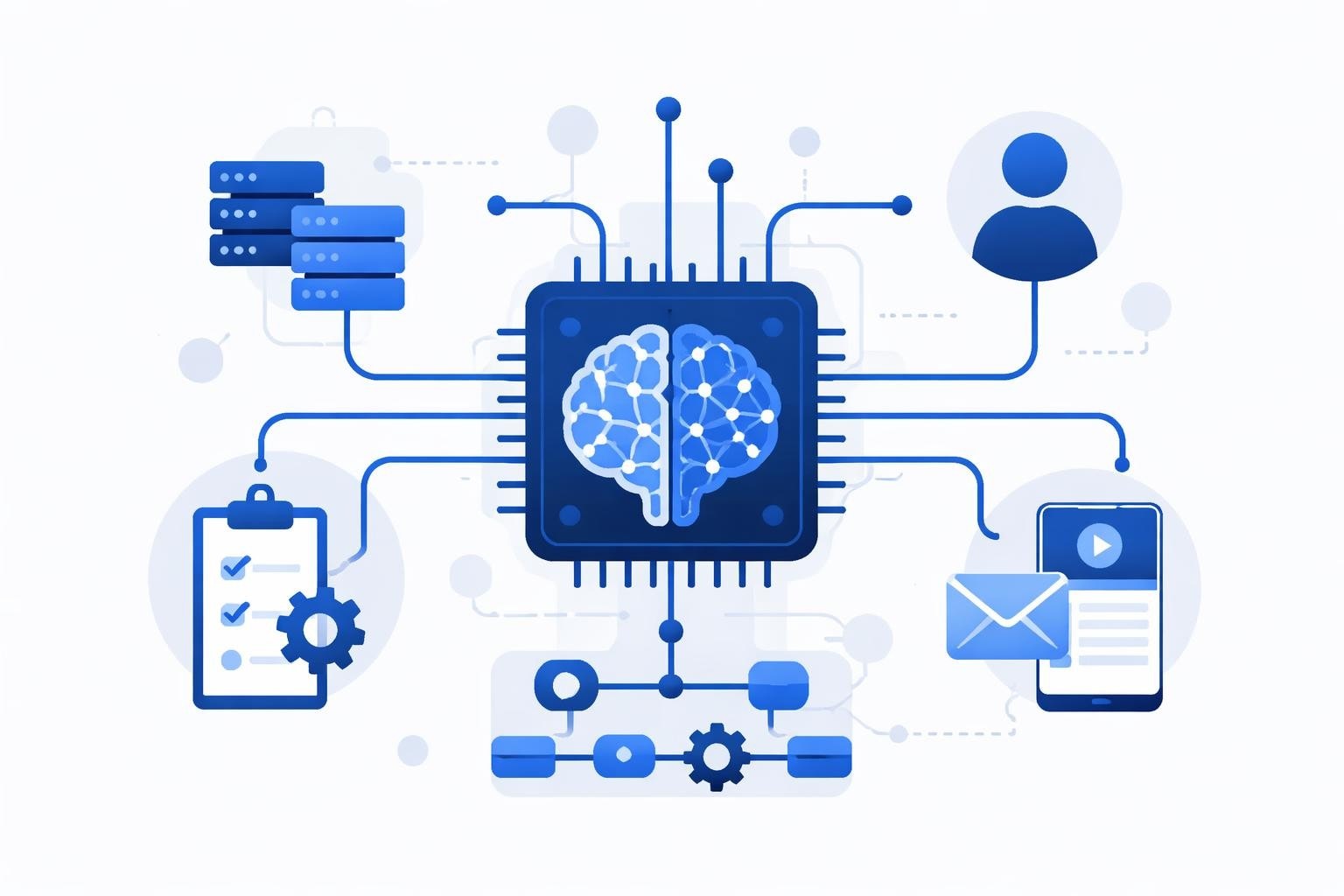
The computing landscape is undergoing a fundamental transformation as artificial intelligence becomes deeply embedded into the core infrastructure of our devices. An ai operating system represents more than just adding smart features to existing platforms. It's a complete reimagining of how computers manage resources, interpret user needs, and execute tasks. Major technology companies are racing to develop AI-native platforms that can understand natural language, anticipate user intentions, and automate complex workflows without explicit programming. For businesses evaluating their technology stack in 2026, understanding the implications of this shift is essential for maintaining competitive advantage and operational efficiency.
Understanding the AI Operating System Architecture
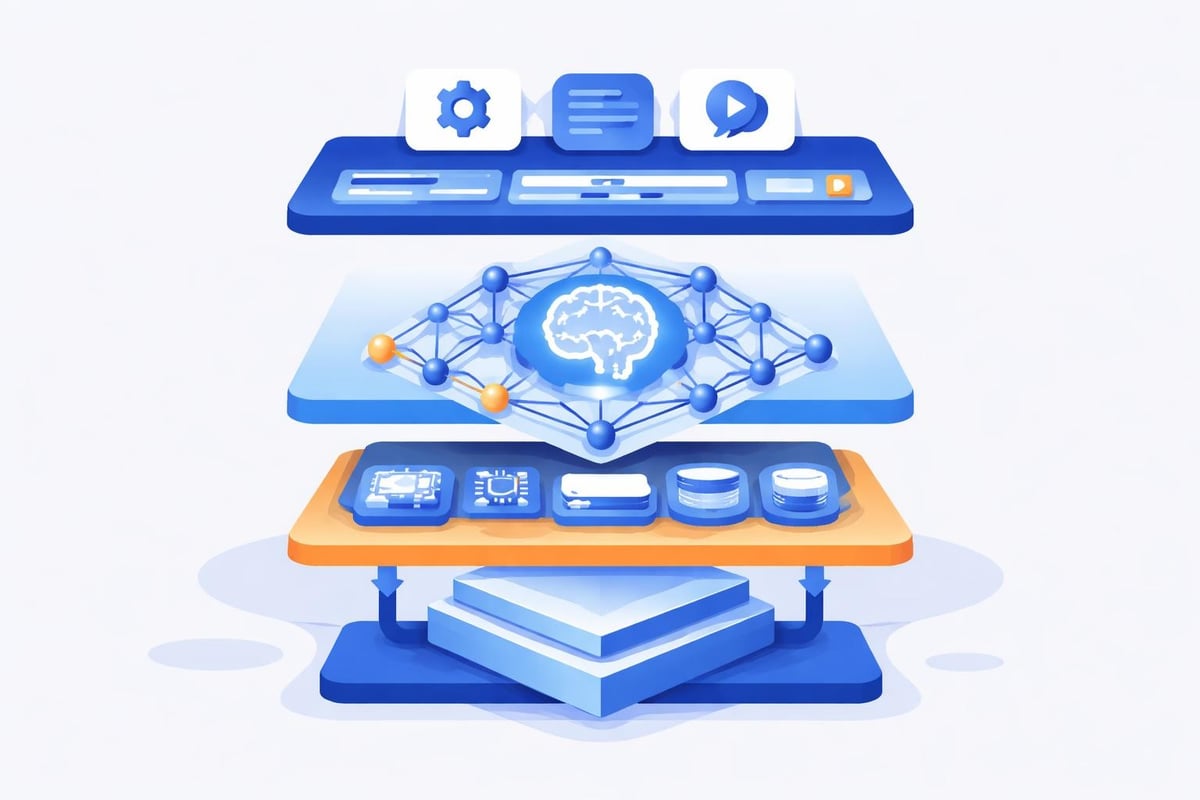
An ai operating system fundamentally differs from traditional operating systems by integrating machine learning models directly into the kernel layer. Rather than treating AI as an application-level feature, these systems embed neural networks throughout the entire computing stack.
The architecture typically includes several key components working in concert:
- Intelligent resource allocation that predicts application needs before they're requested
- Natural language processing layers that translate human commands into system operations
- Automated workflow engines that learn user patterns and optimize routine tasks
- Context-aware security modules that adapt protection based on threat assessment
- Cross-application data integration that breaks down traditional software silos
Traditional operating systems respond to explicit commands. An ai operating system anticipates needs based on historical patterns, current context, and predicted future states. This proactive approach reduces cognitive load on users and accelerates task completion.
The Evolution from AI-Enhanced to AI-Native
Microsoft's commitment to making Windows 11 AI-native marks a critical inflection point in operating system development. The distinction between AI-enhanced and AI-native platforms is more than semantic.
AI-enhanced systems add intelligence features on top of existing architectures. You might have a voice assistant or smart search, but the core operating system functions remain unchanged. AI-native platforms rebuild fundamental operations around machine learning capabilities from the ground up.
Google's rumored Aluminium OS exemplifies this AI-first approach, unifying Android and ChromeOS with intelligence woven throughout the entire user experience. The platform reportedly uses continuous learning to adapt interface elements, predict app launches, and optimize battery performance based on individual usage patterns.
Practical Applications for Enterprise Environments
Businesses implementing AI operating systems gain significant operational advantages across multiple domains. The integration of AI agents in Windows 11 demonstrates how natural language processing can simplify complex system configurations.
Workflow Automation and Task Management
An ai operating system excels at identifying repetitive workflows and automating them without explicit programming. For companies building AI-powered no-code development tools, this capability aligns perfectly with the goal of democratizing software creation.
Consider a typical product development cycle:
- Requirement gathering where the AI system analyzes meeting transcripts and extracts actionable items
- Resource allocation that matches team members to tasks based on availability and skill profiles
- Progress tracking that automatically updates stakeholders based on repository commits and communication patterns
- Quality assurance where the system identifies potential issues by comparing current work against historical project data
- Deployment coordination that schedules releases during optimal windows based on user activity analytics
This level of automation dramatically reduces administrative overhead while maintaining consistency across projects.
| Traditional OS Approach | AI Operating System Approach | Efficiency Gain |
|---|---|---|
| Manual task scheduling | Predictive resource allocation | 40-60% time savings |
| Static security rules | Adaptive threat response | 70% faster incident detection |
| App-specific data silos | Cross-platform intelligence | 3x faster insights |
| Reactive troubleshooting | Predictive maintenance | 80% reduction in downtime |
Development Environment Integration
For teams working on MVP software development, an ai operating system can accelerate every phase of the creation process. The platform learns coding patterns, suggests architectural improvements, and identifies potential bugs before they reach production.
The system monitors developer behavior across multiple tools simultaneously. When a programmer switches from their code editor to documentation, the AI anticipates which API references they need based on the current code context. It preloads relevant documentation, suggests code snippets, and even identifies similar implementation patterns from previous projects.
Business Intelligence and Decision Support
An ai operating system transforms raw data into actionable insights without requiring specialized analytics software. The platform continuously monitors all system activities, user interactions, and application data flows to build comprehensive operational models.
Real-time analytics capabilities include:
- Automatic identification of performance bottlenecks across applications
- Predictive modeling for resource requirements during peak usage periods
- Anomaly detection that flags unusual patterns requiring human investigation
- Natural language query interfaces for non-technical stakeholders
This democratization of data analysis means executives can ask questions in plain English and receive sophisticated analytics without understanding SQL or business intelligence tools.
Security and Compliance Automation
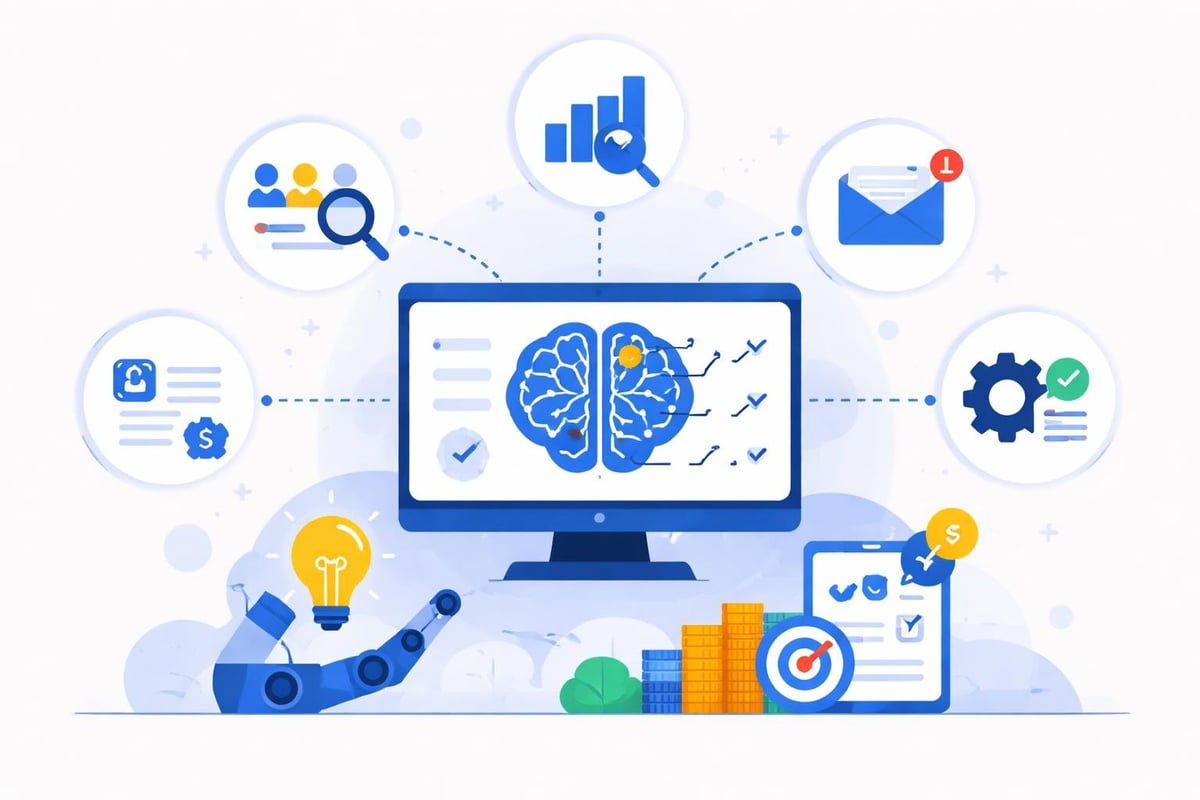
Traditional security approaches rely on predefined rules and signatures. An ai operating system employs behavioral analysis to detect threats that haven't been seen before. The system establishes baseline patterns for normal user behavior, application resource consumption, and network traffic.
When deviations occur, the AI evaluates risk in context. A developer accessing repositories at midnight might be normal during a release week but suspicious during vacation periods. The system weighs multiple factors simultaneously to make nuanced security decisions.
For enterprises managing sensitive data, compliance monitoring becomes automated. The ai operating system tracks data access patterns, ensures proper encryption protocols, and generates audit trails automatically. When regulations change, updating compliance requirements happens through natural language policy definitions rather than complex rule configurations.
Implementation Challenges and Considerations
Despite significant benefits, adopting an ai operating system presents several challenges that organizations must address strategically. The complex branding and technical requirements around AI PCs illustrate the current fragmentation in the market.
Hardware Requirements and Cost Implications
AI-native operating systems demand substantial computational resources, particularly for on-device processing. Neural processing units (NPUs) have become essential components, adding cost to hardware procurement.
Organizations must evaluate whether cloud-based AI processing or local computation better serves their needs. Cloud approaches reduce hardware costs but introduce latency and data privacy concerns. Local processing requires significant upfront investment but provides faster response times and complete data control.
Budget considerations include:
- Minimum 16GB RAM for basic AI functionality, 32GB+ for professional workloads
- Dedicated NPU or GPU with at least 8GB VRAM for optimal performance
- Increased power consumption ranging from 15-30% over traditional systems
- Potential network infrastructure upgrades for cloud-hybrid deployments
Data Privacy and Model Training
An ai operating system learns from user behavior to provide personalized experiences. This continuous learning raises important privacy questions. What data gets collected? Where is it stored? Who has access to behavioral models?
Forward-thinking companies are establishing clear policies around AI training data. Employees need transparency about what the system monitors and how that information improves their experience. Some organizations implement federated learning approaches where models train locally without transmitting raw data to central servers.
Integration with No-Code Development Platforms
The convergence of AI operating systems and no-code platforms creates powerful synergies for rapid application development. When businesses hire bubble developers, they gain expertise in visual programming. Combining that with an ai operating system that understands development intent accelerates the creation process exponentially.
Intelligent Development Assistance
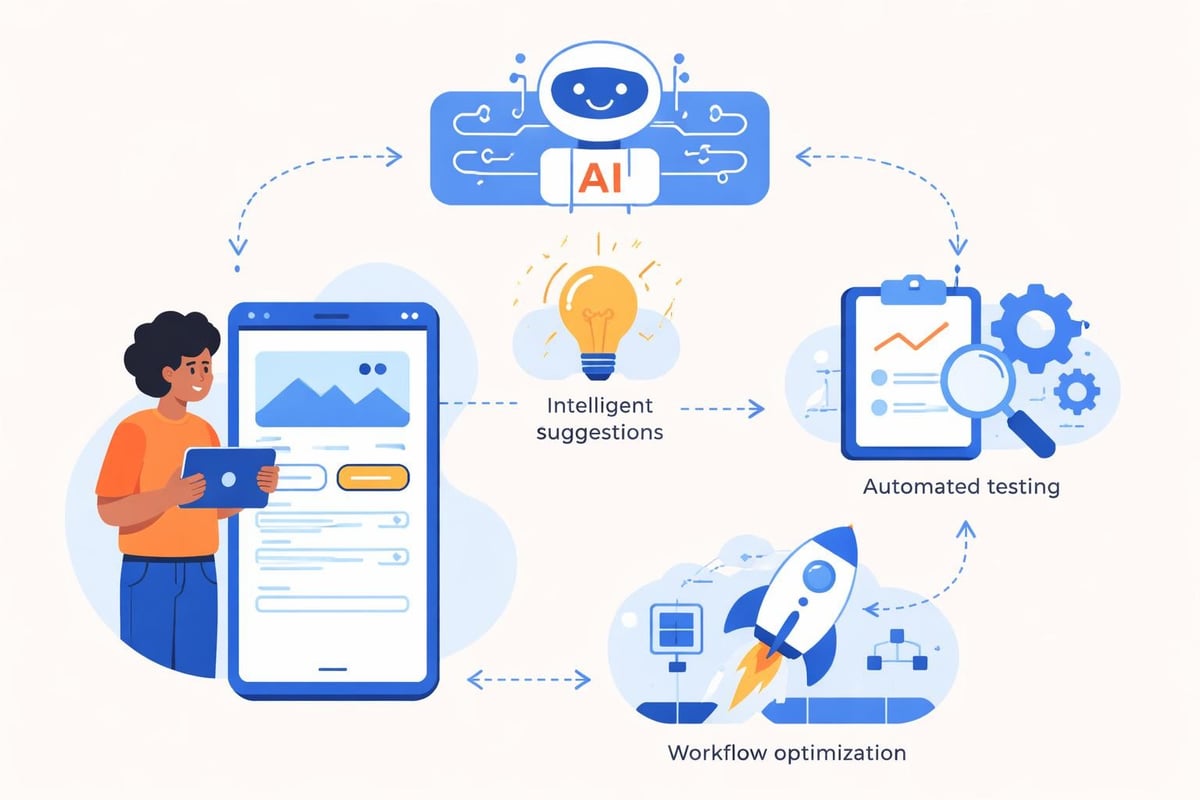
An ai operating system monitors no-code development activities and provides contextual assistance. As a developer builds database schemas in a visual editor, the AI suggests optimal field types, relationships, and validation rules based on similar successful implementations.
The system can automatically:
- Generate test data sets that reflect realistic usage patterns
- Identify potential performance issues before deployment
- Suggest UI/UX improvements based on accessibility guidelines
- Create documentation by analyzing workflow logic and user interactions
This intelligent assistance is particularly valuable for nocode startups where small teams need to maximize productivity without sacrificing quality.
Automated DevOps and Deployment
Traditional deployment pipelines require extensive configuration and maintenance. An ai operating system simplifies this complexity through learned automation. The platform observes successful deployment patterns and replicates them for new projects.
When issues arise during deployment, the AI doesn't just log errors. It analyzes root causes, suggests fixes, and can automatically implement solutions for common problems. This reduces the specialized DevOps knowledge required to maintain production applications.
| Manual DevOps Process | AI-Automated DevOps | Impact |
|---|---|---|
| 2-3 hours pipeline setup | 15 minutes guided configuration | 85% faster |
| Manual rollback decisions | Automatic failure detection and revert | Zero-downtime deployments |
| Static monitoring rules | Adaptive performance baselines | 60% fewer false alerts |
| Weekly maintenance windows | Continuous optimization | 24/7 operation |
Emerging AI Operating System Platforms
Several notable platforms are pushing the boundaries of what an ai operating system can achieve. While some show tremendous promise, others reveal the current limitations of AI-generated software.
Nothing's ambitious plans for a hyper-personalized AI-native OS demonstrate how smaller companies are challenging established players. Their approach focuses on creating unique system configurations for individual users rather than one-size-fits-all experiences.
Conversely, experiments like Vib-OS highlight the gap between AI capability and production-ready operating systems. Fully AI-coded systems currently lack the reliability and performance required for professional use, though they provide valuable insights into automated development limitations.
AIOS and Academic Research
The AIOS framework from academic researchers provides a foundation for understanding how large language models can be integrated into operating system architecture. This open-source project offers developers practical examples of AI agent deployment within OS environments.
Research platforms like AIOS accelerate commercial development by validating architectural approaches and identifying integration challenges. Enterprises benefit from these academic contributions when evaluating vendor solutions and planning custom implementations.
Consumer-Focused AI Operating Systems
Platforms like EAZY OS target personal productivity rather than enterprise applications. These systems demonstrate how an ai operating system can manage daily life tasks, from scheduling appointments to ordering groceries based on inventory monitoring.
While consumer platforms may seem disconnected from business applications, they often pioneer interface paradigms that eventually migrate to professional environments. Voice-first interactions, predictive task suggestions, and ambient computing concepts frequently appear in consumer products before enterprise adoption.
Strategic Planning for AI OS Adoption
Organizations considering AI operating system adoption need comprehensive strategies that address technical, organizational, and financial dimensions. The decision impacts infrastructure, workflows, and employee experiences across the entire company.
Phased Implementation Approach
Rather than attempting organization-wide deployment, successful companies implement AI operating systems incrementally:
- Pilot programs with technically sophisticated teams who can provide detailed feedback
- Departmental rollouts focusing on areas with clear automation opportunities
- Cross-functional expansion after establishing best practices and training materials
- Enterprise-wide deployment with ongoing optimization and refinement
This measured approach allows organizations to identify issues, adjust configurations, and build internal expertise before broad adoption creates dependencies.
Success metrics for each phase should include:
- Task completion time reductions for common workflows
- Employee satisfaction scores with AI assistance features
- Quantifiable productivity improvements in target departments
- ROI calculations comparing implementation costs against efficiency gains
- Security incident rates and response times
Training and Change Management
An ai operating system changes how employees interact with technology fundamentally. Comprehensive training programs must address both technical skills and conceptual understanding of AI capabilities and limitations.
Effective training covers natural language interaction patterns, data privacy practices, and troubleshooting approaches when AI suggestions don't align with intended outcomes. Organizations should also establish clear escalation paths for situations requiring human intervention despite AI assistance.
Future Developments and Market Trajectory
The ai operating system market continues evolving rapidly as companies refine architectures, improve model efficiency, and expand capability boundaries. Industry analysts predict that by 2028, over 60% of new enterprise computers will ship with AI-native operating systems as the default configuration.
Emerging trends shaping the next generation include:
- Federated learning approaches that improve models without compromising privacy
- Multi-modal interfaces combining voice, gesture, and traditional input methods
- Edge computing integration that processes AI workloads locally for faster response
- Quantum computing preparation with hybrid classical-quantum architectures
- Sustainability features that optimize power consumption through intelligent resource management
For businesses leveraging AI product development tools, staying informed about operating system capabilities ensures applications take full advantage of platform intelligence. The most successful products will be those designed specifically for AI-native environments rather than simply ported from traditional platforms.
Vendor Selection Criteria
Choosing the right ai operating system requires evaluating multiple factors beyond basic functionality. Organizations should assess vendor commitment to backward compatibility, update frequency, developer ecosystem strength, and long-term viability.
Enterprises must also consider lock-in risks. Proprietary AI models and data formats can create migration challenges if switching vendors becomes necessary. Open standards and interoperability should factor heavily into selection decisions.
The shift toward AI operating systems represents a fundamental transformation in how businesses interact with technology, offering unprecedented automation, intelligence, and efficiency. As these platforms mature, organizations that strategically adopt and optimize AI-native environments will gain significant competitive advantages through accelerated workflows, improved decision-making, and reduced operational complexity. Whether you're building sophisticated enterprise applications or launching an innovative startup, Big House Technologies can help you leverage AI operating systems and no-code platforms to bring your vision to life efficiently and cost-effectively.

About Big House
Big House is committed to 1) developing robust internal tools for enterprises, and 2) crafting minimum viable products (MVPs) that help startups and entrepreneurs bring their visions to life.
If you'd like to explore how we can build technology for you, get in touch. We'd be excited to discuss what you have in mind.
Other Articles
Compare Cursor vs Copilot for AI-powered development. Explore features, pricing, and performance to choose the right coding assistant in 2026.
Discover the ultimate dev mvp guide for 2025 Learn essential steps to build, launch, and scale your MVP faster while minimizing risk and boosting success
Discover how to choose the perfect no-code platform for your enterprise by evaluating scalability, integration, and security needs. Empower innovation with the right tools and expert guidance from Big House.