
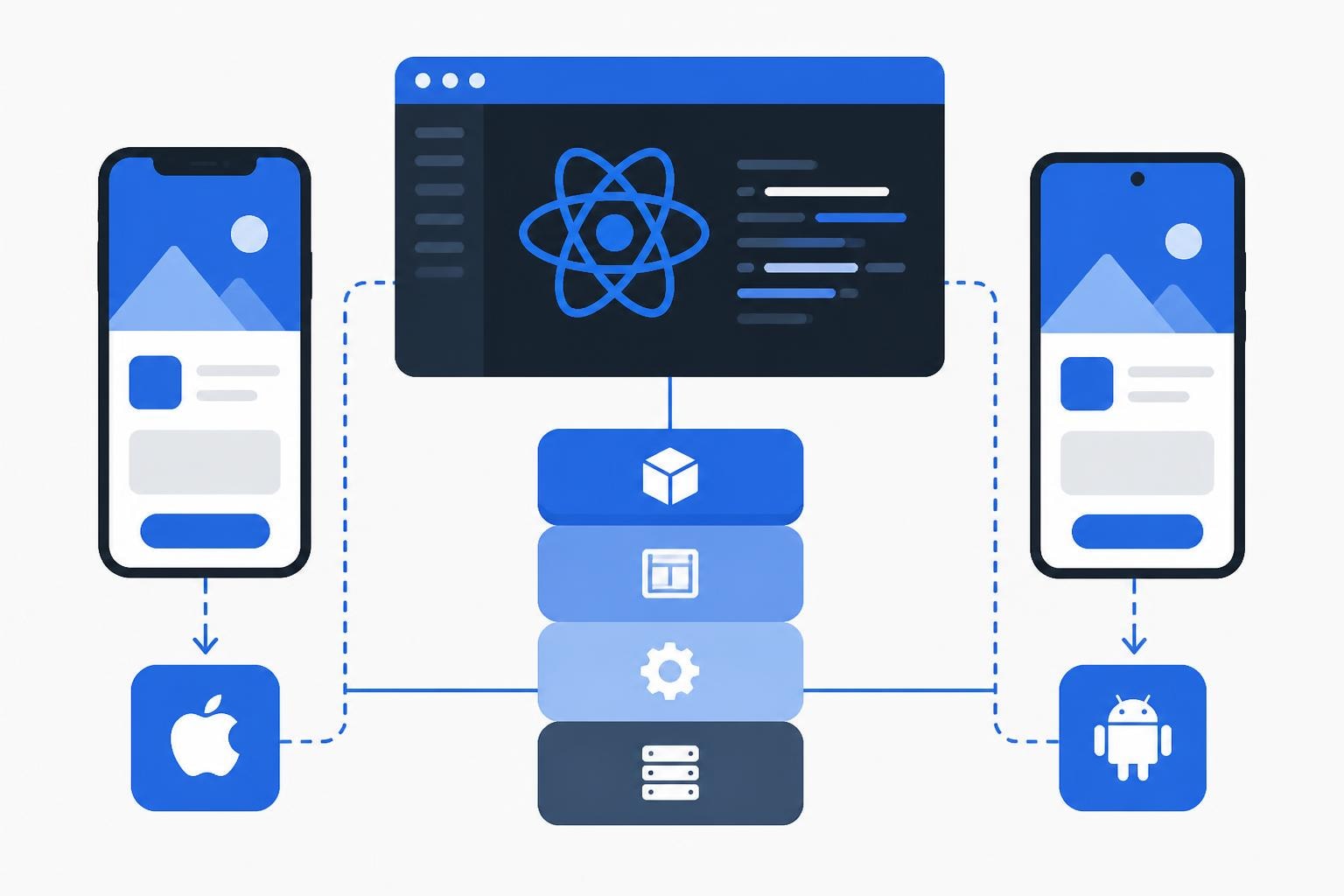
The mobile app development landscape in 2026 continues to evolve rapidly, and businesses face critical decisions about which technologies to adopt for their products. React Native remains one of the most popular frameworks for cross-platform mobile development, powering applications for companies ranging from startups to Fortune 500 enterprises. When you hire React Native developers, you're investing in a technology that delivers native-like performance while maintaining a single codebase across iOS and Android platforms. This comprehensive guide explores the essential considerations, technical requirements, and strategic approaches for building a talented React Native development team that aligns with your business objectives.
Understanding the React Native Developer Landscape in 2026
The demand for skilled React Native developers has intensified as more organizations recognize the framework's value proposition. Unlike traditional native development that requires separate teams for iOS and Android, React Native enables a unified approach that reduces development time and costs by up to 40 percent.
Current market dynamics include:
- Senior developers commanding hourly rates between $80 and $150 in North America
- Mid-level talent available at $50 to $90 per hour
- Offshore teams offering competitive rates from $25 to $60 per hour
- Contract versus full-time considerations based on project scope and duration
The talent pool has matured significantly since React Native's initial release. Today's developers bring deep expertise in JavaScript, mobile architecture patterns, and platform-specific optimizations. According to comprehensive hiring checklists for 2026, successful candidates demonstrate proficiency across multiple dimensions including technical foundations, mobile-specific competencies, and collaborative capabilities.
The Technical Stack Modern Developers Must Master
When you hire React Native developers, the technical requirements extend far beyond basic JavaScript knowledge. Modern practitioners need a sophisticated understanding of multiple technologies and frameworks that comprise the React Native ecosystem.
Core technical competencies include:
- JavaScript and TypeScript expertise with ES6+ features
- React fundamentals including hooks, context API, and component lifecycle
- Native module integration for iOS (Swift/Objective-C) and Android (Java/Kotlin)
- State management using Redux, MobX, or Context API
- Navigation libraries such as React Navigation or React Native Navigation
- Performance optimization techniques and profiling tools
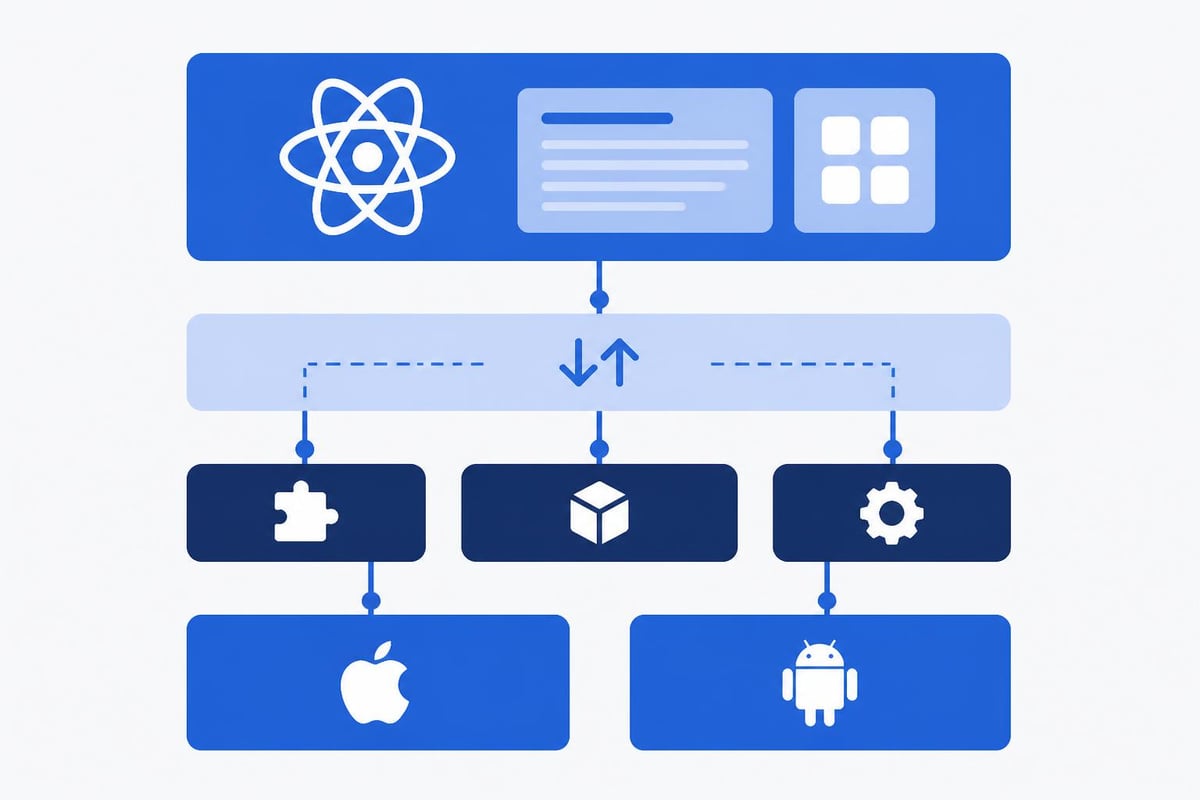
Beyond these foundations, developers should demonstrate familiarity with modern tooling including Metro bundler, Flipper for debugging, and automated testing frameworks like Jest and Detox. The ability to work with RESTful APIs, GraphQL, and real-time data synchronization represents another critical capability tier. Just as no-code platforms have transformed development workflows, React Native's evolution continues to reshape mobile development practices.
Essential Skills and Experience Requirements
The gap between adequate and exceptional React Native developers often comes down to specialized knowledge areas that directly impact application quality and maintainability. When evaluating candidates, focus on both technical depth and practical experience delivering production applications.
Mobile-Specific Competencies That Matter
React Native development requires understanding mobile platforms at a deeper level than web development. Successful developers navigate platform-specific challenges while maintaining cross-platform code consistency.
| Competency Area | iOS Focus | Android Focus |
|---|---|---|
| Platform APIs | Core Location, HealthKit, ARKit | Google Play Services, Room Database |
| UI Guidelines | Human Interface Guidelines | Material Design |
| App Store Submission | TestFlight, App Store Connect | Google Play Console, AAB format |
| Performance Tools | Xcode Instruments | Android Profiler |
Developers should also understand mobile-specific concerns like battery optimization, offline functionality, push notifications, and biometric authentication. The comprehensive 2026 checklist for hiring emphasizes these mobile-native capabilities as differentiators between junior and senior talent.
Evaluating Previous Project Experience
Past projects reveal how developers approach real-world challenges. When reviewing portfolios and work history, examine the complexity and scale of applications they've built.
Key evaluation criteria include:
- Applications with 50,000+ active users demonstrating scalability expertise
- Complex state management in apps with multiple data sources
- Third-party integrations including payment gateways, analytics, and social platforms
- Experience with continuous integration and deployment pipelines
- App Store and Google Play Store approval processes
Ask candidates to walk through architectural decisions they made on previous projects. Strong developers articulate trade-offs between different approaches and explain how they balanced performance, maintainability, and development velocity. Similar to how MVP development requires strategic planning, successful React Native projects demand thoughtful architecture from the outset.
Where and How to Find Qualified Candidates
The challenge isn't just knowing what to look for when you hire React Native developers, but knowing where to find them. The sourcing strategy directly impacts the quality and diversity of your candidate pipeline.
Traditional and Emerging Hiring Channels
Multiple channels serve different hiring needs, from urgent contract work to building long-term teams. Each platform attracts distinct developer profiles with varying experience levels and rate expectations.
Top sourcing platforms:
- Toptal and Gun.io for pre-vetted senior developers
- Upwork and Freelancer for contract-based engagements
- LinkedIn Recruiter for direct outreach to passive candidates
- Stack Overflow Jobs for technical community engagement
- AngelList for startup-focused developers
- Local tech meetups and React Native conferences for networking
Geographic considerations remain important even in remote-first environments. Developers in Eastern Europe, South America, and Southeast Asia offer compelling combinations of skill and cost-effectiveness. Time zone overlap with your core team enables real-time collaboration while maintaining budget efficiency.
Crafting Compelling Job Descriptions
Generic job postings attract generic candidates. Effective descriptions communicate your project's technical challenges, growth opportunities, and team culture while filtering for specific competencies.
A well-structured React Native developer job description includes several critical elements:
- Specific technical requirements rather than exhaustive technology lists
- Project context explaining what you're building and why it matters
- Team structure and collaboration expectations
- Growth opportunities including learning budgets and mentorship
- Clear compensation ranges to attract appropriately experienced candidates
Highlight unique aspects of your technology stack or domain that might appeal to developers seeking specific experience. If you're building in healthcare, fintech, or other specialized verticals, emphasize domain expertise as a valuable differentiator.
The Interview and Assessment Process
Once you've attracted qualified candidates, the selection process determines whether you hire React Native developers who will genuinely excel on your team. A structured, multi-stage approach balances technical validation with cultural fit assessment.
Technical Assessment Strategies
Technical interviews should evaluate practical problem-solving abilities rather than obscure theoretical knowledge. Real-world scenarios reveal how candidates think through challenges and implement solutions.
Effective assessment components:
- Code review exercises where candidates analyze and improve existing React Native code
- Live coding sessions building small features with typical mobile requirements
- System design discussions architecting a React Native application at scale
- Performance debugging identifying and resolving common mobile performance issues
- Take-home projects (paid, 3-4 hours max) demonstrating end-to-end capabilities
The essential technical foundations article outlines specific areas to probe during technical interviews, including navigation patterns, state management architectures, and native module creation. Balance technical rigor with respect for candidates' time by keeping interview processes to 3-4 stages maximum.
Behavioral and Collaboration Assessment
Technical skills represent only half the equation. Developers who communicate effectively, accept feedback constructively, and contribute to team culture deliver disproportionate value over their careers.
Ask situational questions that reveal:
- How they've handled conflicting technical opinions on previous teams
- Their approach to documenting code and architectural decisions
- Experience mentoring junior developers or being mentored
- Methods for staying current with React Native's rapid evolution
- Strategies for balancing technical debt against feature development
Strong answers demonstrate self-awareness, continuous learning habits, and collaborative mindsets. Just as enterprises evaluate no-code platforms for internal tools, technical teams must assess how developers integrate into existing workflows and contribute beyond individual code contributions.
Cost Considerations and Budget Planning
Understanding the true cost to hire React Native developers extends beyond hourly rates or salaries. Comprehensive budget planning accounts for direct compensation, tooling, overhead, and opportunity costs of different hiring models.
Comparing Hiring Models and Associated Costs
Different engagement models suit different project phases and organizational structures. Each approach carries distinct cost profiles and trade-offs.
| Hiring Model | Average Cost Range | Best For | Key Considerations |
|---|---|---|---|
| Full-time employee | $90K - $180K/year | Long-term product development | Benefits, equity, training costs |
| Contract developer | $50 - $150/hour | Specific features or timelines | No benefits, flexible duration |
| Offshore team | $25 - $60/hour | Cost-sensitive projects | Communication, time zones |
| Development agency | $100 - $200/hour | Complete project delivery | Higher rates, faster execution |
Full-time employees provide maximum alignment with company goals but require ongoing investment regardless of project phases. Contract developers offer flexibility for variable workloads or specialized expertise. According to expert cost analysis for 2026, agencies command premium rates but deliver integrated teams with proven processes and faster time-to-market.
Hidden Costs and Budget Buffers
Direct compensation represents just one component of true hiring costs. Smart budget planning anticipates the full spectrum of expenses associated with building and maintaining a React Native team.
Additional cost factors include:
- Development tools and services (Apple Developer Program, Google Play Console, CI/CD platforms)
- Third-party libraries and API subscriptions
- Device testing requirements (physical iOS and Android devices)
- Code signing certificates and security tools
- Ongoing training and professional development
- Recruitment fees or platform commissions
Allocate 20-30 percent beyond base compensation for these ancillary costs. Buffer additional reserves for unexpected challenges like platform API changes, performance optimization sprints, or App Store rejection remediation. The same cost-consciousness that drives organizations toward low-cost MVP development approaches should inform React Native team budgeting.
Onboarding and Integration Best Practices
Successfully onboarding developers when you hire React Native developers determines how quickly they deliver value and how well they integrate with existing teams. Structured onboarding reduces time-to-productivity from weeks to days.
Technical Onboarding Essentials
New developers need immediate access to codebases, development environments, and architectural documentation. Comprehensive technical onboarding eliminates friction and establishes productive patterns from day one.
Critical onboarding elements:
- Development environment setup with detailed documentation and scripts
- Codebase tour highlighting key architectural patterns and module organization
- Local build and deployment to both iOS and Android emulators
- Testing infrastructure overview including unit, integration, and E2E tests
- Code review process and style guide expectations
- Communication channels for technical questions and team collaboration
Create a first-week project that touches multiple areas of the codebase without being mission-critical. This hands-on experience accelerates learning while producing tangible value. Document common setup issues and their solutions to continuously improve the onboarding experience.
Cultural Integration and Team Dynamics
Technical proficiency means little without effective team integration. Successful onboarding builds relationships, establishes communication norms, and aligns new developers with team values.
Schedule one-on-one meetings with key stakeholders including product managers, designers, and senior developers. These conversations provide context about product strategy, user needs, and technical roadmap that formal documentation often misses. Encourage new team members to ask questions publicly in shared channels, creating knowledge artifacts that benefit the entire team.

Regular check-ins during the first 30 days identify integration challenges early. Ask specifically about documentation gaps, unclear processes, and areas where additional support would help. Just as AI development platforms continue evolving, team dynamics require ongoing attention and refinement.
Managing and Retaining Top React Native Talent
Hiring exceptional developers represents just the beginning. Retention strategies that keep top performers engaged and growing determine long-term team success and knowledge continuity.
Professional Development and Growth Paths
React Native evolves rapidly with quarterly releases and shifting best practices. Developers who stagnate technically become liabilities rather than assets. Investment in continuous learning pays dividends through improved code quality and faster feature delivery.
Effective growth strategies include:
- Conference attendance budgets for React Native EU, Chain React, and App.js Conf
- Online course subscriptions for platforms like egghead.io and Frontend Masters
- Dedicated learning time (4-6 hours per week) for new technologies and patterns
- Internal knowledge sharing through tech talks and code review discussions
- Mentorship programs pairing senior and junior developers
- Clear career progression frameworks with technical and leadership tracks
Regular skill assessments identify growth areas and align development investments with career aspirations. Encourage developers to contribute to open-source React Native libraries, building public portfolios while giving back to the community.
Recognition and Compensation Strategies
Competitive compensation extends beyond base salary. Comprehensive packages acknowledge contributions through multiple dimensions while aligning incentives with company success.
| Compensation Element | Purpose | Typical Structure |
|---|---|---|
| Base salary | Core compensation | Market rate for role/experience |
| Performance bonus | Reward exceptional delivery | 10-20% of base salary |
| Equity/stock options | Long-term alignment | 0.1-0.5% for senior developers |
| Learning budget | Professional development | $2,000-5,000 annually |
| Flexible work arrangements | Work-life balance | Remote options, flexible hours |
Annual compensation reviews should reflect both market conditions and individual growth. Developers who expand their skills into new areas like AI tool integration or architectural leadership deserve recognition through increased compensation and expanded responsibilities.
Evaluating Long-Term Team Scalability
As products grow and user bases expand, development team structures must evolve accordingly. Planning for scalability when you hire React Native developers prevents future bottlenecks and technical debt accumulation.
Building Sustainable Team Structures
Single developer teams create knowledge silos and operational risks. Thoughtful team design distributes expertise while maintaining efficient communication patterns.
Scaling considerations at different stages:
- 0-10K users: 1-2 developers focusing on feature delivery
- 10K-100K users: 3-5 developers with specialized roles (features, infrastructure, quality)
- 100K-1M users: 8-12 developers organized into feature teams with platform specialists
- 1M+ users: Multiple teams aligned by product area with shared platform team
Each scaling stage demands different organizational patterns. Small teams benefit from generalists who move fluidly across the stack. Larger teams require specialists in performance optimization, platform-specific features, and developer tooling. The complete guide to hiring React Native developers emphasizes matching team structure to product maturity and technical complexity.
Planning for Technical Evolution
React Native's architecture and best practices shift as the framework matures. Teams that resist evolution accumulate technical debt that eventually becomes insurmountable.
Stay ahead of technical evolution by:
- Allocating 15-20 percent of development capacity to platform upgrades and refactoring
- Monitoring React Native roadmap and preparing for breaking changes
- Evaluating new architecture patterns like React Native's New Architecture
- Assessing alternative frameworks periodically to validate technology choices
- Building modular architectures that enable gradual migrations
Research initiatives like REUNIFY for static analysis demonstrate ongoing innovation in React Native tooling. Teams that embrace new capabilities while maintaining stability deliver superior long-term value.
Alternative Approaches: No-Code and Hybrid Solutions
While React Native excels for complex mobile applications, not every project justifies traditional development approaches. Evaluating alternatives ensures you select the optimal solution for specific business requirements and constraints.
When No-Code Platforms Make Sense
No-code development has matured significantly, offering viable alternatives for certain mobile application categories. Organizations should evaluate whether traditional development represents the best path forward or if faster, more cost-effective approaches suffice.
No-code advantages for specific scenarios:
- Internal business tools with straightforward CRUD operations
- MVP validation before committing to custom development
- Applications with primarily form-based interactions
- Projects with limited budgets or aggressive timelines
- Situations where rapid iteration matters more than platform-specific optimization
Platforms like Bubble enable sophisticated web applications that function effectively on mobile browsers. For organizations exploring this path, understanding how to build an MVP with no-code provides strategic context for technology selection. The decision between hiring React Native developers versus leveraging no-code platforms depends on project complexity, performance requirements, and long-term maintenance considerations.
Hybrid Strategies Combining Approaches
Forward-thinking organizations don't view technology choices as binary decisions. Hybrid strategies leverage different platforms for different components, optimizing for total project value rather than technical purity.
Consider hybrid approaches where:
- Administrative dashboards use no-code platforms while customer-facing mobile apps use React Native
- Content management happens through no-code backends with React Native consuming APIs
- Rapid prototyping validates concepts in no-code before React Native implementation
- Internal tools built with no-code free development resources for customer applications
This pragmatic approach maximizes development efficiency while maintaining quality where it matters most. Organizations benefit from agencies experienced in both Bubble and traditional development who can recommend optimal technology combinations for specific requirements.
Successfully building a React Native development team requires strategic thinking about technical requirements, hiring channels, assessment processes, and long-term retention. The decisions you make when you hire React Native developers shape product quality, development velocity, and technical scalability for years to come. Whether you need a full development team, specialized expertise for specific features, or strategic guidance on mobile technology selection, Big House Technologies brings deep experience across no-code platforms, AI development tools, and traditional mobile frameworks to deliver solutions that balance speed, cost, and quality for your unique requirements.

About Big House
Big House is committed to 1) developing robust internal tools for enterprises, and 2) crafting minimum viable products (MVPs) that help startups and entrepreneurs bring their visions to life.
If you'd like to explore how we can build technology for you, get in touch. We'd be excited to discuss what you have in mind.
Other Articles
Discover the best database for no-code platforms in 2026. Compare Airtable, PostgreSQL, Firebase, and more for enterprise and startup needs.
Learn how to connect SendGrid to your Bubble app with this step-by-step guide, fix sender verification issues, and unlock email automation for MVPs, AI tools, and enterprise apps.
Master build tooling in 2025 with this beginner-friendly guide. Learn key concepts, choose the right tools, and set up efficient workflows for faster development.