
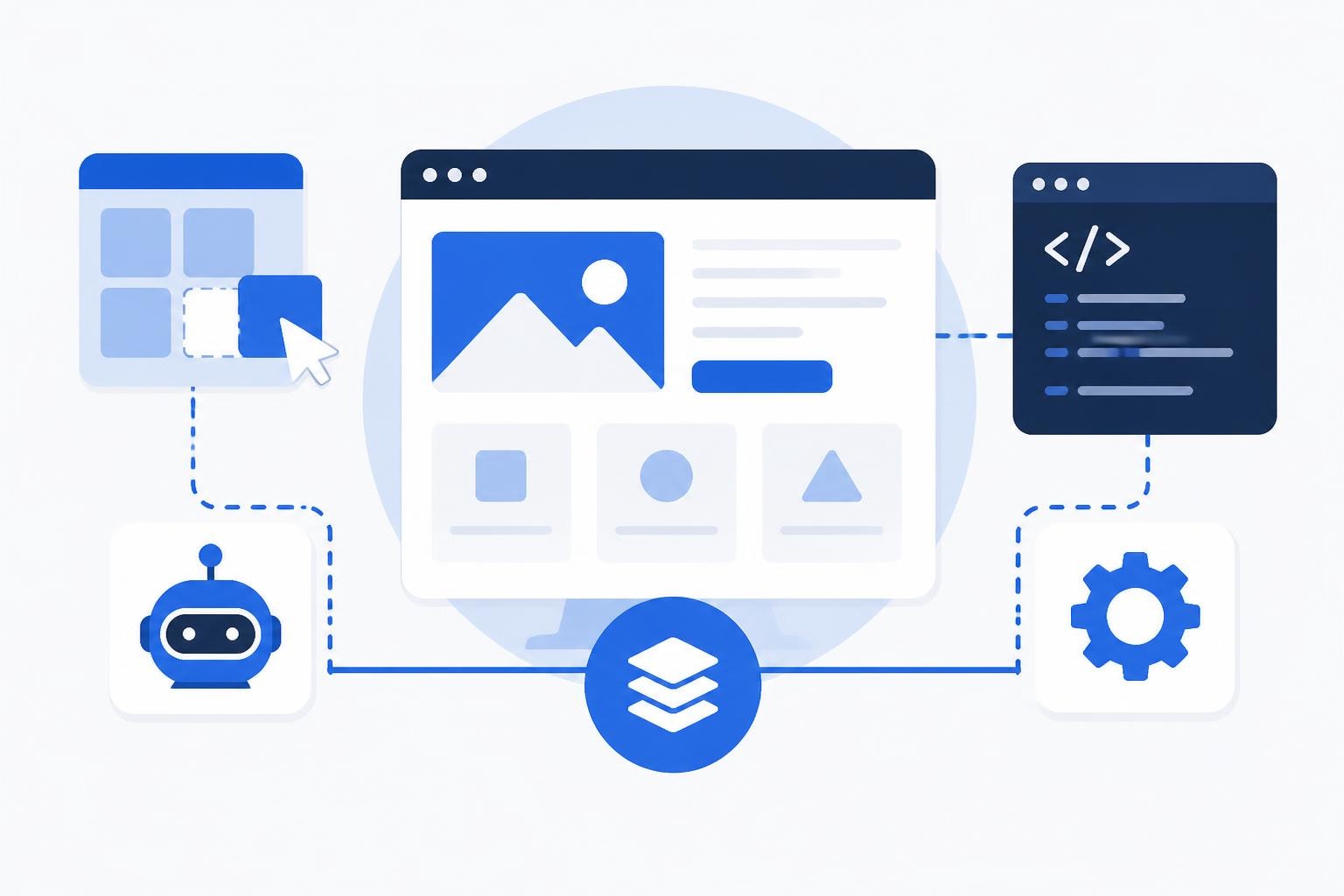
The landscape of software and website development has transformed dramatically over the past few years, with no-code platforms and AI-powered tools reshaping how businesses approach digital product creation. In 2026, organizations face a crucial decision: whether to invest in traditional custom development, embrace no-code solutions, or adopt a hybrid approach that leverages the strengths of both methodologies. Understanding the best practices for building robust software and website solutions has become essential for enterprises and startups alike, particularly as speed-to-market and cost-efficiency increasingly dictate competitive advantage.
The Modern Approach to Software and Website Development
Today's development landscape demands a strategic balance between speed, quality, and scalability. The traditional waterfall approach has largely given way to more agile methodologies that prioritize iterative development and continuous improvement.
No-code platforms have revolutionized how teams approach software and website creation, enabling non-technical stakeholders to participate directly in the development process. This democratization of development doesn't eliminate the need for technical expertise but rather amplifies what development teams can accomplish within constrained timelines and budgets.
Planning and Requirements Analysis
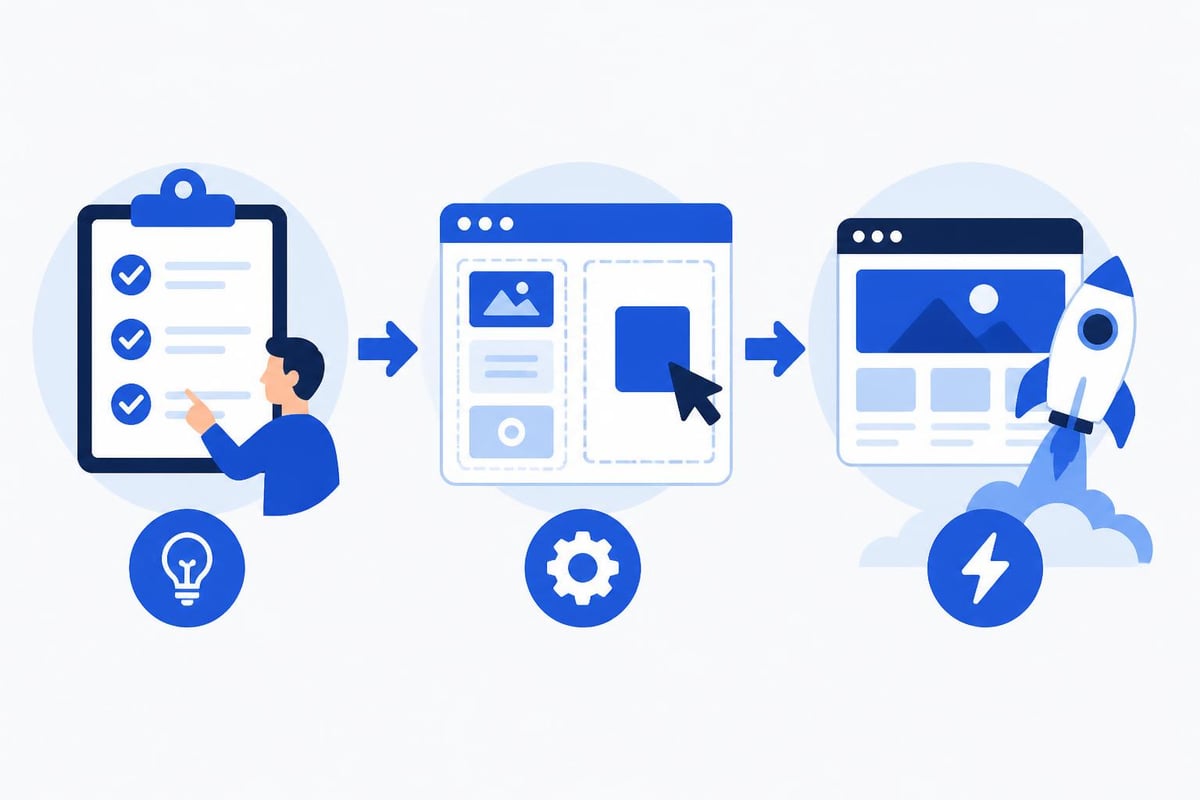
Before writing a single line of code or configuring any platform, successful projects begin with comprehensive planning. Proper project planning and requirements analysis forms the foundation of any successful software and website initiative.
- Define clear functional and non-functional requirements
- Break down complex projects into smaller, trackable milestones
- Identify potential technical constraints early
- Establish success metrics and KPIs
- Document user stories and acceptance criteria
The planning phase should also include a thorough evaluation of whether a no-code solution, traditional development, or hybrid approach best serves the project goals. As discussed in our comparison of no-code versus custom code costs, the right choice depends on factors like project complexity, timeline requirements, and long-term scalability needs.
Architecture and Design Principles
Software and website architecture determines how well a solution scales, maintains performance under load, and adapts to changing business requirements. Even within no-code environments, architectural decisions significantly impact long-term success.
| Architectural Principle | Traditional Development | No-Code Development |
|---|---|---|
| Modularity | Custom modules and microservices | Reusable components and plugins |
| Scalability | Manual infrastructure configuration | Platform-managed scaling |
| Data Structure | Custom database schema | Visual data models and relationships |
| Integration | API development | Pre-built connectors and API workflows |
For businesses exploring database options, understanding which database works best for no-code platforms becomes crucial for ensuring data integrity and query performance as applications grow.
Development Best Practices for Quality and Speed
The execution phase of software and website development requires adherence to proven practices that minimize technical debt while maximizing development velocity. Software development best practices have evolved to accommodate both traditional coding and visual development approaches.
Version Control and Collaboration
Even in no-code development, version control remains critical. Modern platforms provide built-in version history, but teams should implement systematic approaches to managing changes.
Version control practices include:
- Maintain clear naming conventions for versions and branches
- Document changes with descriptive commit messages
- Implement review processes before merging changes
- Create rollback strategies for failed deployments
- Use staging environments for testing before production
The importance of version control extends beyond tracking changes. It enables team collaboration, reduces conflicts during concurrent development, and provides insurance against catastrophic errors.
Code Quality and Maintainability
Whether writing custom code or configuring visual workflows, maintainability should guide every decision. Clean and maintainable code practices apply equally to no-code development, where complex workflows can become just as difficult to maintain as poorly written code.
Key maintainability principles:
- Keep workflows and functions focused on single responsibilities
- Use descriptive naming for variables, workflows, and components
- Document complex logic and business rules
- Refactor repetitive patterns into reusable components
- Implement consistent styling and formatting standards
Teams using platforms like Bubble for application development must be particularly diligent about organizing workflows and data structures to prevent maintenance nightmares as applications scale.
Website Performance and Optimization
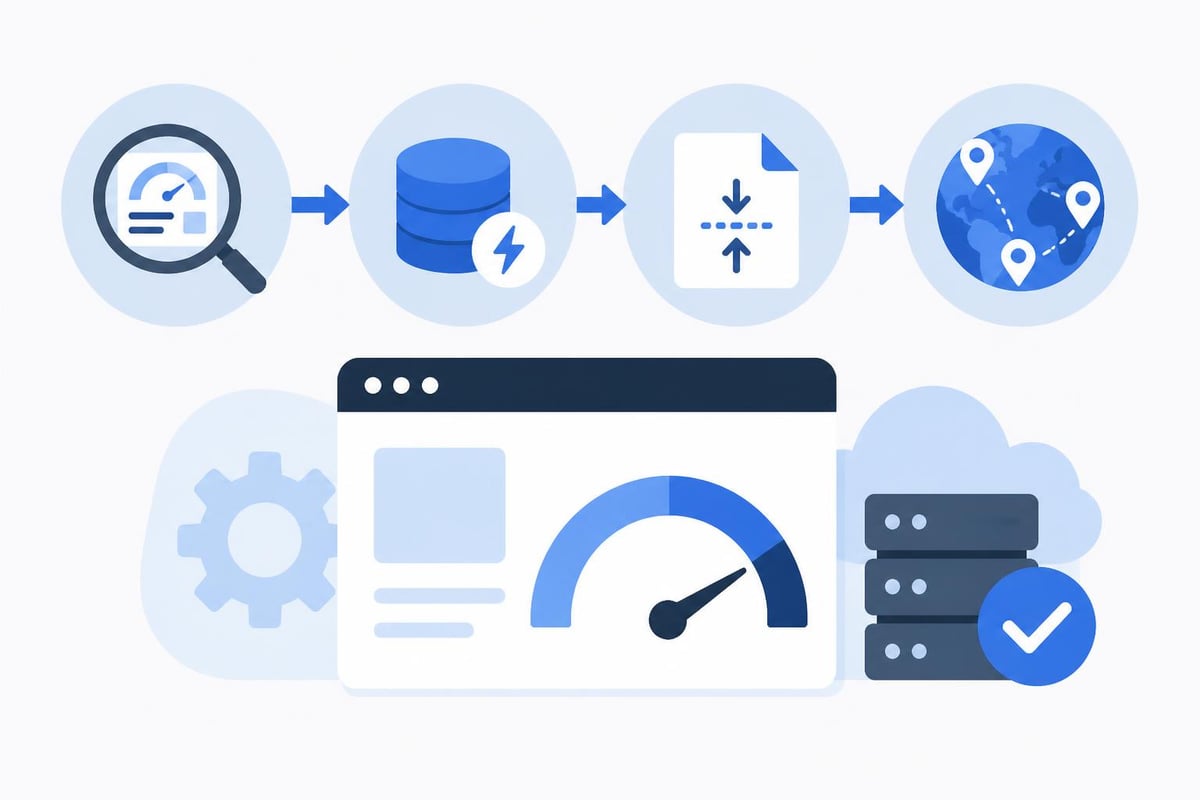
Performance optimization directly impacts user experience, search engine rankings, and conversion rates. Software and website performance requires attention throughout the development lifecycle, not just as an afterthought before launch.
Critical Performance Metrics
Modern websites must deliver exceptional performance across devices and network conditions. Web performance best practices provide comprehensive guidance on optimizing the critical rendering path and minimizing load times.
| Performance Metric | Target | Impact |
|---|---|---|
| First Contentful Paint | < 1.8s | User perception of speed |
| Largest Contentful Paint | < 2.5s | Load performance |
| Time to Interactive | < 3.8s | User engagement readiness |
| Cumulative Layout Shift | < 0.1 | Visual stability |
Responsive Design and Accessibility
Software and website solutions must work seamlessly across devices and remain accessible to users with disabilities. Website development best practices emphasize responsive design, accessibility standards, and progressive enhancement.
Responsive design isn't just about mobile compatibility. It requires thoughtful consideration of how content, navigation, and functionality adapt across screen sizes and input methods.
Accessibility considerations include:
- Semantic HTML structure for screen readers
- Keyboard navigation support
- Sufficient color contrast ratios
- Alternative text for images and media
- ARIA labels for complex interactive elements
For ecommerce businesses building on platforms like Shopify, communities like Talk Shop provide valuable insights into optimizing performance and conversion rates through their extensive Discord network and merchant-focused content.
Security and Data Protection
Security considerations must be baked into software and website development from the beginning. The consequences of security breaches extend far beyond immediate financial costs, damaging brand reputation and customer trust.
Security Best Practices
Modern applications face increasingly sophisticated threats. Development best practices emphasizing security help teams build robust defenses into their applications.
- Authentication and Authorization: Implement multi-factor authentication, use secure session management, and enforce principle of least privilege
- Data Encryption: Encrypt sensitive data at rest and in transit using industry-standard protocols
- Input Validation: Sanitize and validate all user inputs to prevent injection attacks
- Dependency Management: Regularly update dependencies and monitor for known vulnerabilities
- Security Testing: Conduct regular penetration testing and vulnerability assessments
No-code platforms often handle many security concerns at the infrastructure level, but developers must still implement application-level security controls appropriately. Understanding platform security features and limitations is essential when evaluating AI-powered development tools and platforms.
Compliance and Privacy
Regulatory compliance adds another layer of complexity to software and website development. GDPR, CCPA, HIPAA, and industry-specific regulations impose strict requirements on data handling and user privacy.
Teams must implement:
- Clear privacy policies and consent mechanisms
- Data retention and deletion procedures
- Audit trails for sensitive data access
- Geographic data residency controls where required
- Vendor compliance verification for third-party services
Testing and Quality Assurance
Comprehensive testing ensures software and website solutions meet requirements and perform reliably under real-world conditions. Testing strategies must evolve alongside development methodologies, with automation playing an increasingly central role.
Automated Testing Strategies
Automated testing accelerates release cycles while maintaining quality standards. Software development practices increasingly emphasize automation for repetitive testing tasks.
Testing pyramid approach:
- Unit Tests: Validate individual functions and components
- Integration Tests: Verify interactions between system components
- End-to-End Tests: Simulate complete user workflows
- Performance Tests: Assess system behavior under load
- Security Tests: Identify vulnerabilities and attack vectors
Even in no-code environments, automated testing remains valuable. While unit testing may differ from traditional code testing, workflow testing and API endpoint validation ensure reliability as applications evolve.
Continuous Integration and Deployment
CI/CD pipelines automate building, testing, and deploying software and website updates. This automation reduces human error, speeds up release cycles, and provides consistent deployment processes.
| CI/CD Component | Purpose | Benefit |
|---|---|---|
| Automated Builds | Compile and package code | Catch integration issues early |
| Automated Testing | Run test suites on every commit | Prevent regression bugs |
| Staging Deployment | Deploy to testing environment | Validate changes before production |
| Production Deployment | Automated release process | Reduce deployment errors |
| Rollback Capability | Quickly revert failed deployments | Minimize downtime |
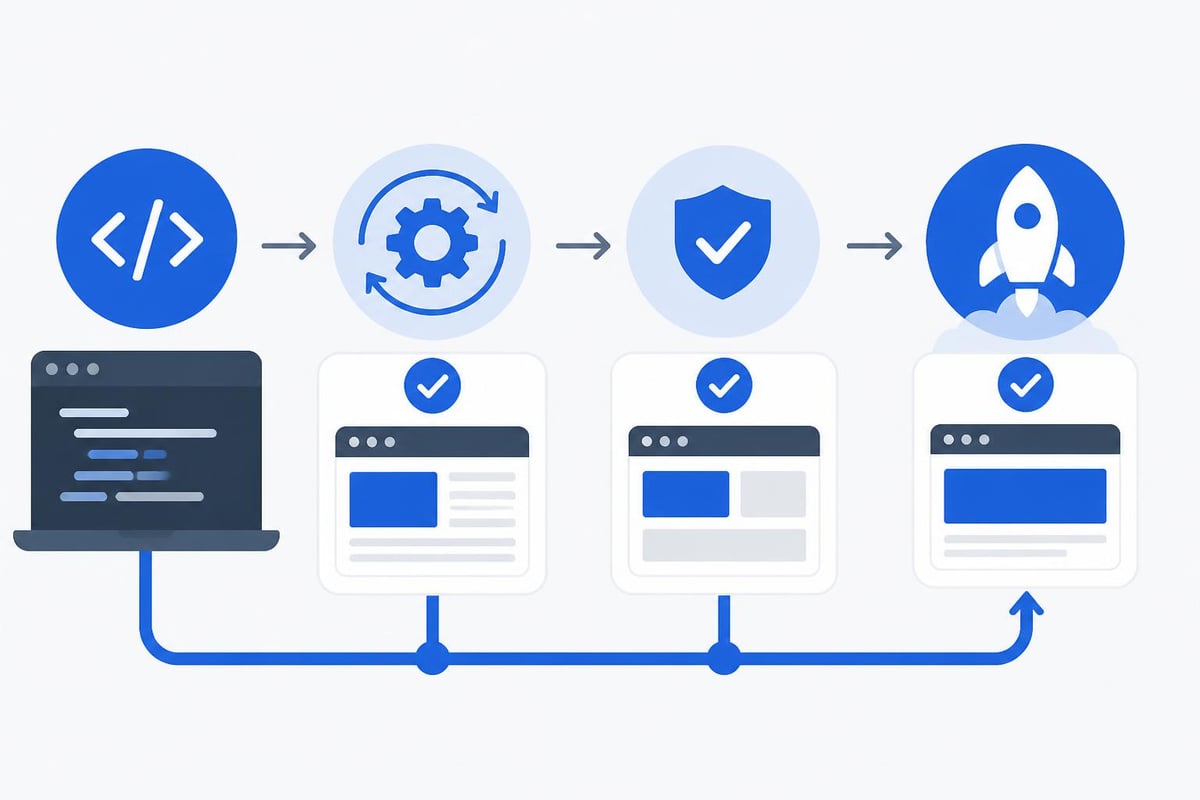
Organizations implementing AI-based design to code tools can integrate these outputs into existing CI/CD pipelines, maintaining quality standards while accelerating development cycles.
Agile Methodologies and Team Collaboration
Modern software and website development relies on collaborative approaches that bring together diverse expertise. Agile methodologies have become the standard for managing complex projects with evolving requirements.
Scrum and Sprint Planning
Scrum provides a framework for iterative development with regular feedback cycles. Two-week sprints enable teams to deliver incremental value while adapting to changing priorities.
Sprint workflow components:
- Sprint planning: Define objectives and commit to deliverables
- Daily standups: Synchronize team activities and identify blockers
- Development work: Build and test features
- Sprint review: Demonstrate completed work to stakeholders
- Retrospective: Reflect on process improvements
This iterative approach works particularly well for enterprise internal tool development, where requirements often evolve as users interact with working prototypes.
Documentation and Knowledge Sharing
Documentation often receives insufficient attention during development, creating knowledge silos and onboarding challenges. Effective software development practices emphasize documentation as a critical deliverable.
Comprehensive documentation should cover:
- Architecture decisions and rationale
- API specifications and integration guides
- Data models and relationships
- Deployment procedures and environment configuration
- User guides and training materials
Teams should maintain living documentation that evolves with the codebase rather than static documents that quickly become outdated. Wiki systems, inline code comments, and automated API documentation tools help keep documentation current.
Monitoring and Continuous Improvement
Launching software and website solutions marks the beginning of an ongoing improvement cycle rather than project completion. Production monitoring provides insights into real-world usage patterns, performance bottlenecks, and potential issues.
Performance Monitoring
Real-user monitoring reveals how applications perform under actual usage conditions across different devices, networks, and geographic locations. This data informs optimization priorities and helps teams identify issues before they impact significant user populations.
Key monitoring metrics:
- Server response times and error rates
- Database query performance
- Third-party API latency
- Client-side JavaScript execution time
- Resource utilization and scaling patterns
Modern monitoring tools provide real-time alerts when metrics exceed acceptable thresholds, enabling rapid response to emerging issues.
User Feedback and Iteration
Analytics and monitoring provide quantitative data, but qualitative user feedback reveals the "why" behind usage patterns. Establishing feedback channels and acting on user input drives continuous improvement.
Feedback mechanisms include:
- In-app feedback forms and support chat
- User interviews and usability testing
- Analytics review and behavior analysis
- A/B testing for feature variations
- Community forums and support channels
For agencies building Bubble MVPs, establishing these feedback loops early helps validate product-market fit and prioritize feature development based on real user needs.
Emerging Trends and Future Considerations
The software and website development landscape continues evolving rapidly. AI-powered development tools, low-code platforms, and automated testing frameworks are reshaping how teams approach product creation in 2026.
AI-Assisted Development
AI tools now assist with code generation, bug detection, documentation creation, and even architectural recommendations. While these tools increase productivity, they require thoughtful integration into existing workflows and quality processes.
Development teams should:
- Evaluate AI tool outputs critically rather than accepting them blindly
- Maintain human oversight for security and architectural decisions
- Use AI for repetitive tasks while focusing human expertise on complex challenges
- Establish guidelines for appropriate AI tool usage
- Train teams on effective AI prompt engineering
The rise of AI software development tools doesn't eliminate the need for experienced developers but rather amplifies what skilled teams can accomplish.
Hybrid Development Approaches
The future of software and website development likely involves hybrid approaches combining traditional coding, no-code platforms, and AI-assisted development. Organizations should build technical strategies that leverage the strengths of each approach.
This might involve using no-code platforms for rapid prototyping and internal tools while maintaining custom code for complex business logic and performance-critical components. The key is selecting the right tool for each specific challenge rather than adopting a one-size-fits-all approach.
Implementing modern software and website development best practices requires balancing speed, quality, and long-term maintainability while leveraging the right tools and methodologies for each project's unique requirements. Whether you're building enterprise applications, customer-facing websites, or internal tools, following established best practices minimizes technical debt and positions solutions for sustainable growth. Big House Technologies specializes in helping organizations navigate these decisions, leveraging no-code and AI platforms to deliver scalable software and website solutions that meet enterprise quality standards while maintaining the speed and cost-efficiency that today's competitive landscape demands.

About Big House
Big House is committed to 1) developing robust internal tools for enterprises, and 2) crafting minimum viable products (MVPs) that help startups and entrepreneurs bring their visions to life.
If you'd like to explore how we can build technology for you, get in touch. We'd be excited to discuss what you have in mind.
Other Articles
Discover the top 7 website app development company picks for 2025 Compare features pricing and trends to choose the best partner for digital success
Discover the 9 leading MVP design to development agencies in 2026 Compare features pricing and trends to find the best partner for rapid product success
Discover the 2025 software house guide—learn definitions, services, trends, and how to choose the right partner for digital transformation and project success.