
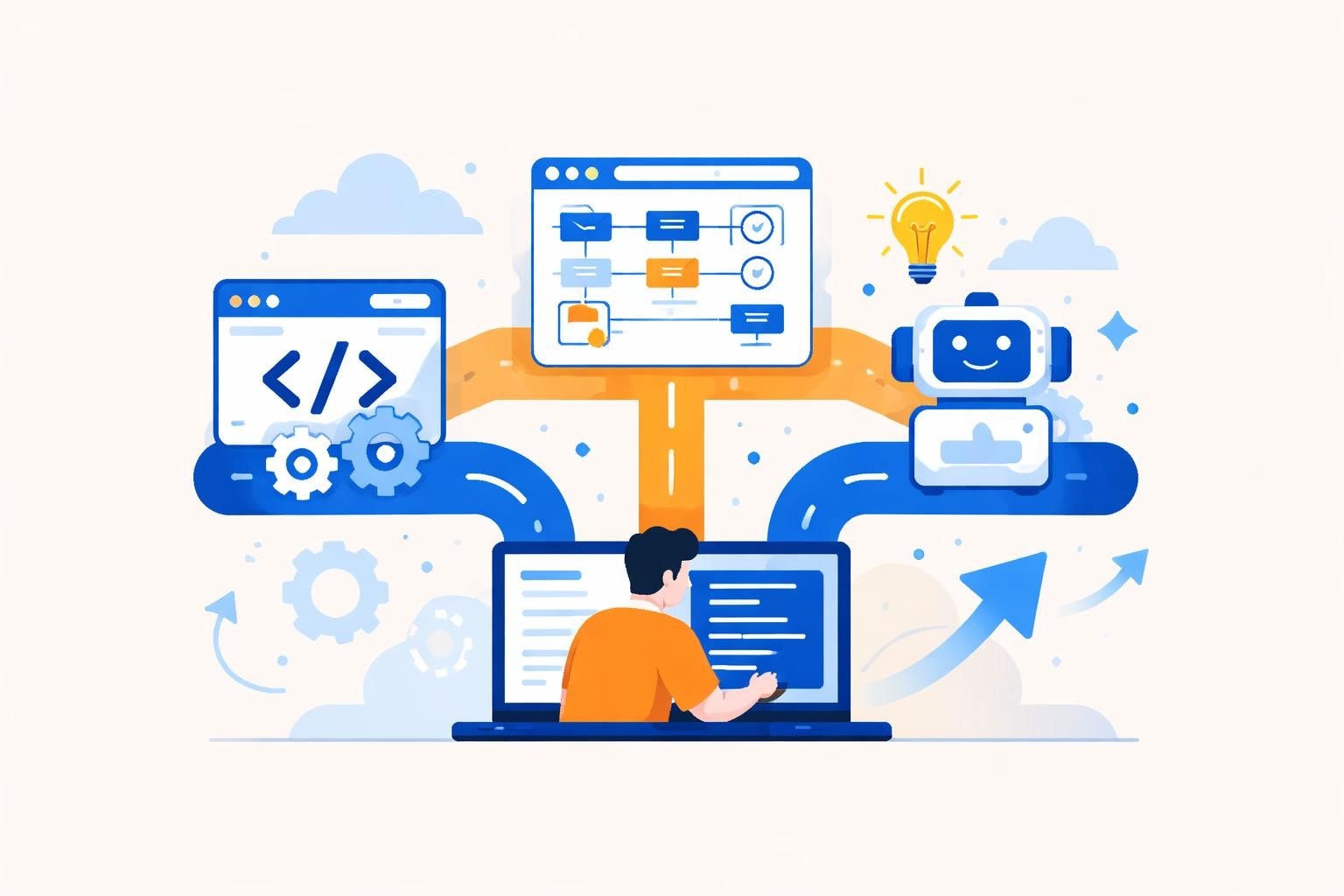
Choosing the right software dev company can make or break your digital transformation journey. In 2026, the landscape has evolved dramatically with the rise of no-code platforms and AI-powered development tools that are reshaping how businesses build software. Whether you're an enterprise looking to streamline internal workflows or a startup racing to launch an MVP, understanding the modern capabilities and methodologies that distinguish leading development agencies is essential for making an informed decision that aligns with your timeline, budget, and long-term goals.
The Modern Software Dev Company Landscape
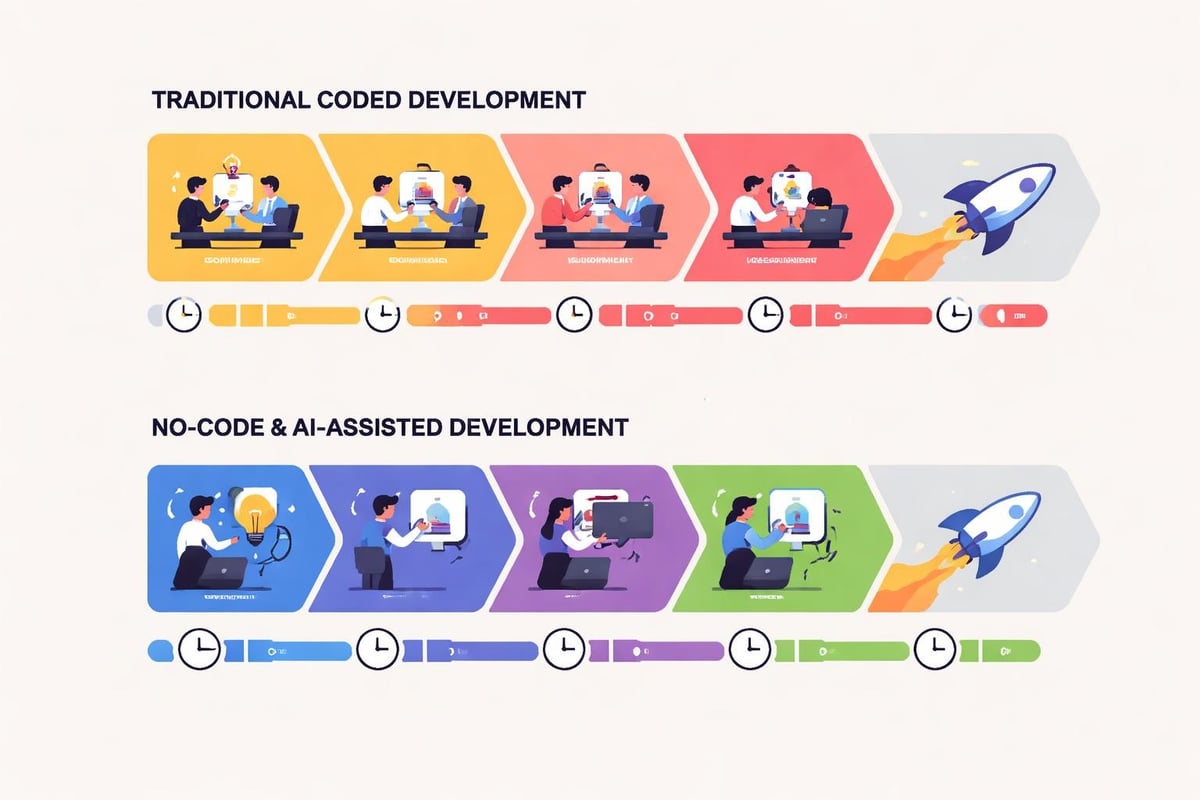
The traditional software dev company model has undergone a fundamental transformation. Where businesses once faced months-long development cycles and six-figure budgets for basic applications, AI coding tools are now the default for top engineering teams, with nearly two-thirds of code production shifting to AI generation. This shift isn't just about speed-it's about accessibility, cost-efficiency, and democratizing software creation.
No-code and AI-assisted development platforms have emerged as powerful alternatives, enabling agencies to deliver production-ready applications in weeks rather than months. These platforms eliminate much of the manual coding that traditionally consumed development resources, allowing teams to focus on business logic, user experience, and strategic problem-solving.
The implications are profound:
- Development timelines shortened from 6-12 months to 4-8 weeks for many applications
- Cost reductions of 50-70% compared to traditional custom development
- Faster iteration cycles enabling rapid testing and refinement
- Lower technical debt with platform-managed infrastructure and updates
Key Capabilities to Look For
When evaluating a software dev company, certain capabilities separate leaders from followers. A comprehensive development partner should offer end-to-end services that span the entire product lifecycle, from initial concept validation through ongoing maintenance and scaling.
| Capability | Traditional Approach | Modern No-Code/AI Approach |
|---|---|---|
| Time to MVP | 4-6 months | 3-6 weeks |
| Initial Investment | $75,000-$250,000 | $15,000-$50,000 |
| Iteration Speed | Weeks per change | Days per change |
| Technical Expertise Required | High (dedicated dev team) | Medium (platform knowledge) |
| Scalability | Custom infrastructure | Platform-managed scaling |
The right software dev company should demonstrate proficiency in modern development methodologies while maintaining the discipline necessary for production-ready applications. As highlighted in discussions about why production-ready still takes discipline, speed doesn't negate the need for quality assurance, security protocols, and maintainability standards.
No-Code and AI Development Advantages
The shift toward no-code platforms for enterprise workflows represents more than a technological trend-it's a fundamental reimagining of how software gets built. A forward-thinking software dev company leverages these platforms to deliver measurable business value faster and more affordably.
Speed Without Sacrificing Quality
Visual development interfaces allow developers to construct complex application logic through drag-and-drop components and configuration rather than writing code line by line. This doesn't mean sacrificing sophistication. Modern no-code platforms support advanced features including:
- Complex database relationships and queries
- Third-party API integrations
- Custom business logic and workflows
- Responsive design across devices
- Role-based access controls
- Real-time data synchronization
The acceleration comes from eliminating repetitive coding tasks while maintaining full control over application behavior and appearance. When a software dev company combines platform expertise with strategic design thinking, the results often exceed what's achievable through traditional development within similar timeframes.
Cost Efficiency That Scales
Budget considerations drive many software selection decisions. AI-assisted app builder platforms enable agencies to offer tiered pricing models that align with project scope and complexity, making professional software development accessible to organizations of all sizes.
Development cost reductions stem from multiple factors:
- Reduced coding hours through visual development and AI assistance
- Faster debugging and testing with platform-level error checking
- Lower infrastructure costs with managed hosting and databases
- Minimal technical debt reducing long-term maintenance expenses
- Reusable components accelerating subsequent projects
This efficiency doesn't just benefit startups and small businesses. Enterprises increasingly recognize that low-code digital transformation tools enable IT departments to tackle backlog projects that would otherwise remain deprioritized due to resource constraints.
Evaluating Development Methodologies
A professional software dev company should articulate a clear, repeatable methodology that ensures consistent results across projects. The specific framework matters less than the rigor with which it's applied and adapted to each unique situation.
Discovery and Scoping Excellence
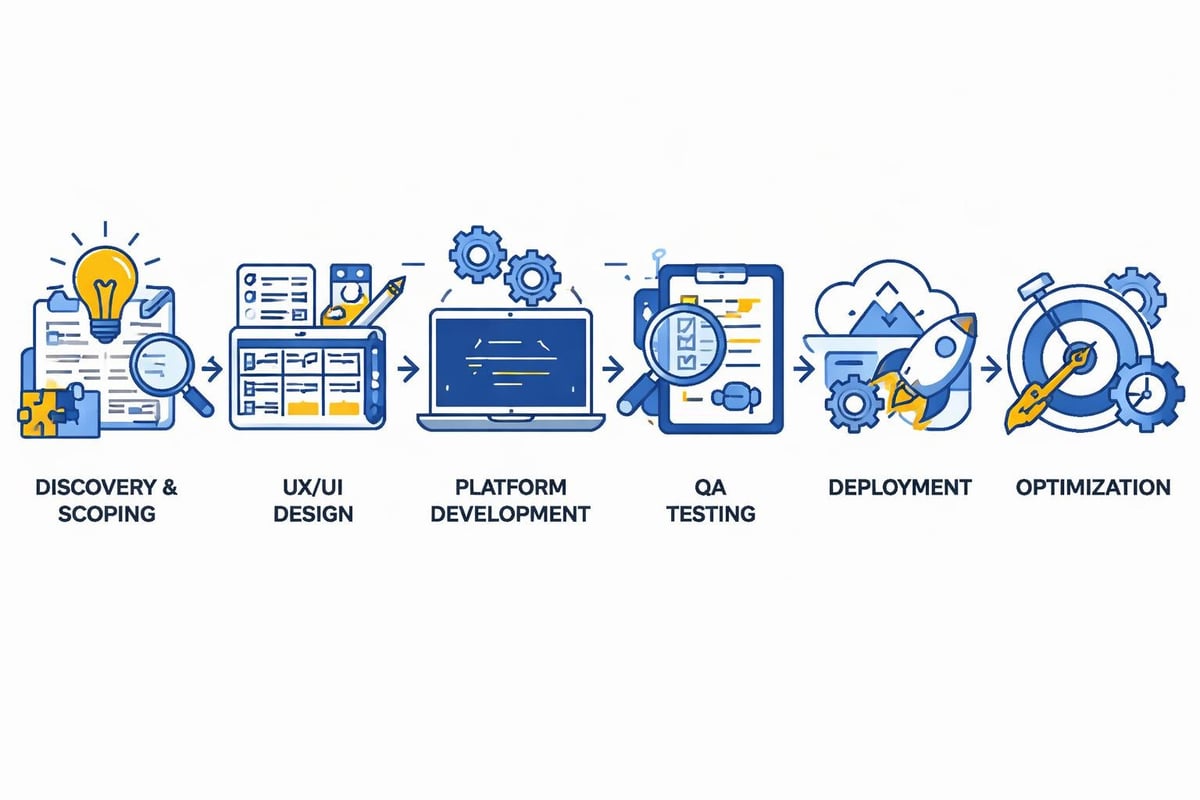
The foundation of any successful software project lies in thorough discovery. A competent software dev company invests significant effort upfront to understand business objectives, user needs, technical requirements, and success metrics. This phase should produce detailed documentation including:
- User personas and journey maps
- Feature prioritization matrices
- Technical architecture diagrams
- Timeline and milestone definitions
- Budget allocation across phases
Agencies that rush through discovery inevitably encounter scope creep, budget overruns, and misaligned expectations. The investment in proper scoping typically represents 10-15% of project costs but can prevent 50-70% of downstream issues.
Design-First Development
User experience separates functional software from beloved products. The design phase should precede development, not happen concurrently. Converting Figma designs into software has become a streamlined process with modern platforms, enabling high-fidelity prototyping before any backend development begins.
This approach offers several advantages:
- Stakeholder alignment through visual mockups before development investment
- User testing with clickable prototypes to validate assumptions
- Developer clarity with comprehensive design specifications
- Reduced rework from discovering UX issues early in the process
Platform Selection and Expertise
Not all software dev company partners offer the same platform expertise. The choice of development platform significantly impacts long-term maintenance, scalability, and feature flexibility.
Enterprise-Grade No-Code Platforms
Bubble has emerged as the leading no-code platform for complex, data-driven applications. Its visual programming interface enables the creation of sophisticated software with enterprise-level functionality including custom database structures, complex workflows, and extensive API connectivity.
Lovable (formerly GPT Engineer) represents the cutting edge of AI software development, using natural language processing to generate functional code from conversational descriptions. This approach is particularly powerful for rapid prototyping and MVP development.
A competent software dev company typically specializes in 2-3 platforms rather than claiming expertise across dozens. Depth of knowledge matters more than breadth, as platform mastery enables optimization, troubleshooting, and leveraging advanced capabilities that generalists miss.
| Platform | Best For | Typical Use Cases | Development Speed |
|---|---|---|---|
| Bubble | Complex web applications | SaaS platforms, marketplaces, internal tools | 4-8 weeks |
| Lovable | Rapid MVP development | Prototypes, simple apps, quick validation | 1-3 weeks |
| FlutterFlow | Mobile applications | iOS/Android apps, cross-platform solutions | 3-6 weeks |
| Webflow | Marketing websites | Landing pages, content sites, portfolios | 1-2 weeks |
AI Integration Capabilities
The integration of artificial intelligence into business applications has moved from experimental to essential. Research indicates that developers aren't quite ready to place their trust in AI, with nearly half expressing concerns about accuracy. This makes selecting a software dev company with proven AI implementation experience crucial.
Practical AI applications that deliver immediate business value include:
- Natural language processing for customer support automation
- Predictive analytics for business intelligence dashboards
- Computer vision for document processing and quality control
- Recommendation engines for personalized user experiences
- Automated content generation and summarization
The key is implementing AI where it genuinely solves problems rather than adding it for technological novelty. Strategic AI tool selection for code generation requires understanding both capabilities and limitations.
Testing and Quality Assurance Standards
A reliable software dev company maintains rigorous quality assurance protocols regardless of development approach. The perception that no-code or AI-generated applications require less testing is dangerously flawed.
Comprehensive Testing Frameworks
Quality assurance should encompass multiple testing dimensions:
- Functional testing verifying all features work as specified
- User acceptance testing confirming the solution meets business needs
- Performance testing ensuring speed and responsiveness under load
- Security testing identifying vulnerabilities and compliance gaps
- Cross-platform testing validating behavior across browsers and devices
- Integration testing confirming third-party service connections
The investment in thorough testing typically adds 15-20% to development timelines but dramatically reduces post-launch issues and support costs. A professional agency builds testing into every sprint rather than treating it as a final pre-launch phase.
Security and Compliance Considerations
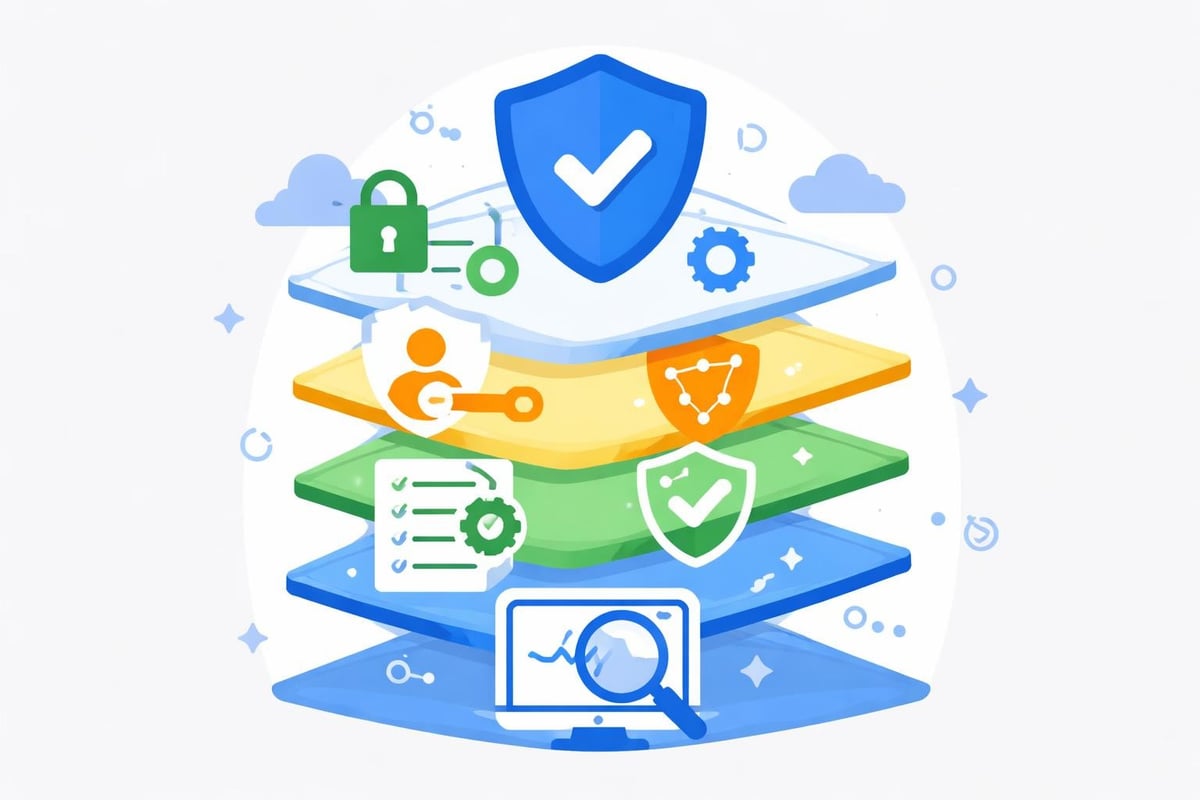
Data security and regulatory compliance can't be afterthoughts. Depending on your industry and geography, your software may need to comply with GDPR, HIPAA, SOC 2, or other frameworks. AI is forcing an invisible shift in risk management, requiring adaptive governance and embedded risk expertise.
A qualified software dev company should ask about compliance requirements during discovery and architect solutions accordingly. This includes implementing appropriate encryption, access controls, audit logging, and data handling procedures from the foundation rather than retrofitting security later.
Deployment and Ongoing Support
The relationship with your software dev company shouldn't end at launch. Production deployment requires careful planning, and ongoing optimization ensures your application continues delivering value as your business evolves.
Strategic Deployment Planning
Successful launches require coordination across multiple workstreams:
- Infrastructure setup and configuration
- Domain and SSL certificate management
- Database migration and optimization
- Monitoring and analytics implementation
- User onboarding and training materials
- Support documentation and knowledge bases
Many projects stumble at deployment despite flawless development because agencies underestimate the operational complexity of going live. The transition from development to production environment involves numerous technical and organizational considerations that demand dedicated attention.
Maintenance and Enhancement Models
Software is never truly "finished." User feedback, changing business requirements, technology updates, and scaling needs necessitate ongoing development. A trustworthy software dev company offers transparent maintenance and support options including:
- Bug fixes and patches addressing issues discovered post-launch
- Platform updates ensuring compatibility with evolving infrastructure
- Feature enhancements adding capabilities based on user feedback
- Performance optimization improving speed and efficiency as usage grows
- Training and documentation keeping teams aligned as the application evolves
These services can be structured as retainer agreements, hourly support, or project-based engagements depending on your needs and budget predictability preferences.
Industry Trends Shaping Development
Understanding where the software development industry is headed helps in selecting a partner positioned for long-term success. Several converging trends are reshaping how applications get built and maintained.
The Rise of Vibe Coding
Vibe coding represents a new paradigm where developers describe desired functionality conversationally and AI generates implementation code. This approach is particularly powerful for routine functionality, enabling developers to focus creative energy on unique business logic and user experience challenges.
Predictions for AI in software development by 2026 suggest that AI-assisted continuous quality control will become standard practice, automatically identifying bugs, security vulnerabilities, and performance bottlenecks during development rather than through manual code reviews.
Team Structure Evolution
The composition of development teams is changing dramatically. Deloitte predicts that by 2030, 80% of organizations will evolve large software engineering teams into smaller, AI-augmented teams. This shift enables a software dev company to deliver more with fewer resources while maintaining or improving quality.
The implications for businesses include:
- Lower project costs as team size requirements decrease
- Faster delivery with AI handling routine development tasks
- Higher quality through automated testing and optimization
- Better documentation automatically generated from code
Platform Ecosystem Maturation
No-code and low-code platforms continue adding enterprise-grade capabilities that were once exclusive to custom development. The gap between what's possible with platforms versus traditional coding narrows each year, making the choice increasingly about speed and cost rather than capability limitations.
Modern platforms now support advanced features such as:
- Custom code injection for unique requirements
- Sophisticated API design and management
- Advanced database optimization and indexing
- Multi-tenant architecture for SaaS applications
- Real-time collaboration and data synchronization
- Compliance and security frameworks
Pricing Models and Budget Considerations
Understanding how software dev company pricing works helps in budget planning and vendor comparison. Pricing structures vary significantly based on project scope, timeline, and platform choice.
Common Pricing Approaches
| Pricing Model | Structure | Best For | Typical Range |
|---|---|---|---|
| Fixed Price | Total project cost agreed upfront | Well-defined scope, clear requirements | $15,000-$100,000+ |
| Time & Materials | Hourly rate × hours worked | Evolving requirements, exploratory projects | $100-$200/hour |
| Retainer | Monthly fee for ongoing access | Long-term partnerships, continuous development | $5,000-$25,000/month |
| Value-Based | Pricing tied to business outcomes | Strategic partnerships, revenue-share models | Varies widely |
Fixed-price projects work well when requirements are thoroughly documented and unlikely to change. They provide budget certainty but require comprehensive upfront scoping. Changes mid-project typically trigger change orders that increase costs.
Time and materials pricing offers flexibility for projects where requirements will evolve based on user feedback or market learning. This model requires trust and clear communication to prevent budget overruns.
Hidden Costs to Consider
Beyond development fees, several additional costs impact total ownership:
- Platform subscription fees ranging from $25-$500+ monthly depending on usage
- Third-party service costs for APIs, storage, or specialized functionality
- Hosting and infrastructure typically $50-$500 monthly based on traffic
- Ongoing maintenance and support often 15-20% of initial development cost annually
- Training and change management for team adoption
A transparent software dev company provides comprehensive cost projections including these operational expenses rather than focusing solely on development fees.
Selection Criteria and Vendor Evaluation
Choosing among competing software dev company options requires systematic evaluation across multiple dimensions. Price shouldn't be the sole deciding factor, as the cheapest option often proves most expensive when projects run over budget or fail to deliver expected functionality.
Portfolio and Case Study Assessment
Review completed projects similar to your intended application. Look for:
- Complexity comparable to your requirements
- Industries matching your domain
- Scale appropriate to your user base
- Design quality meeting your standards
- Technical sophistication addressing your needs
Generic portfolio pieces with minimal context offer limited insight. Detailed case studies explaining challenges, solutions, and outcomes provide much better evaluation material. Don't hesitate to request client references and conduct independent conversations about their experiences.
Technical Competency Verification
During discovery conversations, a competent software dev company should:
- Ask detailed questions about your business model and user workflows
- Identify potential technical challenges and propose solutions
- Recommend specific platforms based on your requirements
- Provide realistic timeline and budget estimates with clear assumptions
- Discuss security, compliance, and scalability considerations
Red flags include agencies that promise everything is easy, provide estimates without detailed scoping, or claim expertise across too many platforms and technologies. Depth of knowledge in specific areas almost always produces better outcomes than surface-level familiarity with many tools.
Communication and Project Management
Development projects succeed or fail based on communication quality. Evaluate how potential partners handle:
- Response times to questions and concerns
- Status reporting frequency and transparency
- Stakeholder involvement in key decisions
- Change management processes when requirements shift
- Conflict resolution when disagreements arise
The best software dev company treats clients as partners, educating them about trade-offs and possibilities rather than simply taking orders. Collaborative relationships produce superior outcomes compared to vendor-client dynamics.
Building Long-Term Partnerships
The most successful client-agency relationships extend beyond individual projects into ongoing strategic partnerships. Rather than repeatedly searching for developers for each new initiative, establishing a relationship with a trusted software dev company creates continuity, institutional knowledge, and efficiency gains.
Benefits of Continuity
Working with the same development partner over time delivers compounding advantages:
- Reduced onboarding time for new projects
- Accumulated knowledge of your business domain
- Established communication patterns and workflows
- Pre-existing technical architecture and code reuse
- Strategic roadmap planning aligned with business goals
These benefits accelerate each successive project while reducing costs and risks. The agency becomes an extension of your team rather than an external vendor.
Evolving Needs and Scalability
As your business grows, software requirements inevitably change. Enterprise automation consulting becomes valuable when manual processes that worked at small scale become bottlenecks at larger volumes.
A capable software dev company anticipates scaling challenges and architects solutions with growth in mind. This includes database design that supports larger datasets, infrastructure that handles increased traffic, and workflows that accommodate higher transaction volumes without requiring complete rebuilds.
Selecting the right software dev company in 2026 means looking beyond traditional development approaches to agencies that leverage no-code platforms and AI-assisted development for faster, more cost-effective delivery. The key is finding a partner with deep platform expertise, comprehensive methodologies, and a collaborative approach that treats your success as their own. Big House Technologies specializes in transforming enterprise and startup ideas into fully functional products using Bubble and Lovable platforms, delivering scalable solutions with the speed and cost-efficiency that modern businesses demand.

About Big House
Big House is committed to 1) developing robust internal tools for enterprises, and 2) crafting minimum viable products (MVPs) that help startups and entrepreneurs bring their visions to life.
If you'd like to explore how we can build technology for you, get in touch. We'd be excited to discuss what you have in mind.
Other Articles
Discover 7 smart ways to hire mobile app developer in 2025 with proven strategies for sourcing vetting and future proof contracts to ensure project success
Master the app runwayml in 2025 with this step by step expert guide covering features setup creative workflows pricing tips and troubleshooting for creators.
Master testing software testing with proven strategies for no-code platforms. Learn how to validate your testing processes for enterprise-grade quality.